Fire Protection Technology is having a big moment in Australia in 2025, and it’s not just because buildings are getting “smarter”. Property managers, strata teams, builders, and facility managers are under growing pressure to prove systems are working, keep tenants safe, and stay compliant with fire safety requirements in the National Construction Code (NCC) and relevant standards.
The good news is that today’s upgrades aren’t only about adding more devices. The best changes are about better information, faster response, and clearer evidence that your building is being maintained properly.
Below are the major trends you’ll see across commercial, industrial and strata buildings, plus what they mean in plain language.
1) Connected Detection That Talks To The Whole Building
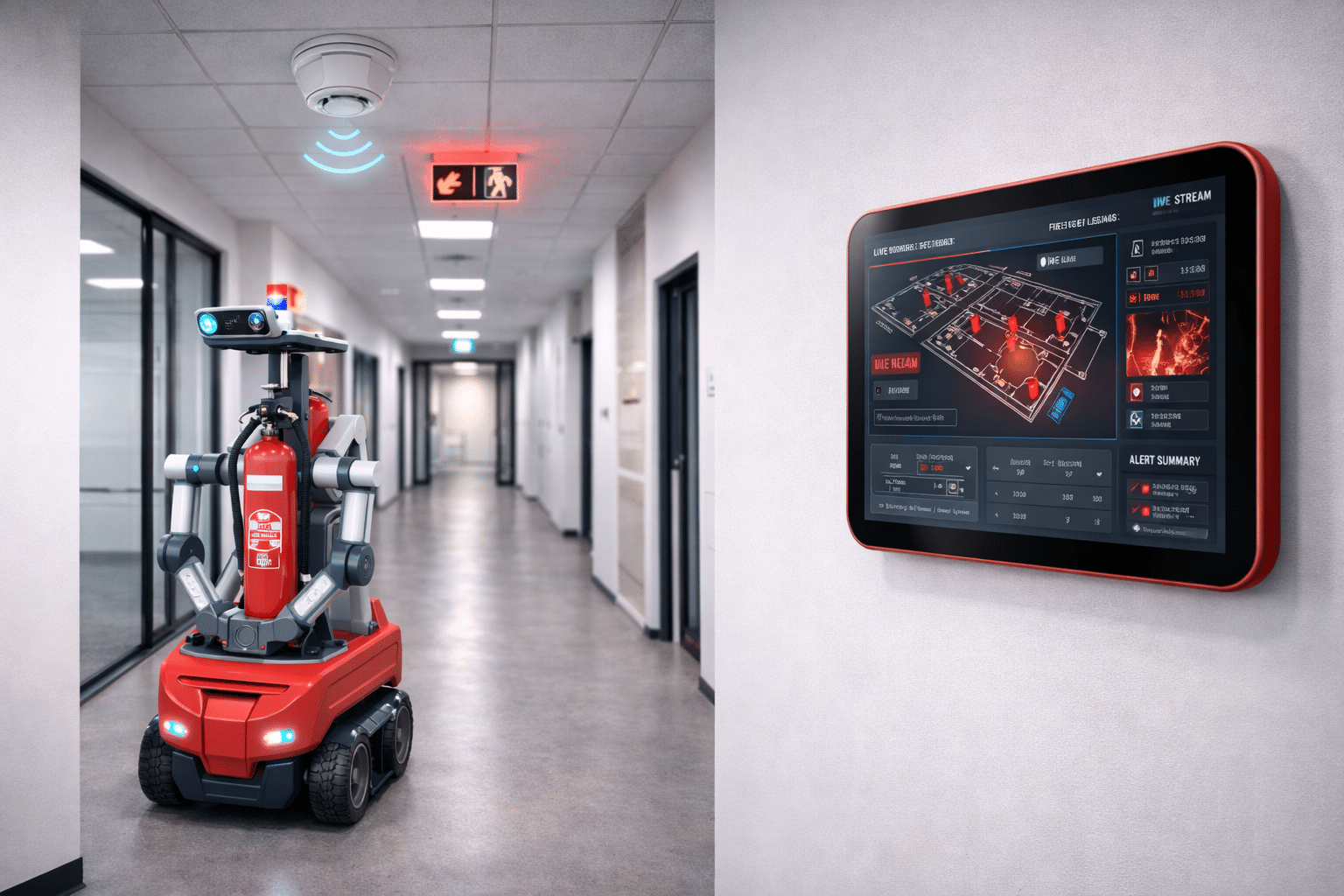
Modern detectors and panels are becoming more connected, which means they can share information with other building systems instead of operating in their own little bubble. This is one of the most practical shifts in Fire Protection Technology because it helps you move from “alarm goes off” to “here’s what’s happening and where”.
Examples you’ll see more of in 2025:
- Detectors that provide richer data (like smoke type, temperature change rate, and location accuracy)
- Systems that integrate with building management systems (BMS) to trigger ventilation changes, door releases, or smoke control sequences where designed
- Remote monitoring that alerts the right people faster, especially after hours
The aim is simple: quicker decisions, less confusion, and a clearer view of what’s going on.
2) Smarter Early Warning With AI-Assisted Detection
AI is creeping into fire detection in a very practical way: reducing false alarms and spotting patterns humans might miss. Think of it like a helpful second set of eyes, not a robot taking over the building.
In Fire Protection Technology, AI-assisted detection can help with:
- Distinguishing between nuisance triggers (like cooking fumes) and real smoke signatures
- Identifying unusual patterns in sensor data across a site
- Supporting faster verification, so response is appropriate and timely
This matters because false alarms don’t just waste time. They can lead to complacency, tenant frustration, and interruptions to operations. Better accuracy helps everyone take alarms seriously.
3) Predictive Maintenance Instead Of “Find Out When It Fails”
Predictive maintenance is a fancy term for a simple idea: notice small problems early, before they become big ones.
This is becoming a key feature of Fire Protection Technology in larger sites, where you might have hundreds of devices, doors, and fire safety measures to keep in working order. Instead of waiting for a failure during an inspection, connected systems can flag issues like:
- Low batteries or device faults
- Communication dropouts on specific loops or zones
- Patterns suggesting a component is wearing out
Predictive maintenance doesn’t replace required servicing. It helps you plan repairs earlier, reduce downtime, and avoid the nasty surprise of discovering a critical issue right when you need the system most.
4) Digital Compliance Records That Are Easier To Prove
In 2025, “we maintain it” is not enough. You need to show it, clearly, with records that stand up to scrutiny.
That’s why digital reporting is one of the fastest-growing Fire Protection Technology trends. Instead of scattered PDFs, paper logs, and email chains, more buildings are moving to:
- Digital inspection checklists
- Photo evidence of defects and rectifications
- Centralised asset registers for fire safety items
- Easy exportable reports for audits and annual compliance workflows
If you manage multiple properties, this is a sanity-saver. It reduces admin time and makes it easier to demonstrate that routine service requirements are being met.
5) Better Integration With Evacuation, Messaging And Wayfinding
A fire alarm is only half the story. People also need clear instructions.
This is where newer Fire Protection Technology is improving evacuation outcomes, especially in complex buildings like shopping centres, large residential blocks, and industrial sites. Trends include:
- Smarter occupant warning systems (targeted messaging by zone)
- Visual alerting improvements for noisy environments
- Integration with emergency procedures and warden communications
The goal is safer, calmer movement, with less confusion during an emergency.
6) Cyber Security Is Now Part Of Fire Safety Conversations
Once systems are connected, you also need to think about who else could connect to them.
This is an emerging risk area for Fire Protection Technology, especially where remote monitoring, cloud dashboards, or network-connected panels are involved. The practical takeaways:
- Treat fire systems as critical infrastructure
- Use strong access control and change default passwords
- Separate networks where appropriate and follow IT security advice
- Make sure updates and firmware are managed properly
No need to panic, just don’t ignore it.
7) Fire Doors And Hardware Are Getting More “Inspectable”
Not every technology trend is electronic. Some improvements are about making passive fire protection easier to maintain and verify.
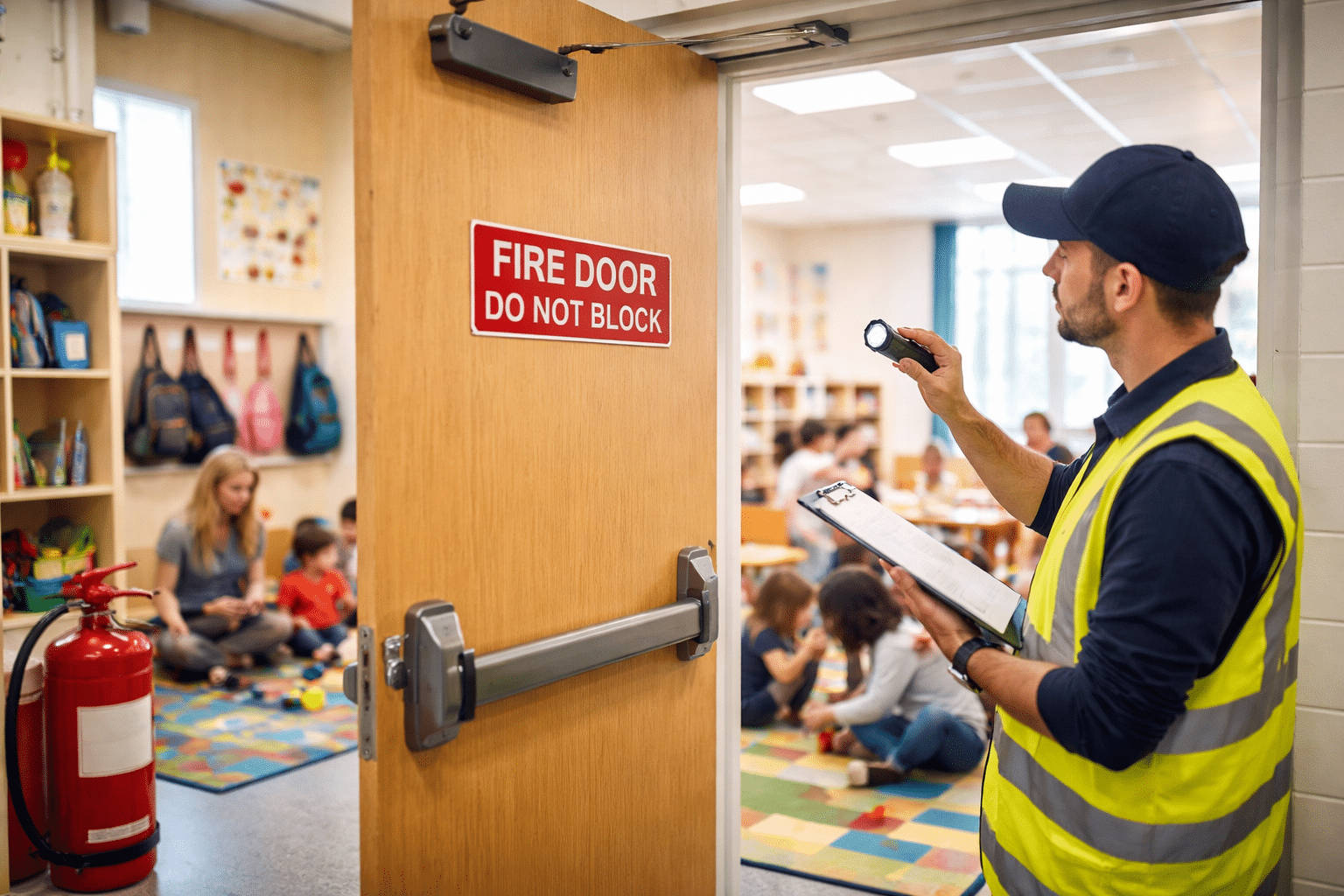
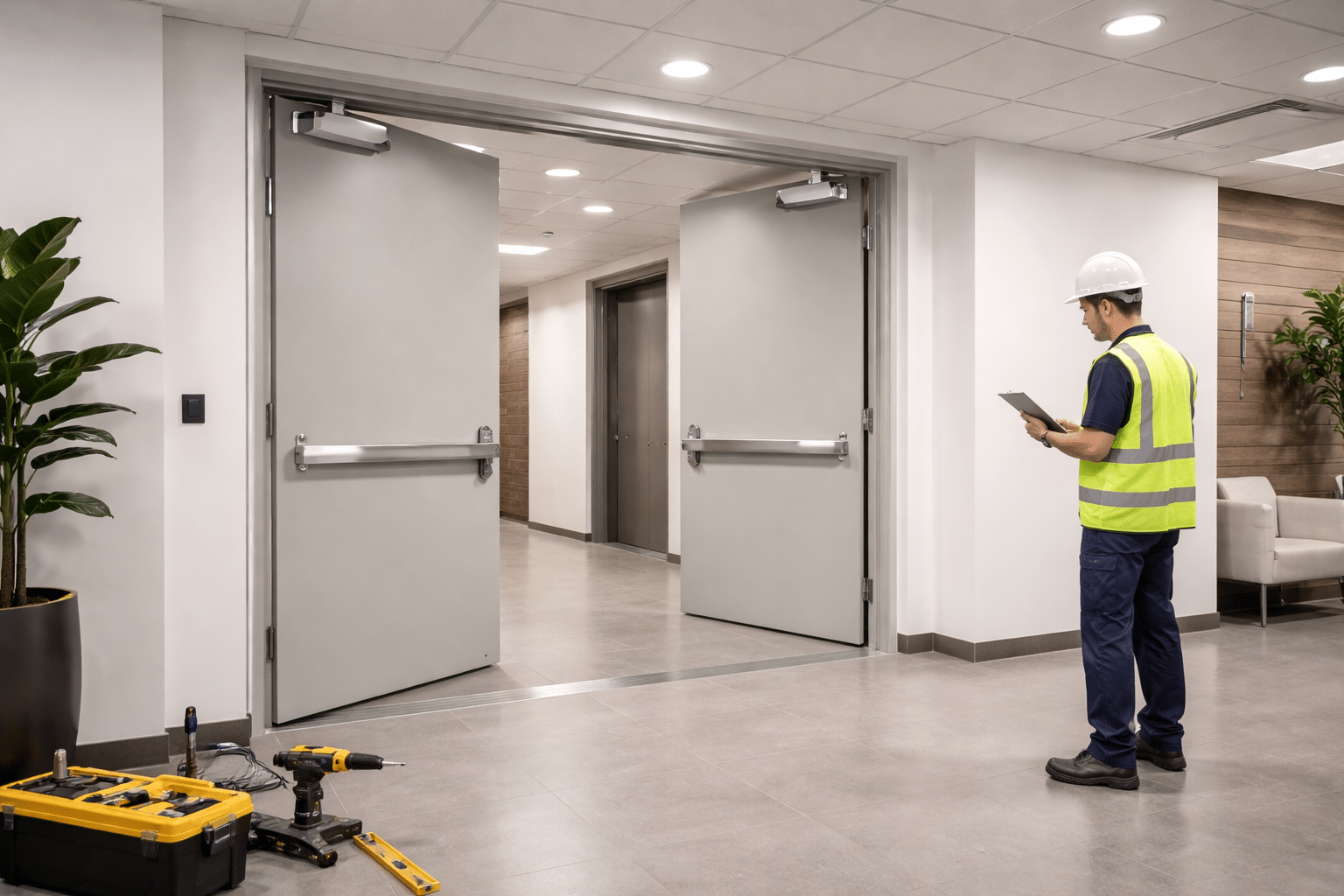
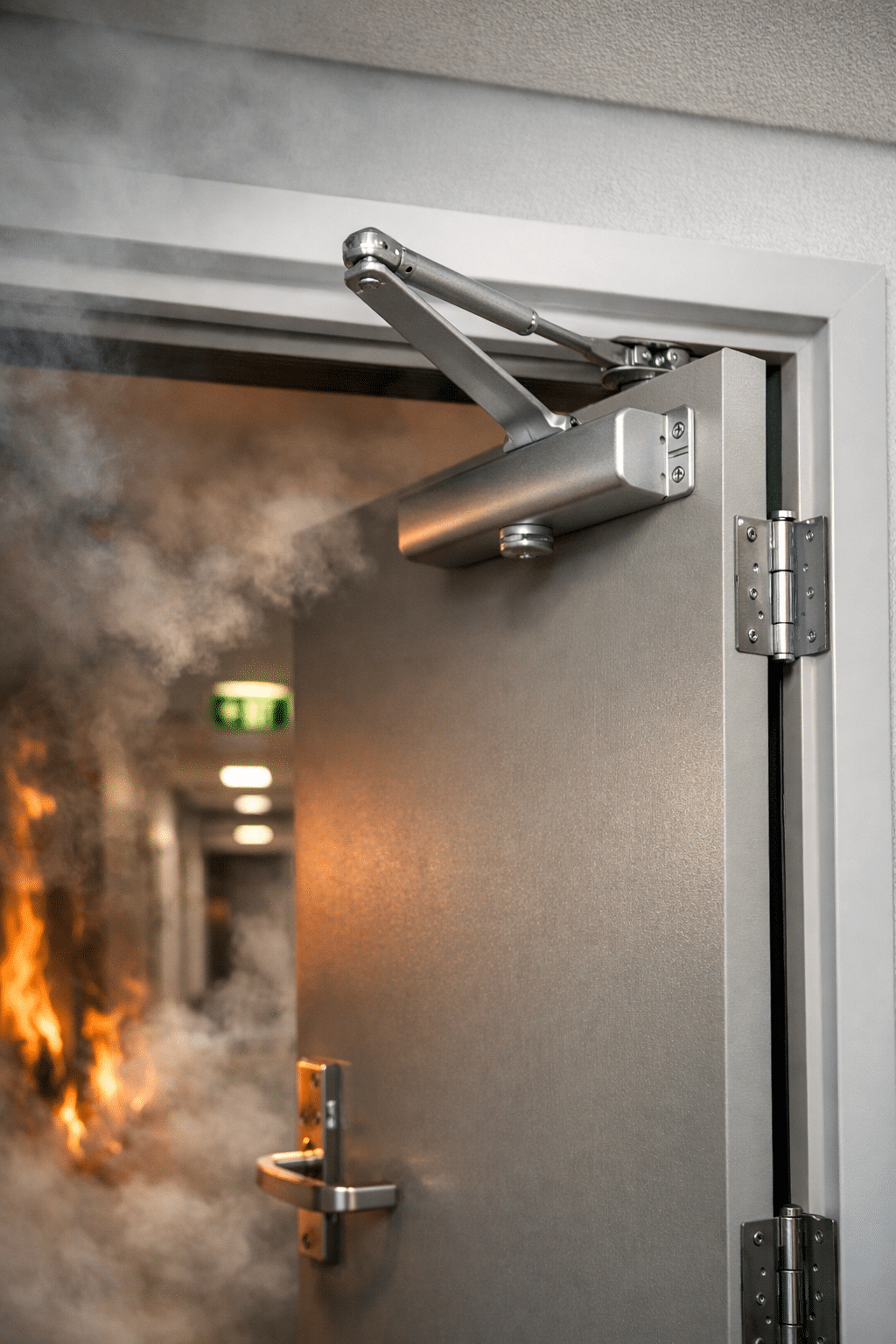
Fire doors are a cornerstone of compartmentation, which helps slow smoke and fire spread. In 2025, we’re seeing more attention on:
- Better-quality door hardware performance over time (closers, latches, seals)
- Clearer labelling and certification traceability
- Inspection processes that capture consistent evidence of condition and function
This is where Fire Protection Technology meets real-world building wear and tear. A door can be certified on day one, but it still needs to be maintained so it performs when it matters.
8) More Focus On Routine Service Requirements And Standard Alignment
Technology doesn’t remove your obligations. If anything, it shines a brighter light on them.
Routine servicing requirements like those set out in AS 1851 (routine service of fire protection systems and equipment) remain central to compliance. In NSW, building compliance expectations are also pushing many owners to review how they manage inspections and records.
The trend is clear: better systems, better documentation, and fewer “we’ll sort it later” gaps.
9) Retrofit-Friendly Upgrades For Existing Buildings
New builds often get the best gear. But most property managers live in the world of existing buildings, budgets, tenants, and limited shutdown windows.
That’s why retrofit options are a huge part of Fire Protection Technology in 2025:
- Wireless add-ons where cabling is difficult (used carefully and appropriately)
- Modular panel upgrades instead of full replacement
- Targeted improvements to the highest-risk areas first
A sensible upgrade path is usually staged, prioritised, and based on risk and compliance needs, not shiny features.
10) What To Look For When Choosing Tech And Providers
Before you invest in new Fire Protection Technology, keep it grounded with a quick checklist:
- Compliance first: Make sure it suits your building type and fire safety design, and aligns with NCC requirements.
- Maintainability: Can it be serviced easily, and will parts still be available?
- Reporting: Will you get clear, exportable evidence for audits and statements?
- Integration: Does it play nicely with your existing systems without creating new headaches?
- Competent practitioners: Use qualified, experienced providers and ask how they manage certification and documentation.
Where CFS Fits In
If you’re reviewing upgrades or trying to tighten compliance across your properties, Comprehensive Fire Services (CFS) can help by keeping the passive side of fire protection strong, especially fire doors, frames, and compliant hardware. That includes inspections, maintenance, repairs, and clear reporting to support your compliance processes, particularly in strata and commercial buildings.
Call 0418 749 488 to book an inspection or talk through what your building needs.