Modify fire door behaviour at your own risk. That is the message strata managers and owners corporations across Australia need to deliver clearly and consistently to all residents. When individuals living in strata buildings decide to alter, prop open, remove hardware from, or otherwise tamper with fire doors, the consequences extend far beyond a minor infringement. The entire fire safety system within a building depends on each fire door performing exactly as designed, and even a small unauthorised change can have catastrophic results during an actual emergency.
Understanding what counts as a modification
Many residents who attempt to modify fire door hardware or operation do so without understanding that what they are doing is a modification at all. Some believe they are simply making a practical adjustment, such as fitting a door stopper to keep a heavy door open, replacing a worn handle with one purchased from a hardware store, or adding a latch to improve privacy. In reality, any alteration to a fire door that was not carried out or approved by a suitably qualified fire door inspector constitutes an unauthorised modification under Australian fire safety standards.
Residents who modify fire door components without authorisation may not realise that fire doors are certified assemblies. Every element, including the door leaf, frame, hinges, closers, seals, and hardware, is tested and approved as a complete unit. Swapping out one component for an uncertified alternative can void the fire door’s certification and render the entire assembly non-compliant, even if the change appears cosmetically identical.
Common ways residents alter fire doors
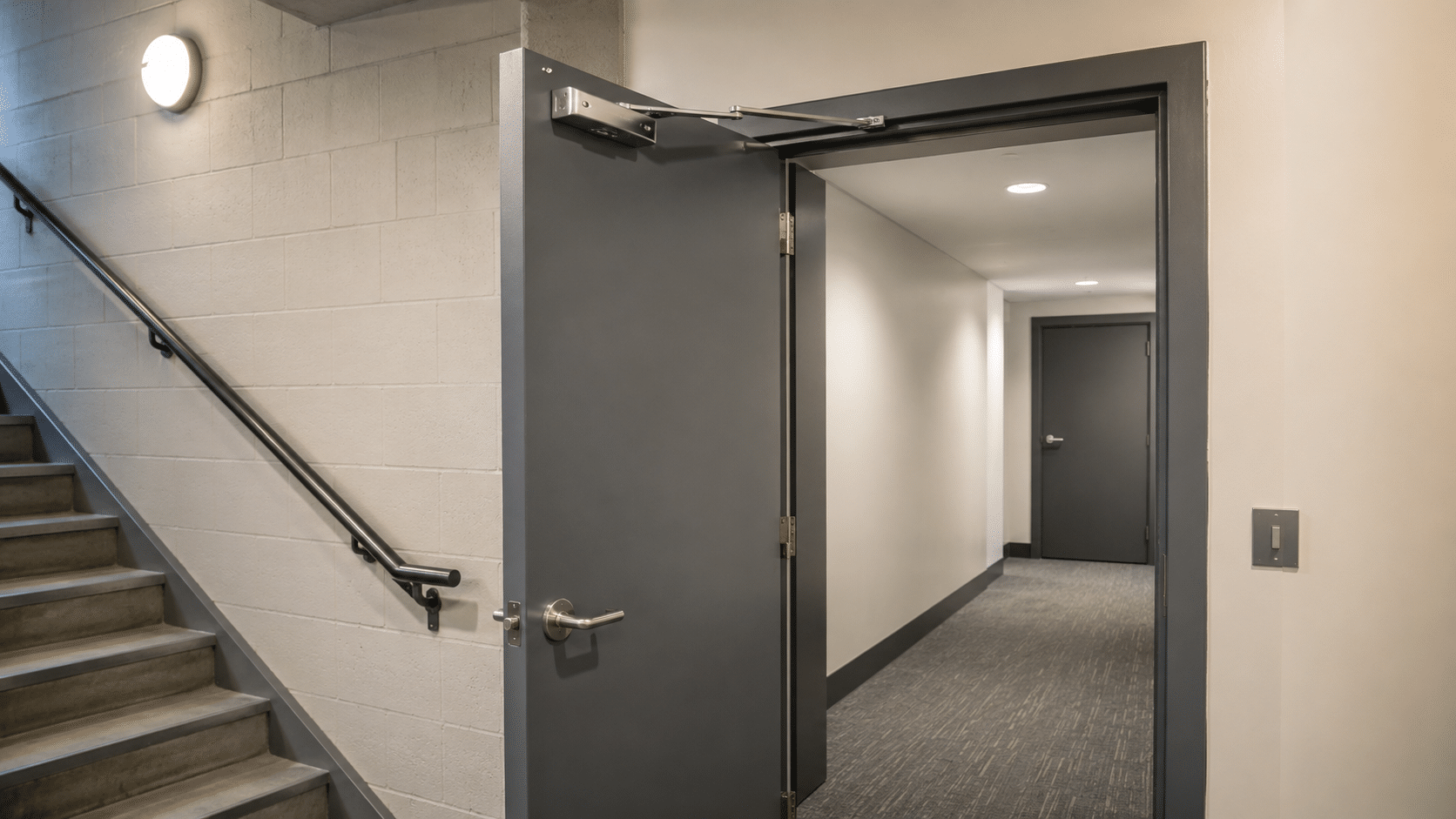
The decision to modify fire door operation is often driven by convenience. The most widespread form of tampering involves propping fire doors open with wedges, furniture, or purpose-made door stops. Residents living on stairwell floors or near common area exits frequently prop doors open to improve ventilation, make it easier to carry groceries, or simply because the self-closing mechanism feels inconvenient. While this may seem harmless, a propped fire door provides no barrier against smoke or fire whatsoever.
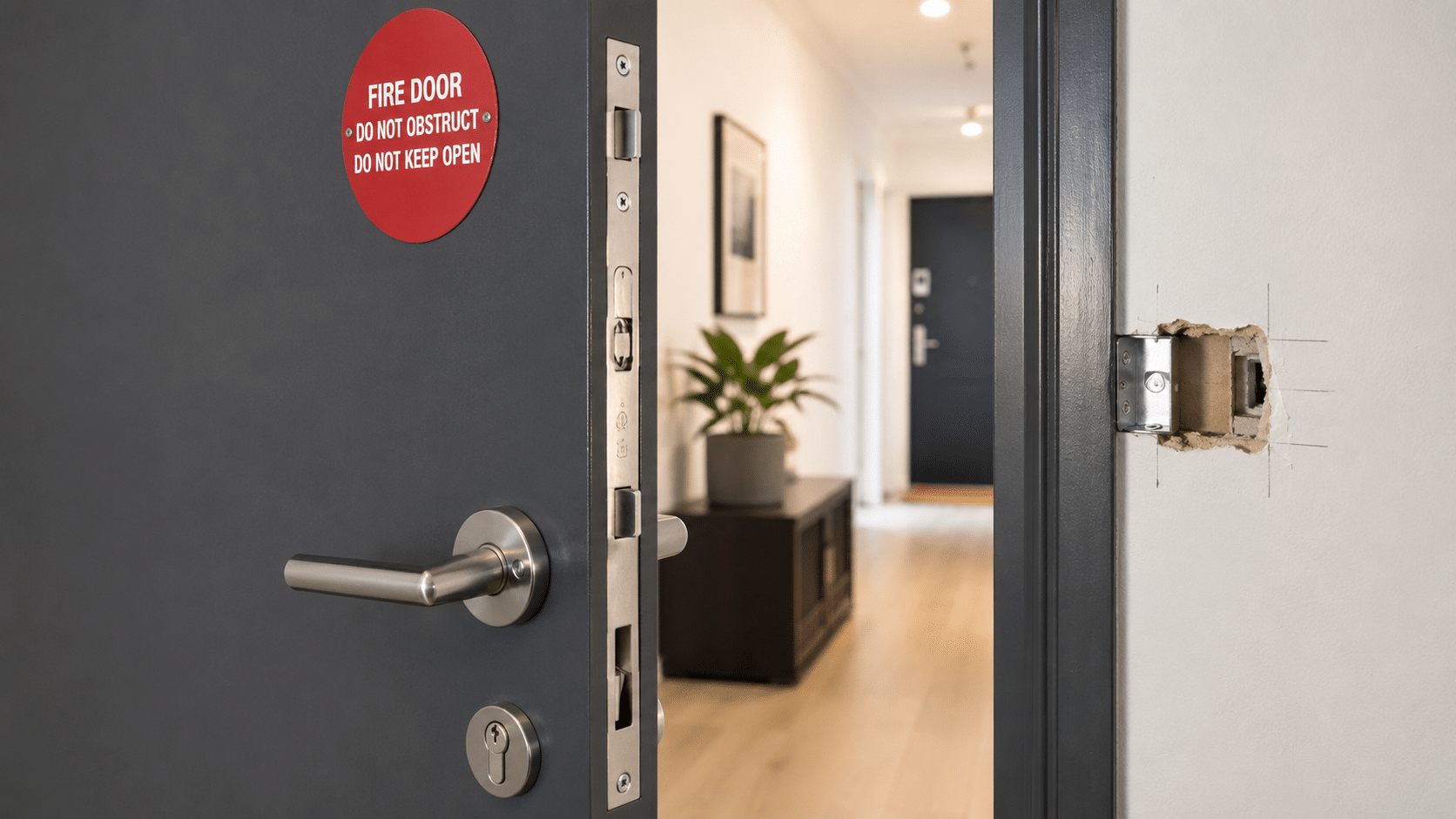
Other residents modify fire door hardware by removing or disabling the door closer, replacing certified locks with standard domestic hardware, cutting into the door leaf to install a pet flap or mail slot, painting over intumescent seals, or attaching additional locks that prevent the door from closing fully. Each of these actions interferes with the door’s ability to perform its fire-rated function and must be treated as a serious compliance breach by building management.
Legal consequences for residents
When a resident chooses to modify fire door components or operation without authorisation, they expose themselves to significant legal liability. Under the Environmental Planning and Assessment Act 1979 and related building legislation in New South Wales, as well as equivalent provisions in other Australian states and territories, tampering with essential fire safety measures is a serious offence. Penalties can include substantial fines, and in cases where a modification contributed to injury or death during a fire, criminal liability may also arise.
Strata by-laws in most buildings expressly prohibit any resident from modify fire door assemblies or common property without written approval from the owners corporation. Breaches of these by-laws can result in formal notices, tribunal proceedings, and orders requiring the resident to restore the door to its original compliant condition at their own cost. Residents should be made aware of these obligations through clear communication at the time they move into the building and through regular reminders distributed by strata management.
Obligations for owners corporations
Discovering that a resident has taken steps to modify fire door components triggers specific obligations for the owners corporation. Under fire safety legislation, the owners corporation is responsible for ensuring that all essential fire safety measures on common property are maintained in an operational condition. If a fire door has been tampered with and the owners corporation is aware of the situation but fails to act, it may share liability for the consequences of that non-compliance.
The recommended response when a resident is found to modify fire door hardware or operation is to issue a formal written notice requiring the resident to cease the behaviour and facilitate immediate inspection and remediation by a qualified fire door technician. The cost of restoring the door to a compliant condition can generally be charged back to the lot owner responsible for the breach, depending on the terms of the applicable by-laws and the relevant state legislation.
Safety risks that cannot be ignored
The safety case against allowing any resident to modify fire door assemblies is overwhelming. Fire doors are designed to hold back flames and smoke for a minimum period, typically 30 to 60 minutes, giving residents time to evacuate and emergency services time to respond. A single compromised door in a stairwell or corridor can cause a building’s entire evacuation route to become impassable within minutes of a fire breaking out. Strata managers who understand the risks will never permit a resident to modify fire door components under any circumstances without formal approval and qualified oversight.
When residents modify fire door seals by painting over them or physically removing them, the door loses its ability to prevent the infiltration of toxic smoke, which is responsible for the majority of fire fatalities. The risk is not theoretical. Investigations into residential fire incidents frequently reveal that unauthorised modifications to fire doors played a role in allowing fire or smoke to spread beyond the area of origin.
How to prevent unauthorised modifications
Prevention is far more effective than responding after a resident has already acted to modify fire door hardware or operation. Strata managers should implement a proactive education strategy that communicates to all residents, at the time of their arrival and on an ongoing basis, exactly what they are and are not permitted to do with fire doors. This communication should be direct, plain-language, and specific, avoiding technical jargon that may not resonate with a general audience.
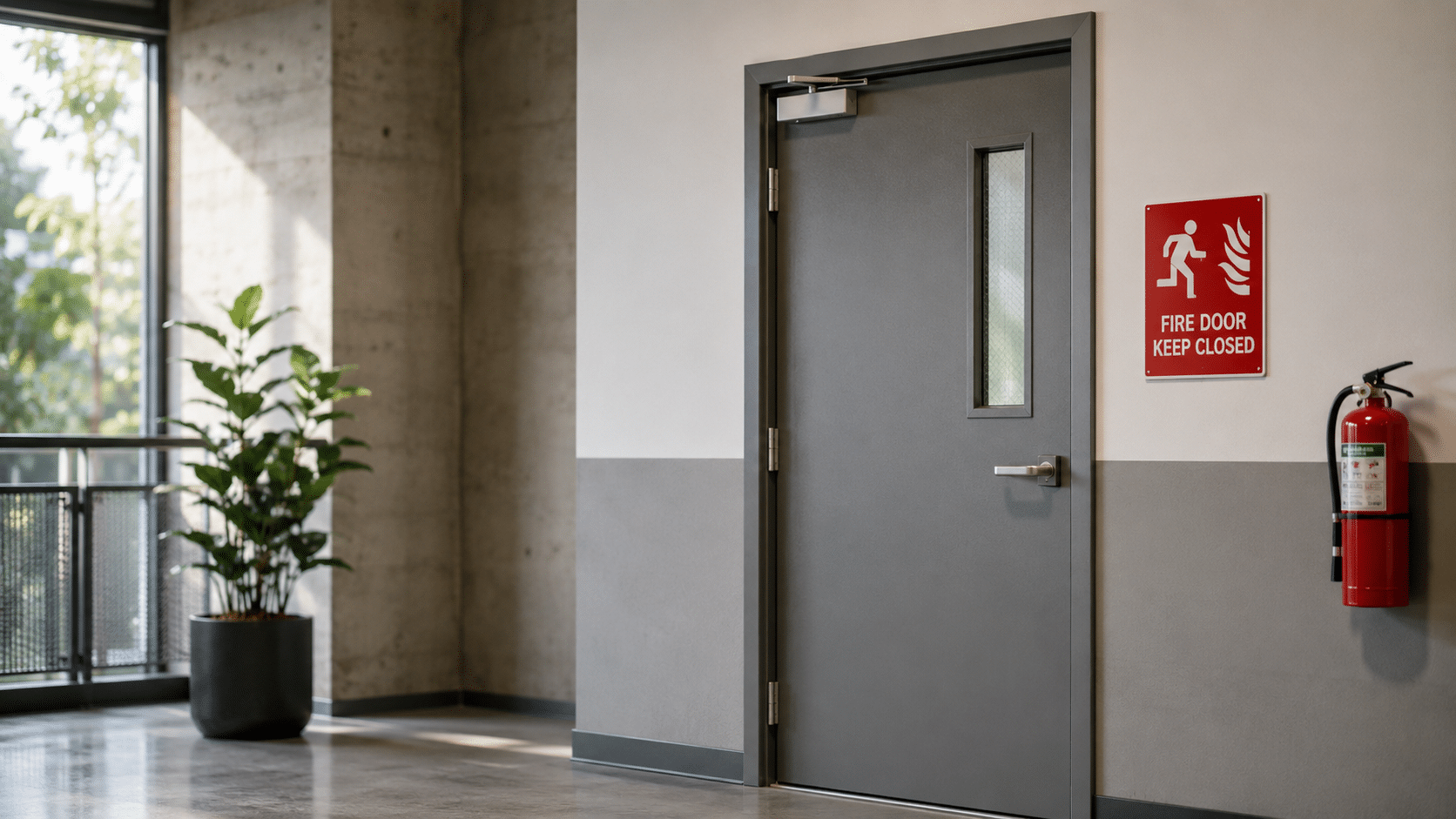
Clear signage installed on or near each fire door can serve as a constant reminder that residents must not modify fire door assemblies or interfere with their operation. Signs should reference the legal consequences of tampering and provide contact
How CFS can help
Modify fire door concerns are much easier to manage with the right support. Comprehensive Fire Services works with strata managers, building managers, property owners and compliance teams across Sydney to inspect, repair, maintain and replace fire doors.
CFS can assess modified or damaged fire doors, recommend compliant repairs and help keep your documentation in order for ongoing fire safety requirements. Whether you are managing one building or a large property portfolio, practical advice and timely maintenance can make all the difference.
For help with fire door inspections, maintenance or repairs, contact Comprehensive Fire Services on 0418 749 488 or visit the contact page to arrange a professional assessment.