Builder handover is meant to be the satisfying part of a project, the final walk-through, the paperwork bundle, and the keys changing hands. Yet fire door sign off can turn it into a scramble if something small has been missed. A door that does not fully self-close, a swapped lockset, or missing evidence can trigger delays, extra site visits, and awkward conversations with the certifier.
The good news is that sign off is very manageable when you approach it like a repeatable process. Fire doors are critical life safety assets, but the checks are not mysterious. If you understand what the certifier is looking for and you run your own pre-handover checks early, you can keep momentum and protect your programme.
What Fire Door Sign Off Really Covers
Fire doors are part of a building’s passive fire protection. They help slow the spread of fire and smoke so occupants have more time to exit and firefighters can operate more safely. For sign off, the core idea is simple: the door set installed must match what was tested and approved, it must be installed correctly, and it must operate properly day to day.
In practical terms, sign off usually considers:
- The correct door leaf and frame for the required rating
- Approved hardware and seals fitted as required
- The door closes and latches reliably
- The door has not been modified in a way that compromises performance
- The right documentation exists to prove what was installed
When you plan for these items, builder handover becomes far less stressful.
Why Fire Doors Become a Handover Bottleneck
A fire door is not just a door. It is a system made up of components that must work together. The most common problems appear when one part of the system changes late in the project or gets installed slightly differently to the tested configuration.
Typical issues include:
- Door closers fitted but not adjusted, so the door drifts or does not latch
- Locks, latches, hinges, or seals substituted during fit-off
- Gaps around the door outside acceptable tolerances
- Seals missing, damaged, or painted over
- Door leaf trimmed excessively, drilled, or otherwise modified
- Incomplete paperwork, with product evidence spread across emails and subcontractor folders
Catching these items early is the difference between a smooth builder handover and a last-minute rush.
Treat Each Fire Door as a Door Set
To keep things practical, think in “door sets” rather than single doors. Each opening has a door leaf, frame, hardware, seals, and sometimes glazing. If any one of those components is wrong, the whole set can be questioned.
A typical door set may include:
- Door leaf and frame
- Hinges and fixings
- Latch or lockset
- Door closer (and hold-open devices where permitted)
- Smoke seals and intumescent seals
- Fire-rated glazing and beads, if there is a vision panel
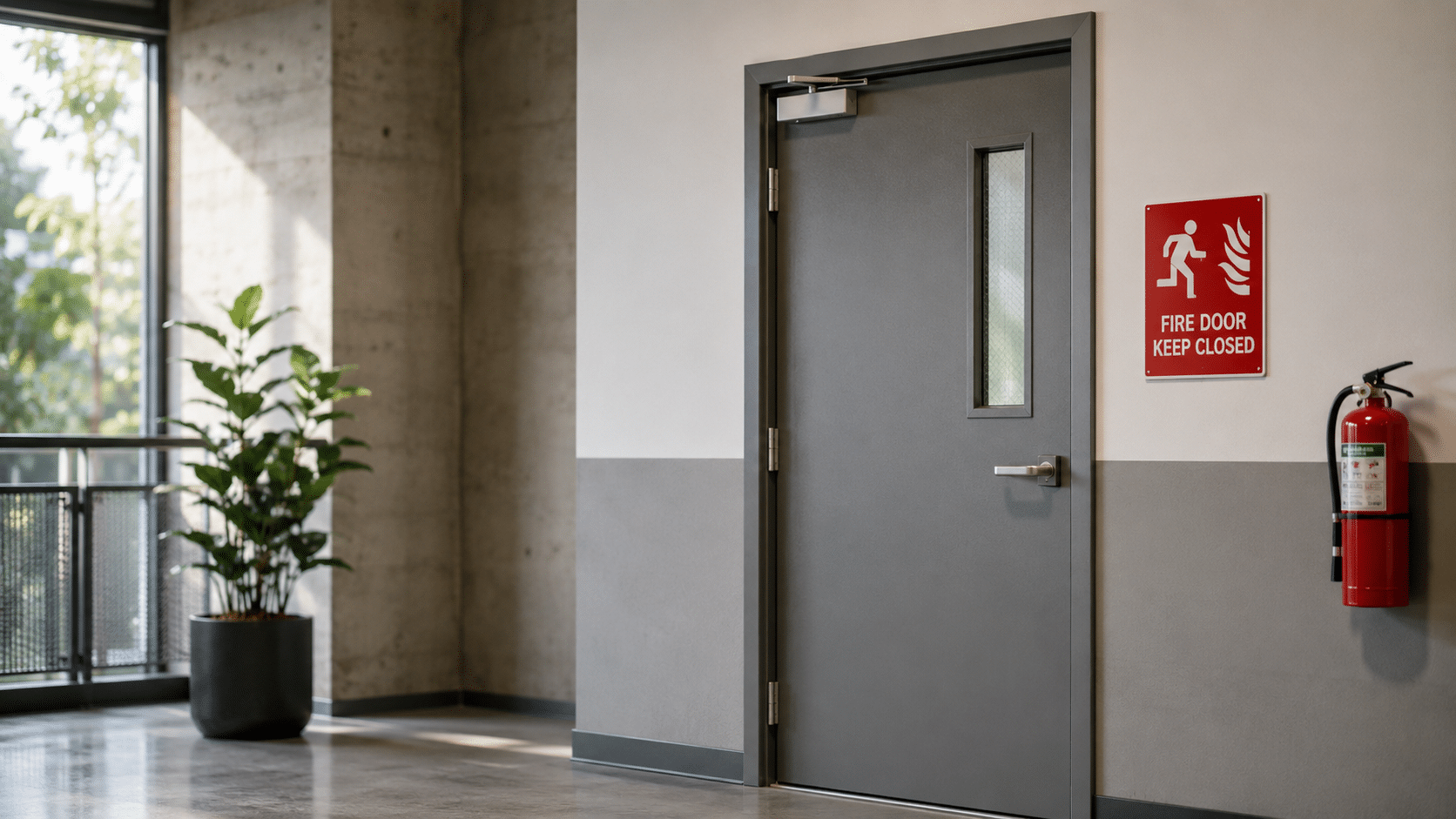
- Required signage
If you confirm the full set matches the intended specification, builder handover gets easier because there are fewer unknowns.
A Builder-Friendly Pre-Handover Checklist
Use the checklist below as a site routine in the final weeks. It is designed to be quick and practical, not theoretical.
1) Confirm locations against the fire door schedule
Walk the building with the latest schedule and mark each door as:
- Installed and correct type
- Installed but requires adjustments
- Outstanding or substituted
Keeping a single “source of truth” list prevents confusion when multiple trades are finishing at once, and it supports a cleaner builder handover.
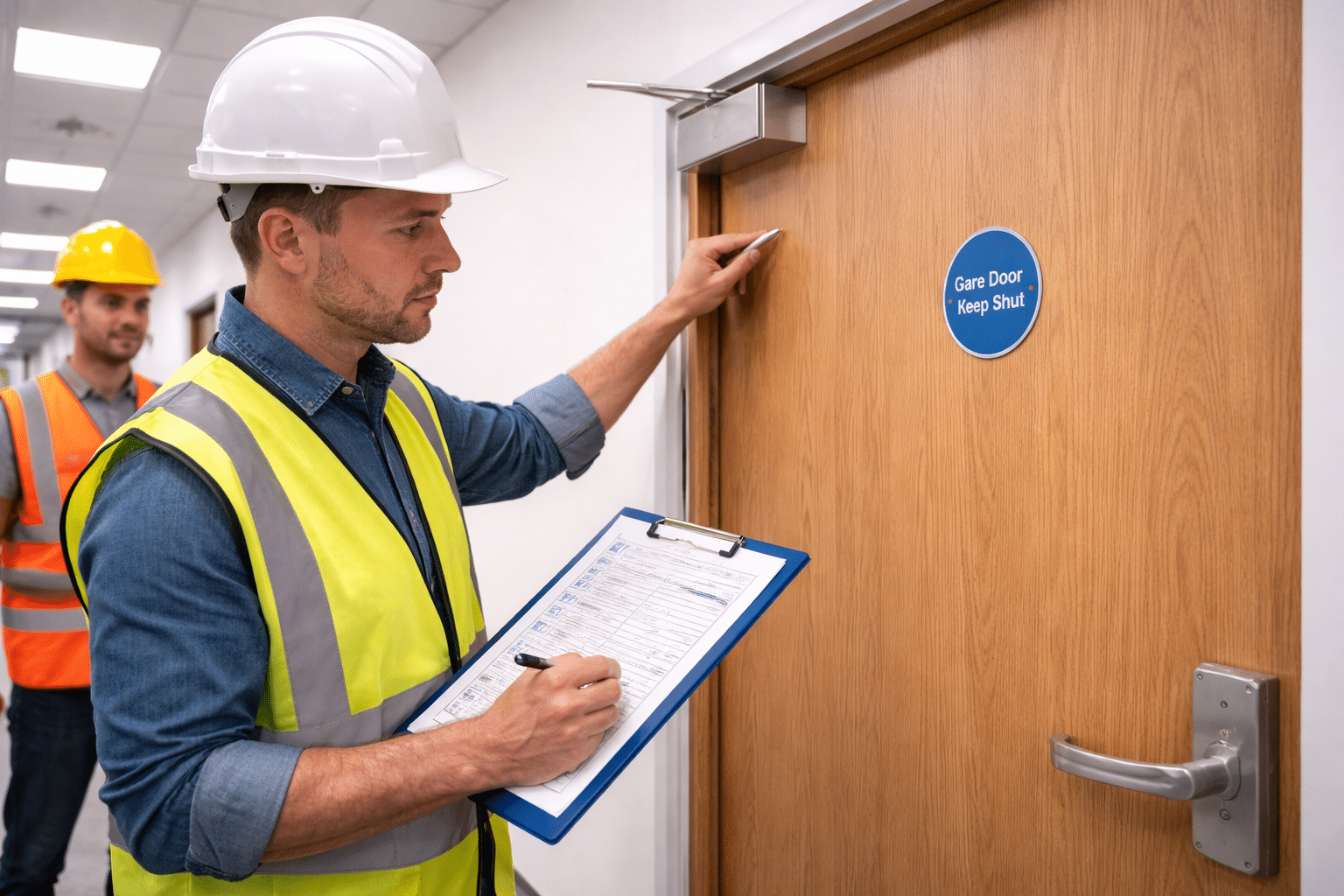
2) Test self-closing and latching, every time
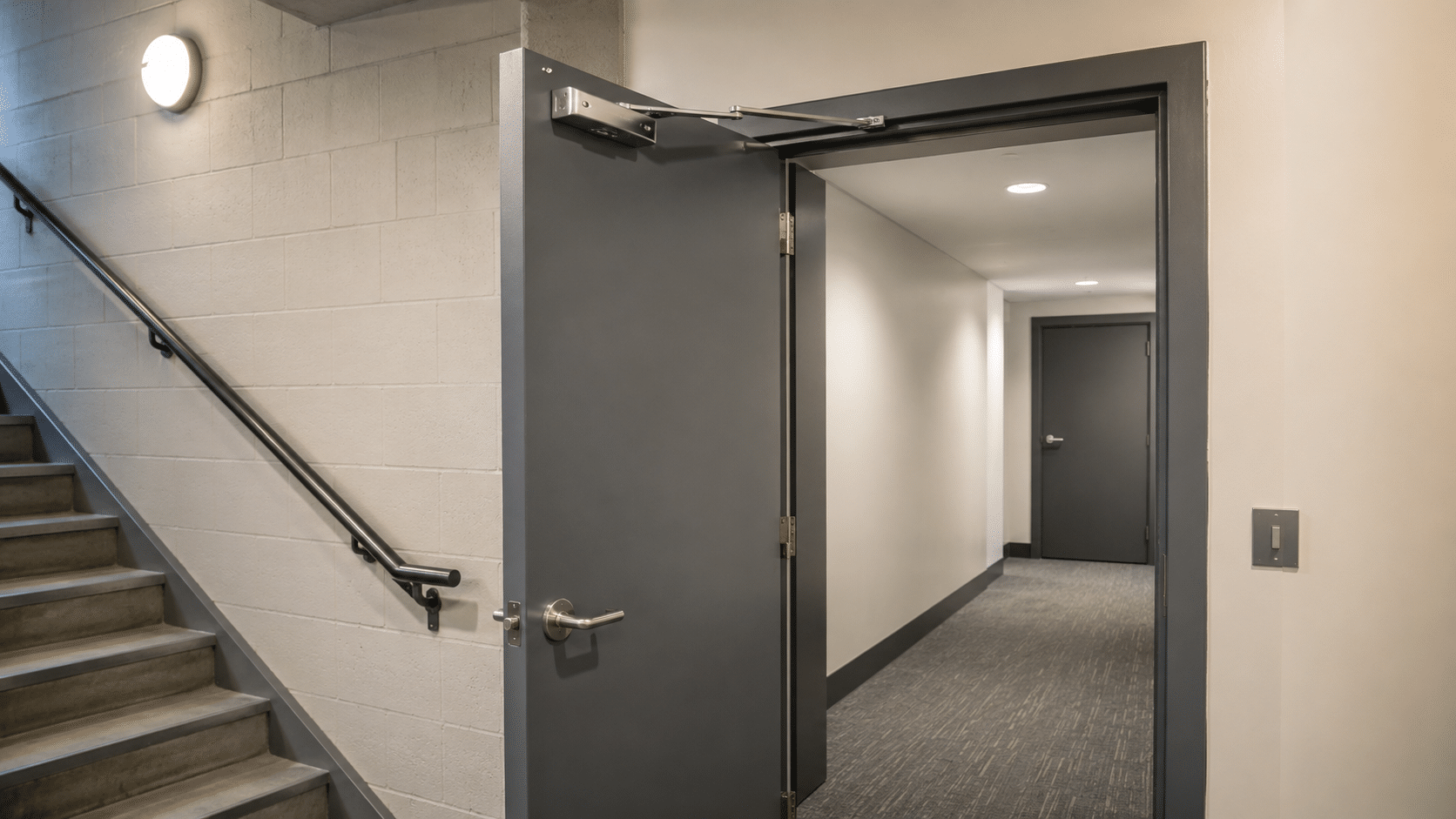
This is the big one. A fire door must close and latch reliably. Test from:
- A small open angle
- A half open angle
- Fully open
The door should close without slamming and the latch should engage cleanly. If it bounces off the strike or sticks, it needs adjustment before inspection. This simple test prevents many sign-off failures and supports a calmer builder handover.
3) Inspect gaps and door condition
Look for:
- Excessive gaps around the leaf
- Rubbing on the frame, floor, or latch edge
- Edge damage from moving furniture or materials
- Warping, swelling, or water damage
- Unauthorised holes, cuts, or notches
Small defects can turn into bigger compliance questions if discovered late.
4) Check seals are present, continuous, and intact
Seals are often disturbed during painting and finishing. Confirm they are:
- The correct type for the door set
- Installed in the right position
- Continuous with no missing sections
- Not torn, crushed, or painted over
If a seal looks compromised, fix it before the inspector sees it. That saves time and protects builder handover timelines.
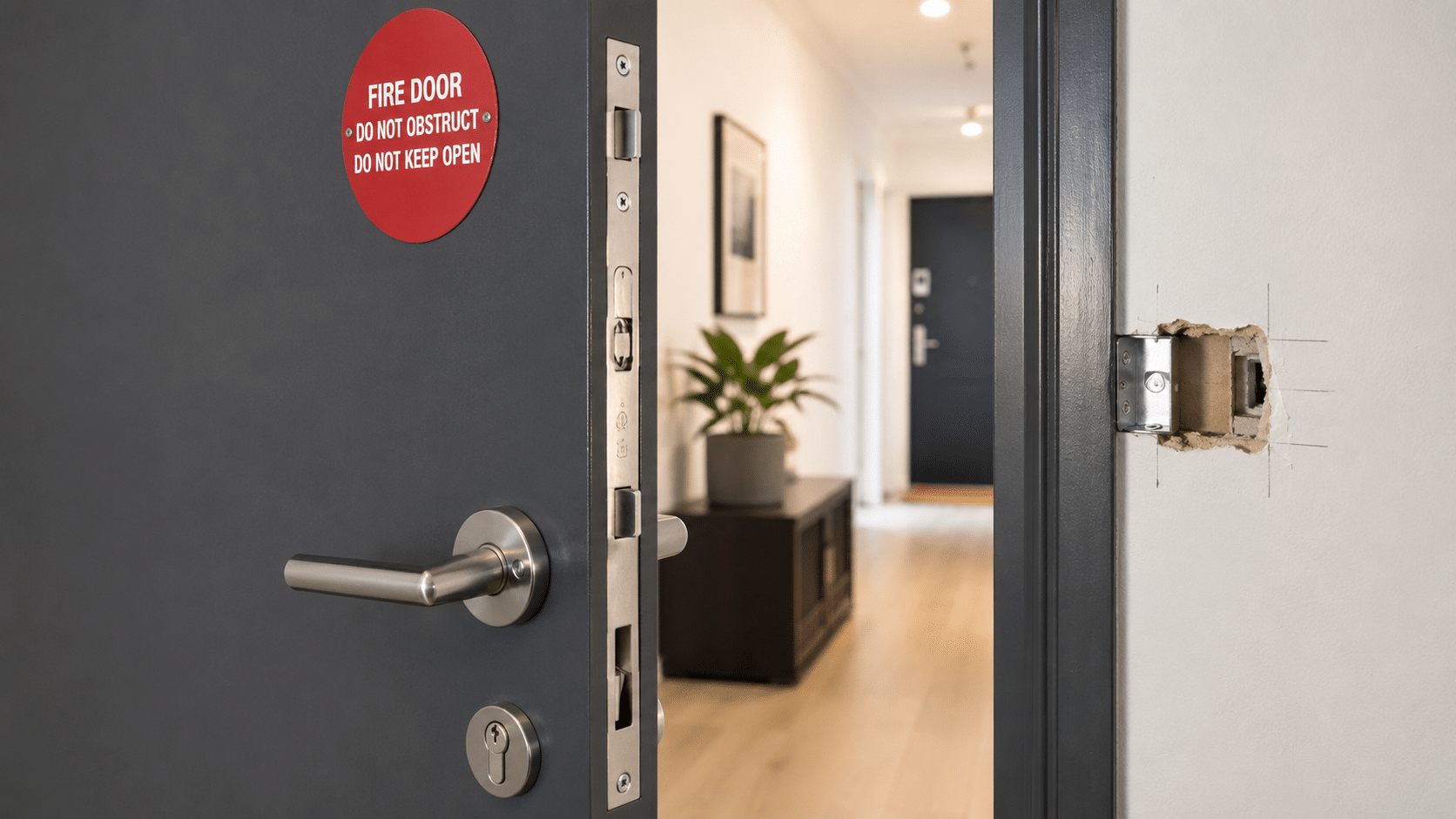
5) Confirm compliant hardware and correct operation
Hardware changes are a frequent cause of last-minute issues. Confirm:
- Correct hinges and quantity
- Fire-rated closer fitted and adjusted
- Lockset or latch aligned and working
- Any electromagnetic devices release correctly on alarm
- Coordinator devices (for pairs) operate correctly, if used
If access control is being added, ensure the fire door functionality is not reduced by changes to latching or closing.
Documentation That Makes Sign Off Straightforward
Sign off is not only about what is installed. It is also about proving it. Create a simple digital folder that includes:
- Final fire door schedule and locations
- Product evidence for doors, frames, seals, and hardware
- Installation details, including contractor information
- Inspection and rectification records
- A clear handover summary for the building manager or strata
This is where builder handover often succeeds or fails. When the certifier asks for evidence, you want to respond quickly and clearly.
Common Mistakes That Cause Re-Inspections
If you want to avoid return visits, keep an eye on these common traps:
- Painting over smoke seals or hardware, which can affect performance
- Leaving closers unadjusted because “we will tune them later”
- Changing locksets late due to keying or access requirements
- Installing door stops that prevent full closing
- Allowing trades to wedge doors open during fit-out, damaging hinges and closers
- Trimming doors on site without confirming what is permitted
Avoiding these protects compliance and keeps builder handover on track.
A Simple Timeline You Can Apply to Most Projects
A realistic timeline reduces last-minute stress:
- Two to three weeks before: Confirm schedules, finalise hardware, book inspections
- One to two weeks before: Complete installation, adjust closers, fit seals and signage
- Three to five days before: Walk the building using the checklist, fix defects
- Handover week: Final inspection, compile documentation pack, close out remaining items
This approach makes builder handover more predictable because fire doors stop being a “surprise item” at the end.
Who Signs Off and Who Owns It After Handover
Depending on the project, sign off may involve:
- The certifier or building surveyor for overall compliance
- A fire door specialist for inspection, tagging, and reporting
- The builder and project team for defects close-out
- The building manager or strata manager for ongoing maintenance
It helps to clarify early who is responsible for collecting evidence and who is responsible for maintaining the doors after builder handover is complete.
How CFS Can Help
Comprehensive Fire Services (CFS) supports Sydney builders with fire door inspections, practical rectifications, and clear reporting that makes compliance easier to manage. If you want fewer call-backs and a smoother finalisation process, we can help you identify issues early and get doors functioning correctly before final inspections. For your next builder handover, reach out to CFS and we will help you get your fire door sign off sorted with less stress.