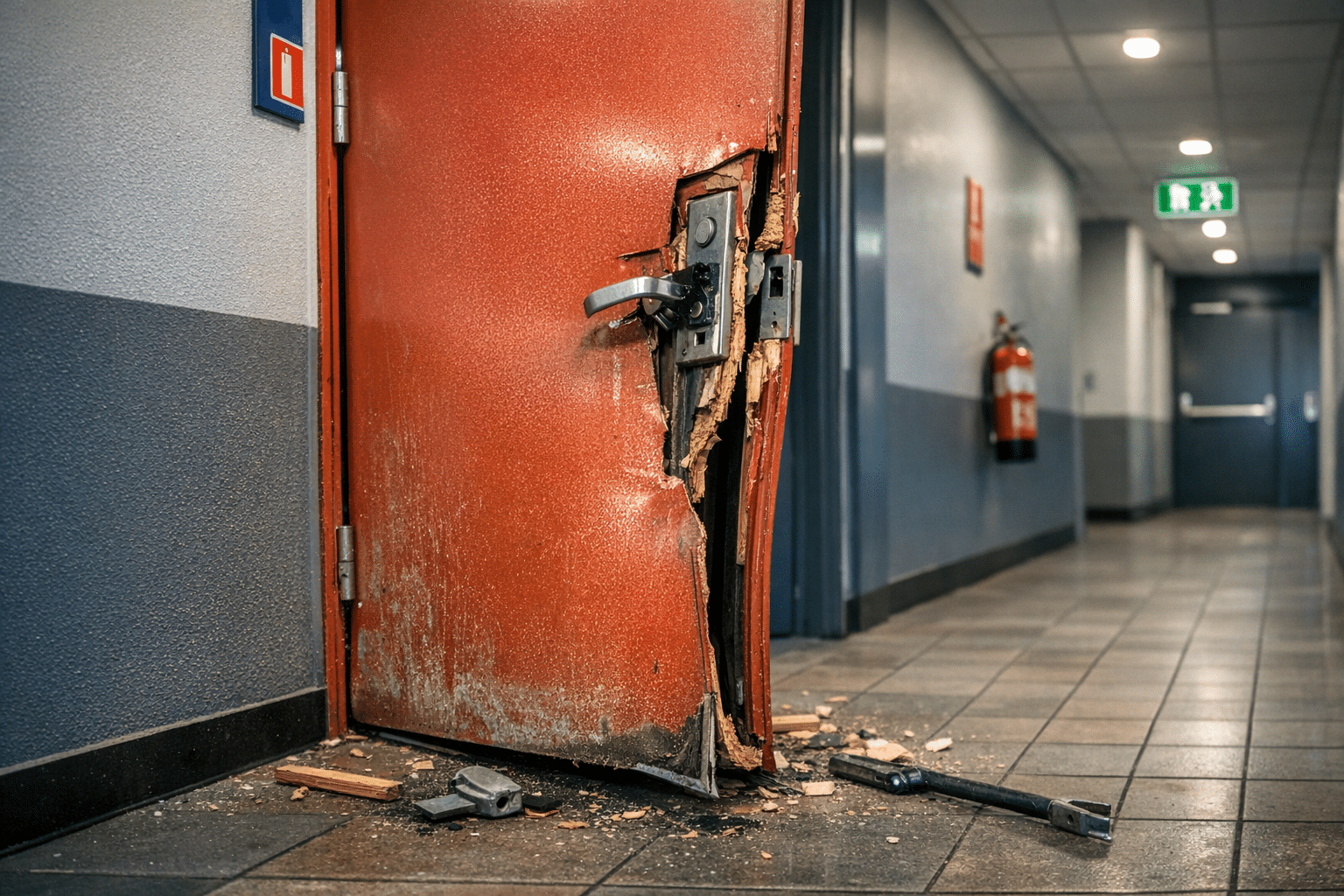
Break-In Damage: Steps After a Fire Door Break-In
Break-in damage to a fire door needs fast attention, even if the scene looks minor at first glance. A dented leaf, bent frame, forced lock, broken closer, or missing seals…

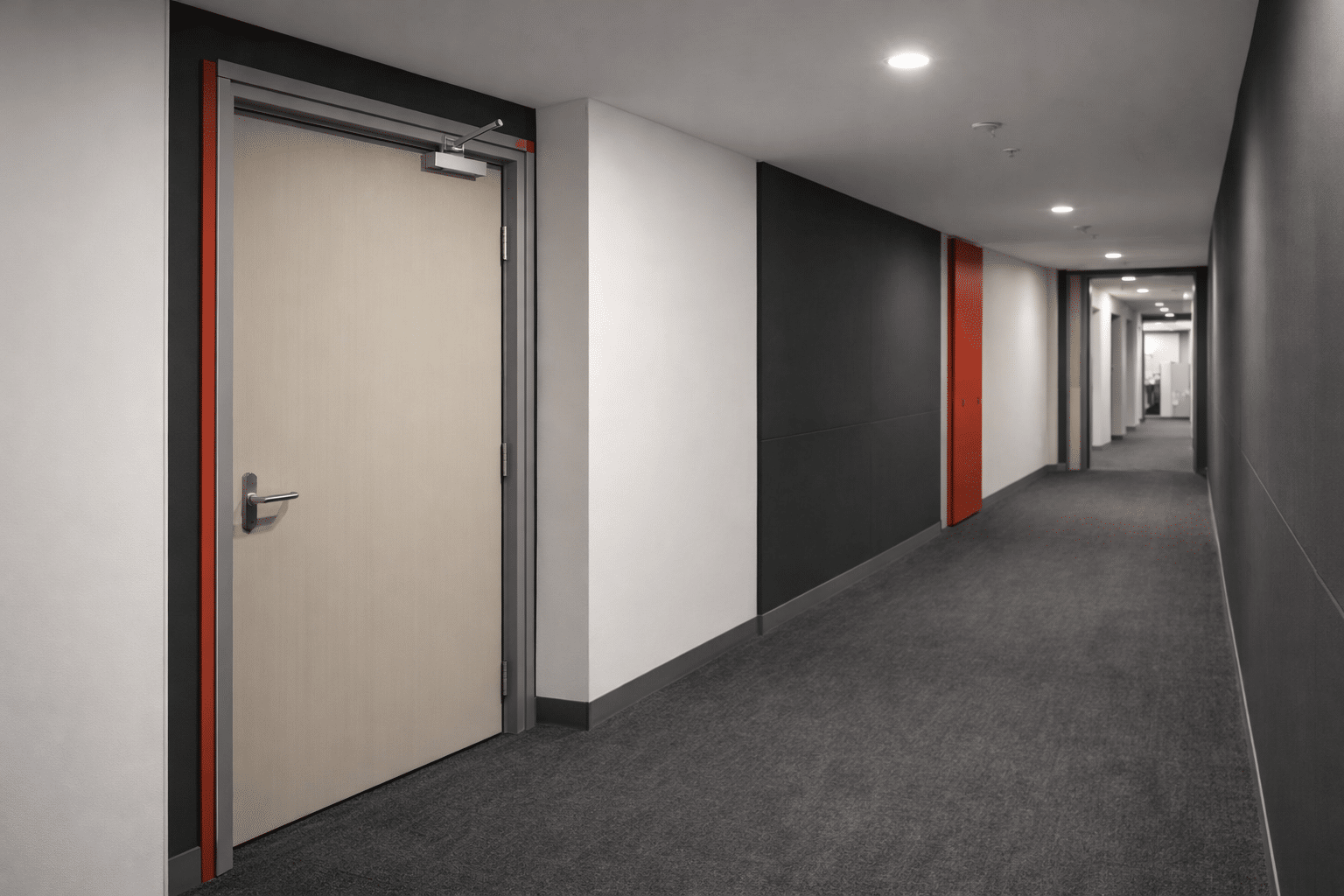
Conversion of fire doors is a topic that comes up often for strata managers, builders, and property professionals trying to improve safety without replacing more than they need to. It sounds simple enough: take a normal door, add a few fire-rated parts, and call it a day. In practice, though, things are not quite that easy.
A fire door is a tested system, not just a solid-looking door leaf with a closer attached. It is designed to help slow the spread of fire and smoke, protect escape paths, and support the fire safety plan for the building. That is why conversion of fire doors needs careful assessment before any work begins.
Sometimes, a standard door can be upgraded, but only in very limited situations. The big issue is that fire doors are usually tested and certified as a complete assembly. That means the door leaf, frame, seals, hinges, latch, closer, glazing if any, and even the gaps around the door all work together as one compliant system.
If a normal door has not been manufactured or tested to meet the required fire rating, simply changing the hardware will not usually make it compliant. This is where conversion of fire doors can become misleading. A door may look tougher after an upgrade, but appearance is not the same as certification.
For most commercial and strata buildings, the safer path is to treat the opening as a fire door set that must meet the relevant requirements as a whole. In many cases, replacement is more practical than trying to modify a door that was never meant to perform in a fire.
A proper fire door is built to resist heat, flames, and smoke for a set period. It may include a solid core, fire-rated construction, intumescent seals that expand under heat, and compliant hardware that keeps the door closed when needed.
A standard internal door, by comparison, is often made for privacy, acoustics, or basic durability. It may be perfectly fine for everyday use, but it was not designed to hold back a fire event. That is why conversion of fire doors should never be approached as a quick handyman job.
Think of it like this: putting running shoes on a lounge chair does not make it fit for a marathon. In the same way, adding a few fire-related components to an ordinary door does not automatically turn it into a tested fire door.
There are situations where components of an existing door assembly can be improved. For example, compliant seals, fire-rated locks, signage, or self-closing devices may be added or replaced as part of maintenance. This is common where the base assembly is already a legitimate fire door and the work is being done to restore performance.
That is different from true conversion of fire doors, where someone wants to take a normal, non-fire-rated door and make it into a compliant fire door from scratch. In most cases, that is not the preferred option because the original materials, construction, and certification are simply not there.
Before any decision is made, the opening should be inspected by a qualified specialist who can assess the frame, wall type, clearances, hardware, and evidence of previous certification. A careful inspection can save a lot of wasted spend and help avoid a nasty compliance surprise later.
Trying to create a fire door from a standard door without proper certification can lead to several problems. The first is obvious: reduced fire protection. If the door fails early in a fire, smoke and heat can spread much faster through corridors, stairwells, and shared areas.
The second problem is compliance. For building managers and strata professionals, conversion of fire doors done incorrectly can create issues during inspections, annual reporting, insurance reviews, or defect rectification. A door that is non-compliant may need to be replaced anyway, which means paying twice.
The third issue is liability. Fire doors are not decorative extras. They are part of a building’s passive fire protection system. If they do not perform as intended, the consequences can be serious for occupants, owners, and managers alike.
A standard door may be a poor candidate for upgrade if it has lightweight construction, an unsuitable frame, excessive warping, damaged edges, non-compliant glazing, or gaps that cannot be corrected properly. Even if the door appears sturdy, that does not prove it has the right internal build or test history.
This is why conversion of fire doors should always begin with evidence, not guesswork. Labels, tags, manufacturer data, and previous maintenance records can all help identify whether the opening has a compliant base to work from.
If that information is missing, professionals will usually take a cautious view. In fire safety, “should be right” is not a strategy anyone wants attached to their building.
For many properties, the most reliable solution is to replace the non-compliant door set with a purpose-built fire-rated assembly. That may sound like more work upfront, but it often saves time and money over the life of the building. A proper installation gives you a clearer compliance path, stronger long-term performance, and fewer headaches during inspections.
In that sense, conversion of fire doors is often less about transforming an ordinary door and more about deciding whether upgrading is truly viable. If not, replacement is the smarter move.
This is especially important in strata complexes, commercial buildings, and industrial sites where there are multiple openings to manage. A consistent, documented approach makes future maintenance easier and helps avoid a mix of questionable door types across the property.
If you are considering changes to existing doors, ask a few practical questions early:
Has the door or frame ever been fire-rated and tagged?
Are the hardware and seals compatible with a tested assembly?
Will the proposed work affect certification?
Can the installer provide documentation for compliance and ongoing maintenance?
Is replacement actually the cleaner and more cost-effective option?
These questions matter because conversion of fire doors is not just a building works issue. It is a risk management decision. Good documentation and professional advice can make that decision much easier.
Yes, some existing door assemblies can be upgraded, repaired, or brought back to standard. But turning a normal door into a truly compliant fire door is rarely as simple as it sounds. The success of conversion of fire doors depends on the original construction, the frame, the hardware, the certification pathway, and the quality of the installation.
For most buildings, the best outcome comes from having the opening assessed by fire door specialists who understand compliance requirements and can recommend the safest path forward. Sometimes that will mean selective upgrades. Other times, it will mean replacement with a certified fire door set that is ready to do the job properly.
Either way, conversion of fire doors should be handled with care, not crossed fingers. A compliant fire door protects people, supports safe evacuation, and gives building managers greater confidence that their property is better prepared if the unexpected happens.
If you need expert advice, Comprehensive Fire Services can inspect existing doors, identify compliance issues, and recommend whether upgrade works or full replacement is the right solution for your building. Their team supports strata, commercial, and industrial clients with practical fire door services across Sydney.
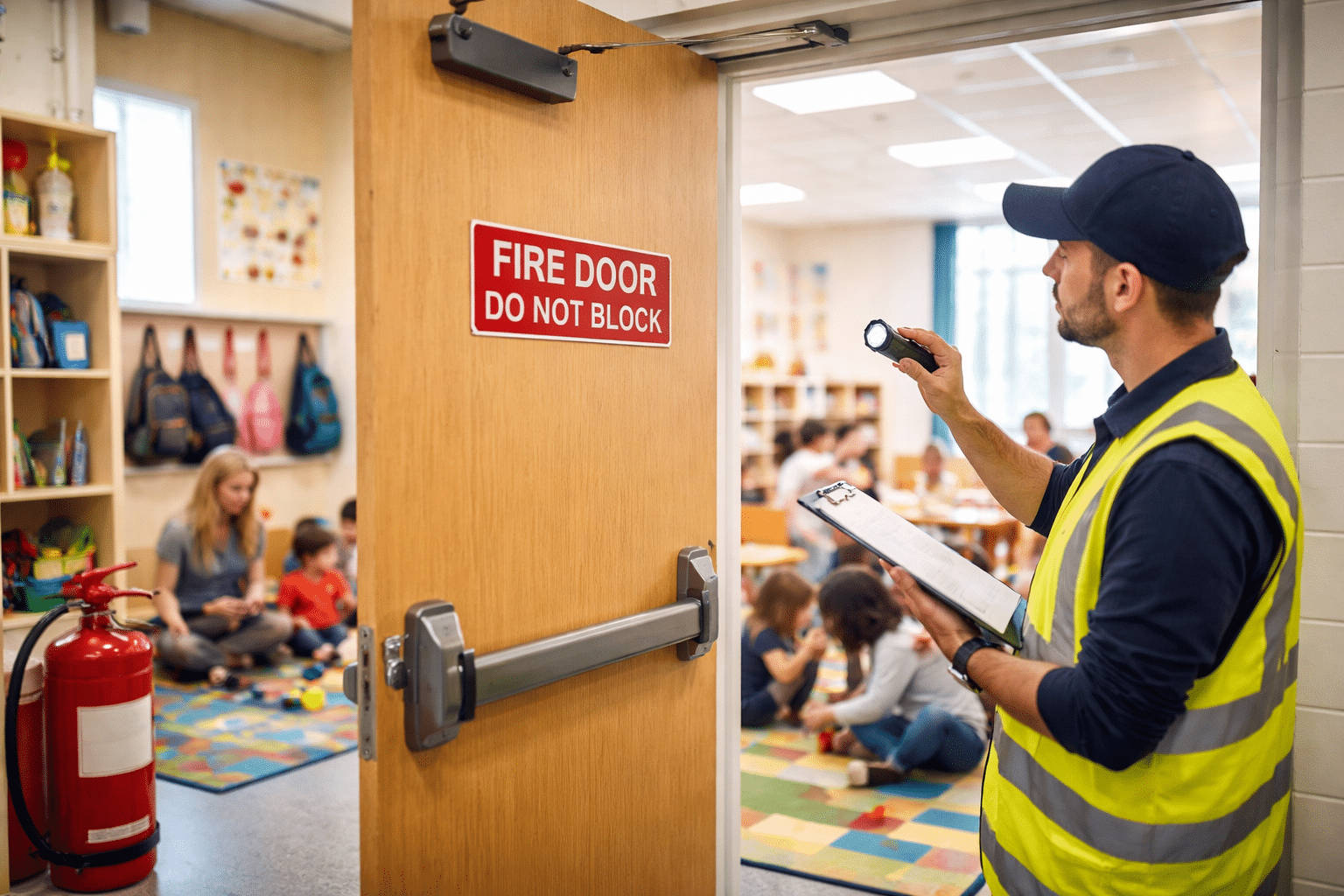
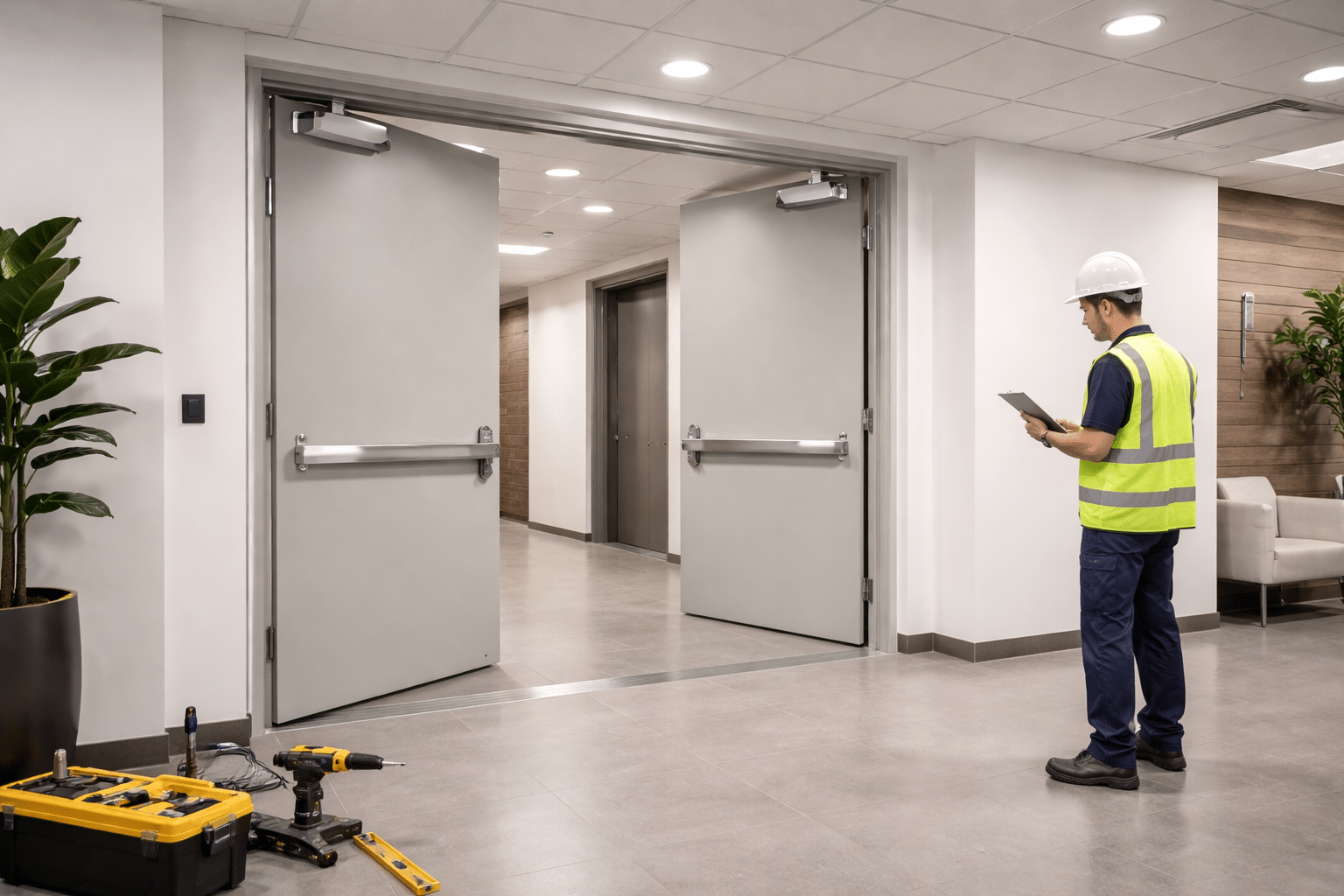



FPAS Accreditation Number: F055161A
We are committed to delivering the highest level of professionalism and compliance in the fire protection industry. As part of this commitment, our team holds accreditation under the Fire Protection Accreditation Scheme (FPAS) — the national accreditation framework developed by Fire Protection Association Australia (FPA Australia).

Phone: 0418 749 488
Fax: 02 4648 5386
Email: [email protected]
© 2026 Comprehensive Fire Service - Website by BSharp Tech