Cables or pipes pass through fire walls in many commercial, strata and industrial buildings, but the small opening around those services can create a big fire safety problem if it is not properly sealed. A fire wall is designed to slow the spread of fire and smoke from one area to another. When holes are made for electrical cables, plumbing, data lines or air conditioning services, the wall’s protection can be weakened unless the gap is treated with the correct fire-rated system.
Why It Matters When Cables or Pipes Pass Through Fire Walls
When cables or pipes pass through a fire wall, they create what is known as a service penetration. That simply means a building service has passed through a wall, floor or ceiling that is meant to resist fire. It is a normal part of building work, but it must be managed carefully.
Every time cables or pipes pass through a fire-rated wall, there is a chance for smoke, heat and flame to move through the opening. Even a small gap can allow smoke to travel quickly into corridors, stairwells, plant rooms or neighbouring tenancies. In a fire, smoke often causes serious danger before flames arrive, which is why sealing these openings matters.
For building managers and strata managers, these areas are easy to overlook because they are often hidden in cupboards, risers, ceilings, service rooms or car parks. Unfortunately, hidden does not mean harmless. A neat-looking wall can still be non-compliant if the service penetrations are not correctly sealed.
What Should Happen Before Cables or Pipes Pass Through a Wall
Before cables or pipes pass through a fire wall, it is important to understand the wall’s fire rating and what type of service is being installed. Different walls have different ratings, and the fire stopping product must match the rating required for that wall.
Before cables or pipes pass through, the installer should know whether the opening will need fire-rated sealant, collars, wraps, pillows, mortar or another tested system. The right choice depends on the size of the opening, the type of wall, the material of the pipe or cable, and how the service behaves in heat.
If cables or pipes pass through without planning, the result is often a quick patch job that does not meet fire safety requirements. A tube of standard silicone from the hardware shop is not enough. Fire-rated products are tested for specific uses, and they must be installed correctly to work as intended.
Common Risks When Cables or Pipes Pass Through Fire Walls
Problems often start when cables or pipes pass through during upgrades, renovations or maintenance works. A contractor may install new cabling or plumbing, make an opening, complete their task and move on without arranging compliant fire stopping. The building may look finished, but the fire wall may no longer do its job.
Another issue is when cables or pipes pass through an existing opening that has already been sealed. If someone adds more services later and damages the original seal, the fire-stopping system may no longer be compliant. This can happen in communications cupboards, electrical risers and plant areas where services are regularly added or changed.
Other common warning signs include cracked sealant, missing labels, open gaps, loose collars, expanding foam that is not fire-rated, and penetrations that have been covered over without proper documentation. These are the sorts of details that can cause headaches during inspections, especially when annual fire safety statement paperwork is due.
What Compliant Fire Stopping Looks Like
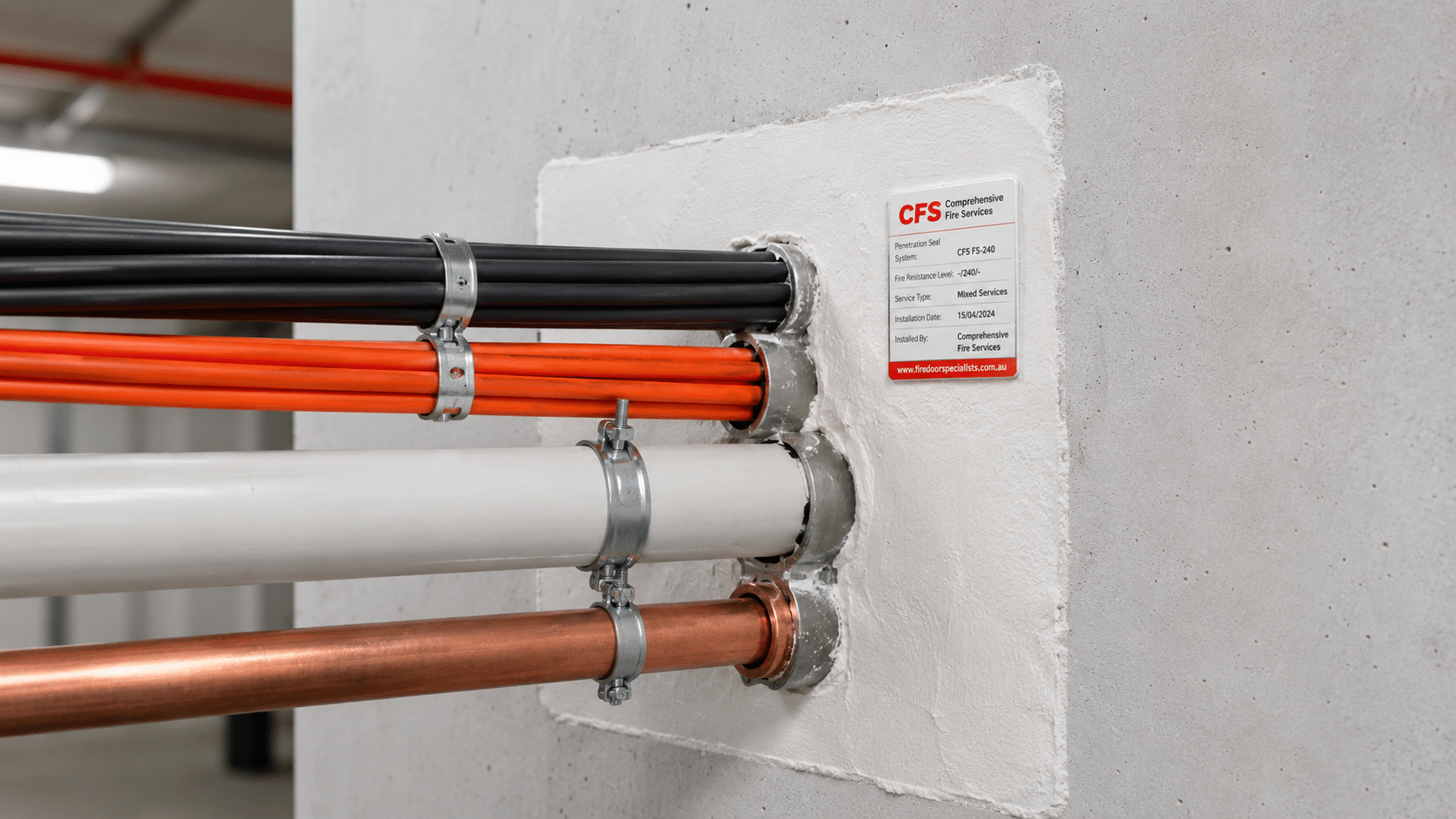
When cables or pipes pass through a fire wall, compliant fire stopping should be installed as a tested system, not just a random product. This means the product, wall type, opening size and service type should all suit the fire rating required.
A small gap where cables or pipes pass may need fire-rated sealant and backing material. Larger openings may need fire-rated mortar or board systems. Plastic pipes may need fire collars that expand during a fire and crush the pipe closed. Cable bundles may require specialist wraps or pillows, depending on the tested design.
Good fire stopping should be neat, secure and suitable for the location. It should not be crumbling, peeling away or loosely packed into the hole. In many cases, it should also be labelled so future contractors and inspectors can understand what system has been used.
Documentation is just as important as the installation. Building managers should keep records showing where fire stopping has been installed, what products were used, and whether the work was completed by a qualified contractor. This makes future inspections far easier and helps support compliance requirements.
Inspection Tips for Building and Strata Managers
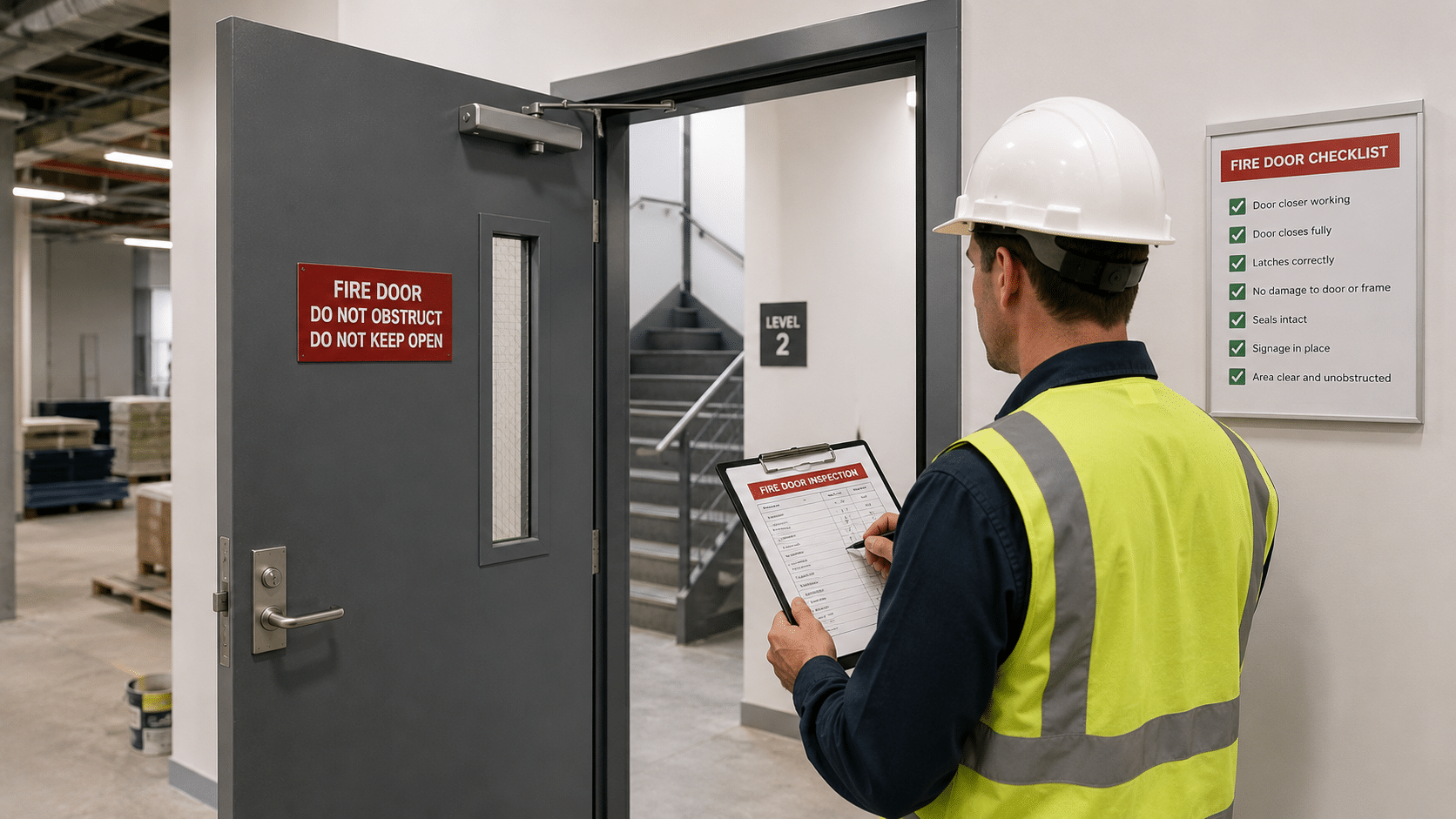
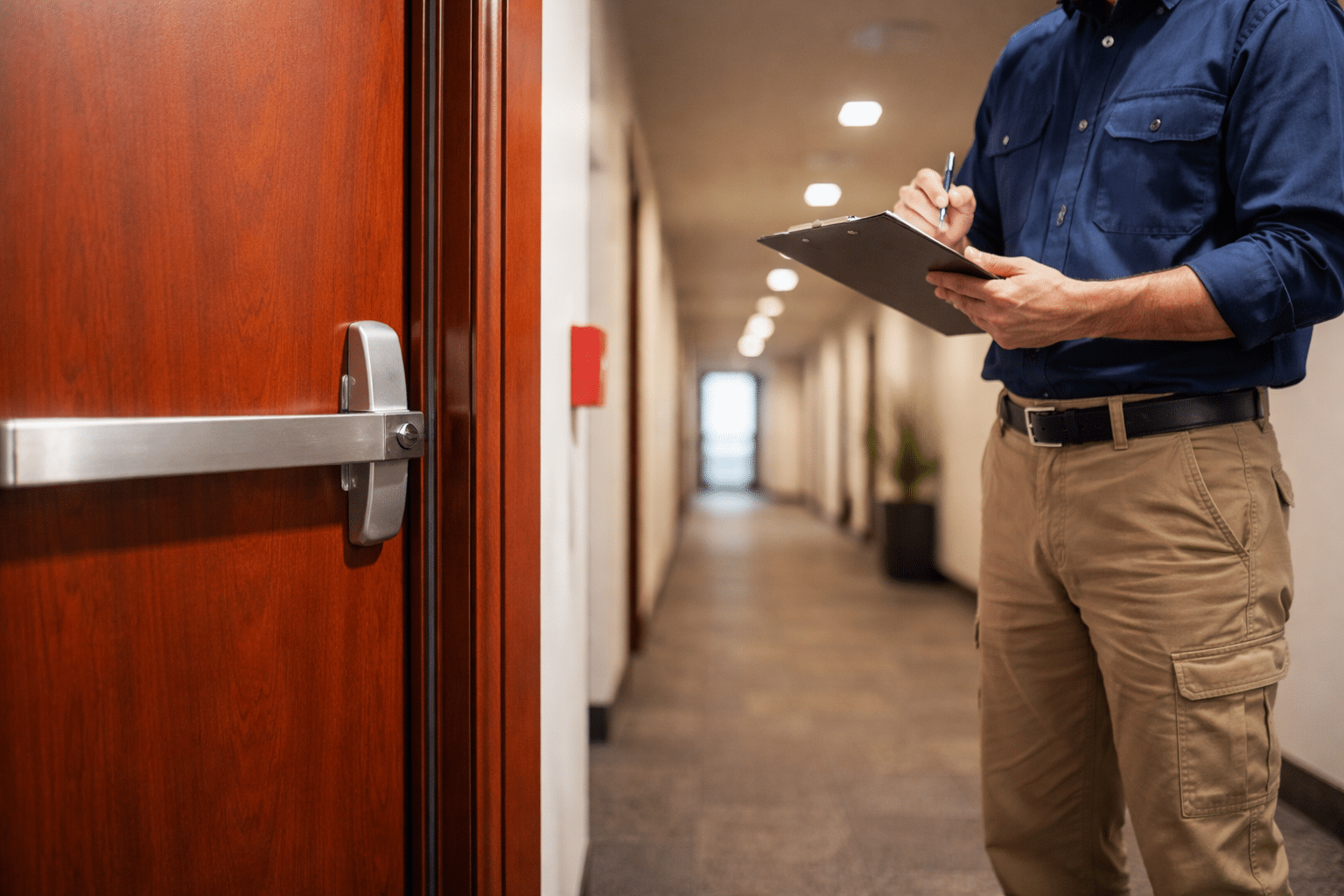
Where cables or pipes pass through fire walls, regular inspections can help catch issues before they become expensive compliance problems. The best approach is to include service penetrations in routine fire safety checks, especially in high-risk or high-traffic service areas.
If cables or pipes pass through walls in electrical cupboards, basement car parks, plant rooms, garbage rooms, stairwell areas or service risers, check whether the openings are fully sealed and in good condition. Look for gaps around pipes, missing collars, damaged sealant, or signs that new services have been added after the original work was completed.
It also helps to speak with contractors before they start work. If electricians, plumbers, data technicians or mechanical contractors need to make holes in fire-rated walls, they should understand that the opening must be properly fire stopped afterwards. Clear communication at the start can prevent a lot of tidy-up work later.
For strata buildings, this is especially useful because multiple contractors may work on the property across the year. A simple rule can make a big difference: if a trade opens a fire-rated wall, the fire rating must be restored before the job is considered complete.
Why This Matters for Compliance
Fire safety compliance is not only about ticking boxes. It is about protecting people, property and escape paths. Fire walls, fire doors and passive fire stopping all work together to slow fire and smoke spread. If one part fails, the whole system can be weakened.
Service penetrations are often small compared with doors, walls and floors, but they can have a major impact. During a fire, pressure can push smoke and hot gases through openings very quickly. That can make evacuation harder and increase damage in other parts of the building.
For property managers, the challenge is that fire stopping is not always visible during everyday site walks. This is why planned inspections, proper records and experienced contractors are so valuable. They help identify issues early and reduce the risk of last-minute compliance surprises.
How CFS Can Help
If cables or pipes pass through fire walls in your building, Comprehensive Fire Services can help assess whether those penetrations have been properly treated and whether repairs or upgrades are needed. CFS works with strata managers, building managers, commercial property owners, builders and fire safety companies across Sydney.
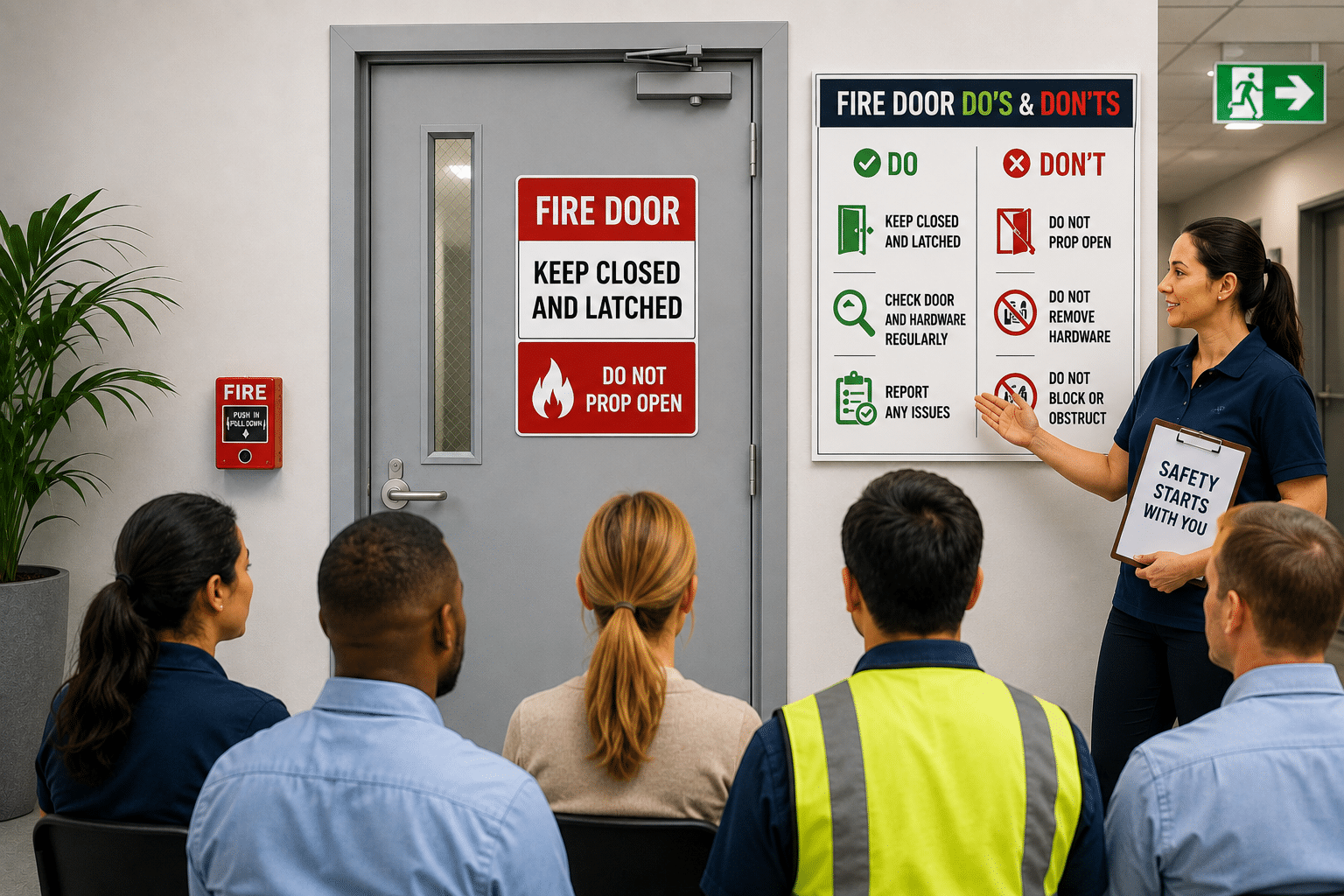
Along with passive fire stopping, CFS also provides fire door supply, installation, maintenance, testing and inspections. That means you can get practical support across key parts of your passive fire protection system, without juggling multiple contractors.
Need help checking fire doors, fire-rated hardware or service penetrations? Contact Comprehensive Fire Services on 0418 749 488 or visit the contact page to arrange professional support for your building.