Closer compliance is one of those topics that sounds boring until a fire door fails to close properly, then suddenly everyone is very interested. If you manage a strata building, commercial site, or industrial facility, your door closer is not “nice to have”. It is the part that helps the fire door do its job: shut firmly and reliably to slow smoke and fire.
The good news is most closer issues are preventable. The even better news is many fixes are quick, affordable, and genuinely long-lasting, as long as you tackle the cause, not just the symptom.
Why Door Closers Matter For Compliance
Fire doors are designed to protect people by containing fire and smoke within a compartment. That only works if the door closes fully and latches when it should. Australian requirements for fire doors are tied to standards and building rules, and self-closing operation is a core expectation for fire-resisting doorsets in practice.
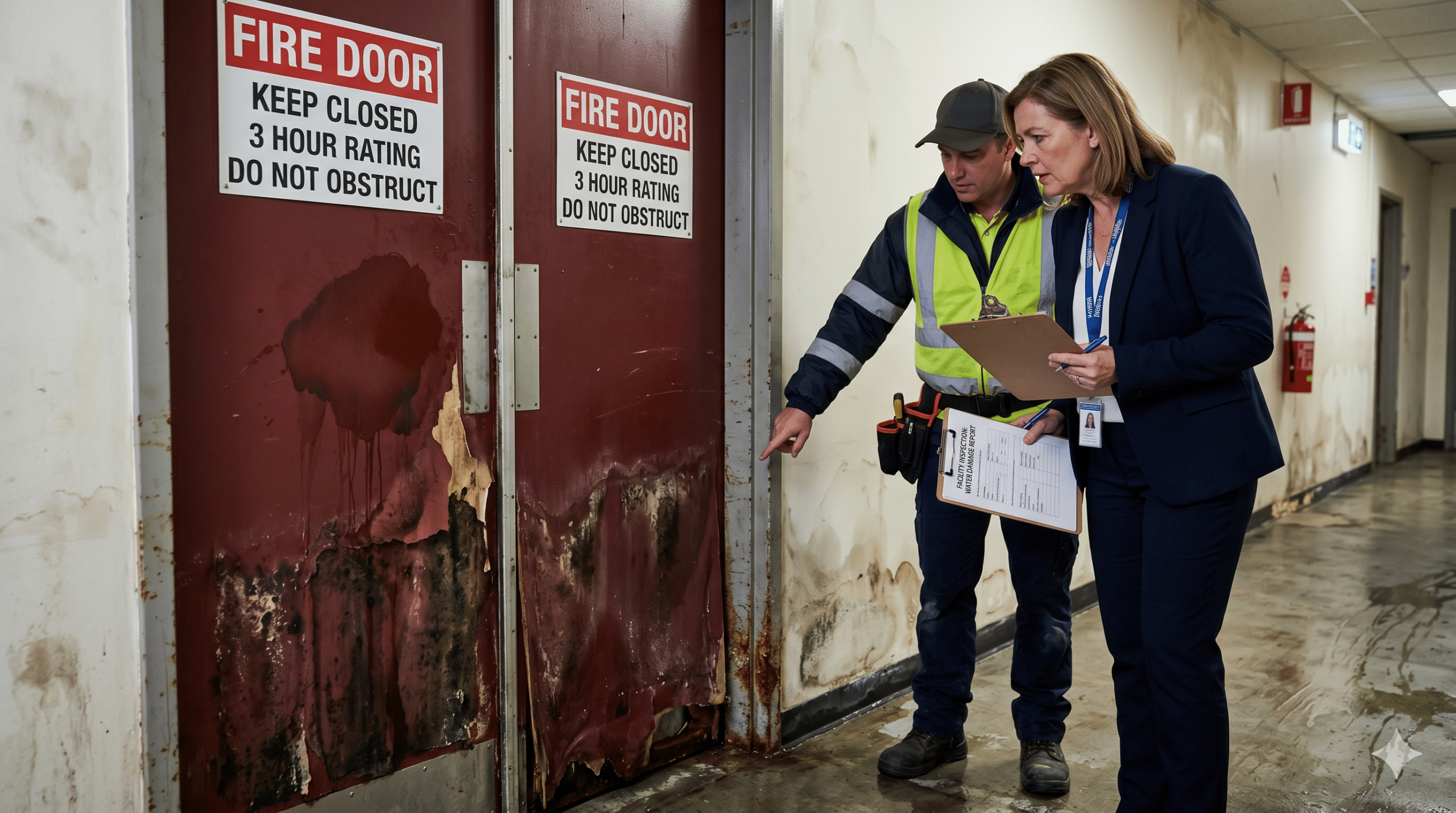
If a fire door is propped open, or it swings shut but does not latch, the door might as well be a very expensive wall decoration. That is why closer compliance is routinely checked during inspections and becomes a common point of non-conformance.
The Fast “Walk-By” Check Your Team Can Do Weekly
You do not need tools to spot early warning signs. A simple weekly walk-by helps you catch problems before they become expensive call-outs:
- Open the door fully and let it close on its own
- Watch for smooth movement, no jolts or sticking
- Confirm it closes all the way and latches
- Listen for scraping, grinding, or a loud slam
- Check it is not being held open with wedges, hooks, or door stops
This simple routine supports closer compliance because it flags issues early, while they are still easy to fix.
The 7 Most Common Door Closer Faults (And Quick Fixes)
1) The Door Slams Shut
A slamming door is not just annoying. It damages frames, loosens hardware, and can lead to latch misalignment over time.
Quick fix that lasts: Adjust the closer speed and latch action valves in small increments. If the closer is leaking oil, adjustment will not solve it and the unit will likely need replacement. A leaking closer is a classic closer compliance fail.
2) The Door Closes Slowly Then Stops Short
This often happens when the latch action is too soft, the seals are binding, or the door is slightly out of alignment.
Quick fix that lasts:
- Increase latch action slightly
- Check for rubbing on the frame or floor
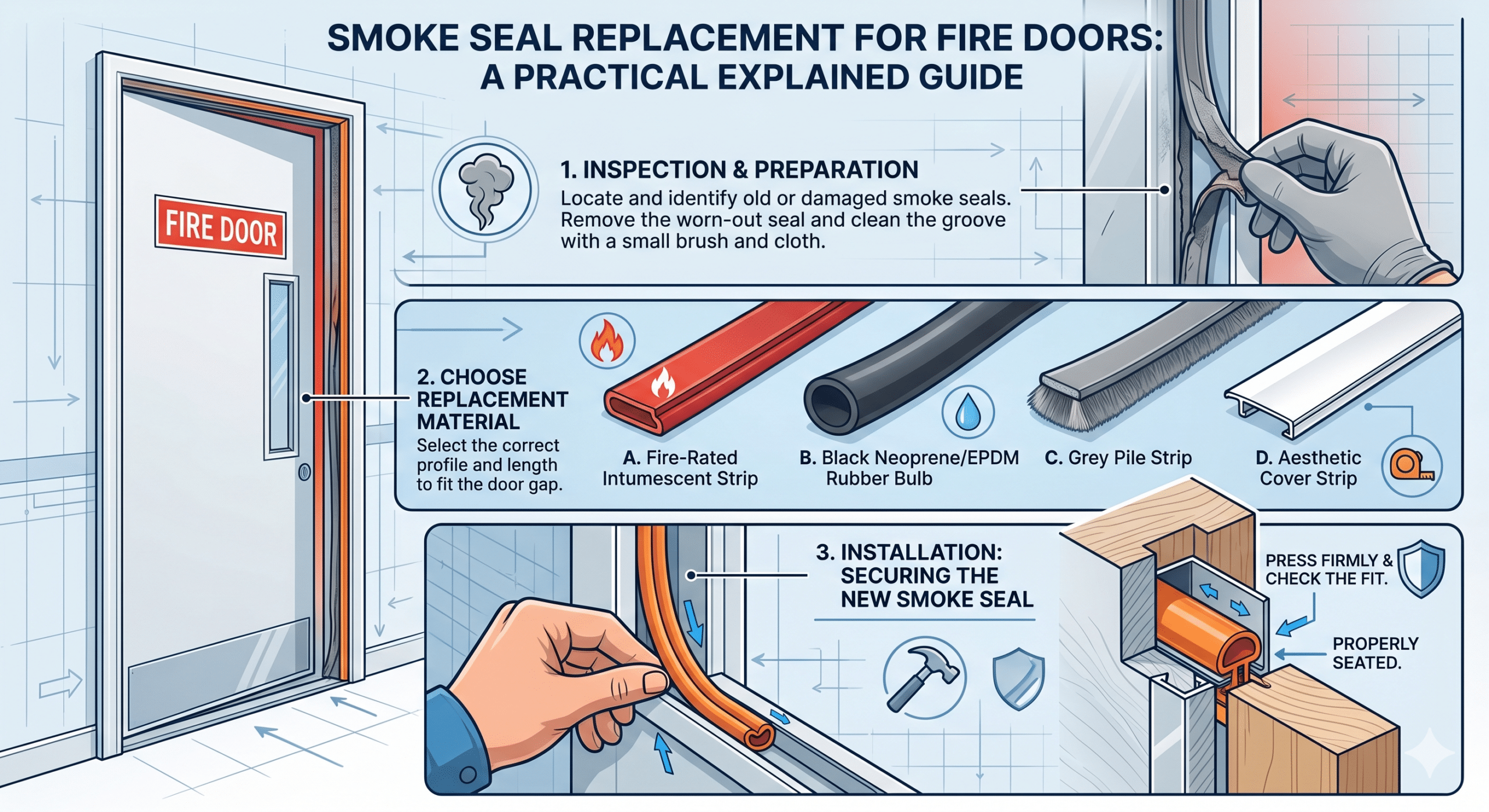
- Replace worn perimeter seals if they are dragging excessively
- Confirm the latch lines up cleanly with the strike
These steps usually restore closer compliance without replacing major parts.
3) The Door Closes But Does Not Latch
The closer may be working, but the latch is not engaging. Common causes include loose hinges, misaligned strikes, or swelling doors.
Quick fix that lasts: Tighten hinges, re-align the strike plate, and confirm the latch tongue moves freely. If the latch is damaged or stiff, replace it with a compliant equivalent. This is also worth checking against current building requirements.
4) The Door Is Hard To Open
If people struggle to open the door, they may start propping it open. That creates a bigger safety issue than the original problem.
Quick fix that lasts: Confirm the closer power setting is appropriate for the door size and use. Reduce spring power only if it still reliably closes and latches every time. Balancing accessibility and closer compliance is key.
5) The Closer Arm Is Loose Or Bent
A bent arm often means the door has been forced open too far, or used like a gym machine.
Quick fix that lasts: Replace the arm or closer assembly, and add a proper door stop where appropriate so the closer is not taking the full impact. This protects closer compliance long-term.
6) Delayed Action Is Causing Confusion
Some doors are set to delay closing for accessibility or traffic flow. If the delay is too long, the door can be left open too often.
Quick fix that lasts: Reduce the delay to the minimum needed for the space. Make sure the function is suitable for that opening and still meets closer compliance expectations during inspections.
7) Hold-Open Devices Used Incorrectly
Wedges and improvised hold-open tricks are common. They also undo the whole point of a fire door.
Quick fix that lasts: If the door needs to be held open for operations, use an appropriate, compliant solution that releases on alarm, rather than a doorstop. This is a frequent closer compliance issue in strata and commercial sites.
Quick Fixes That Do Not Last (And Cost More Later)
Some “repairs” create repeat call-outs:
- Over-tightening screws into stripped timber or hollow frames
- Masking a misaligned door by cranking the closer speed
- Lubricating the wrong areas and attracting grit
- Ignoring hinge wear and blaming the closer
- Repainting over closer adjustment ports and labels
These shortcuts tend to fail at the worst time: right before an audit, a tenant complaint, or an Annual Fire Safety Statement cycle. NSW building owners have obligations around maintaining essential fire safety measures and issuing annual statements when required.
A Simple Maintenance Pattern For Reliable Results
If you want fewer surprises, use a repeatable plan:
Monthly (internal): quick walk-by checks and log obvious issues
Quarterly (contractor): inspect operation, adjust speeds, check latching and clearances
Annually (formal): confirm performance and documentation aligns with the fire safety schedule and reporting needs
This pattern supports closer compliance because it creates evidence of care, not just a scramble when something fails.
Documentation: The Boring Part That Saves You
When you get an issue fixed, capture these basics:
- Door location and ID (sticker or asset register)
- What was wrong (symptom and cause)
- What was done (adjusted, repaired, replaced)
- Who did the work and when
- Photos before and after (optional but helpful)
Clear records help demonstrate ongoing closer compliance and make future servicing faster, because the technician is not starting from scratch.
When Replacement Is Smarter Than Repair
Repairs are great when the closer is structurally sound. Replacement is usually smarter when you see:
- Oil leaking from the closer body
- Repeated drifting out of adjustment
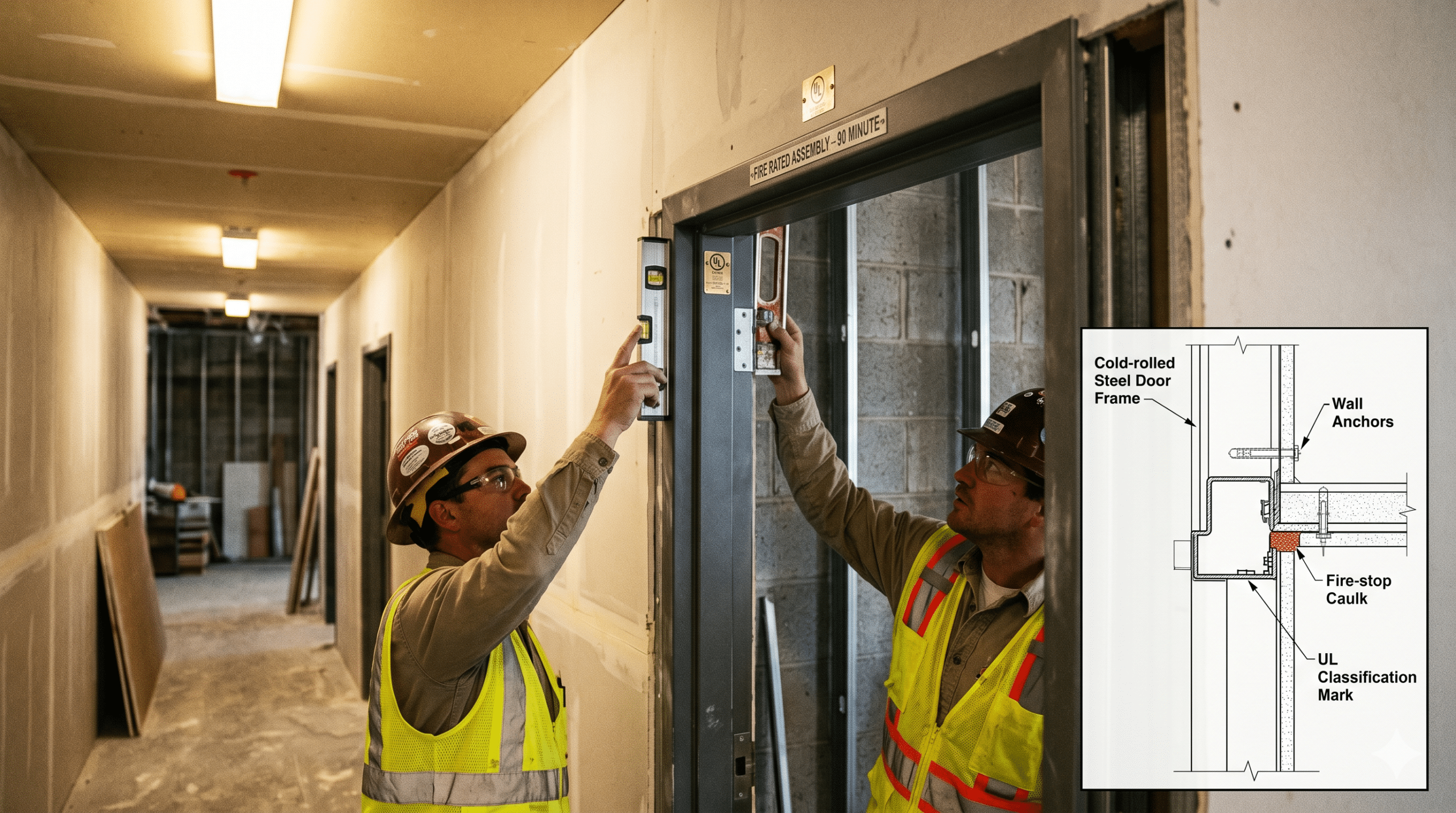
- Missing compliance markings on the closer or unknown hardware history
- Significant door or frame movement that has damaged the closer mounting
In these cases, chasing adjustments can become a monthly ritual. Swapping to a suitable, tested, and correctly installed closer is often the quickest route back to closer compliance.
How Comprehensive Fire Services Can Help
At Comprehensive Fire Services (CFS), we help strata and building managers across Sydney keep fire doors and hardware working the way they are meant to, including door closer inspections, adjustments, repairs, and replacements as part of a practical compliance approach. If you are seeing recurring door issues, want fewer tenant complaints, or need confidence before inspections and AFSS time, we can help you get to closer compliance and stay there.