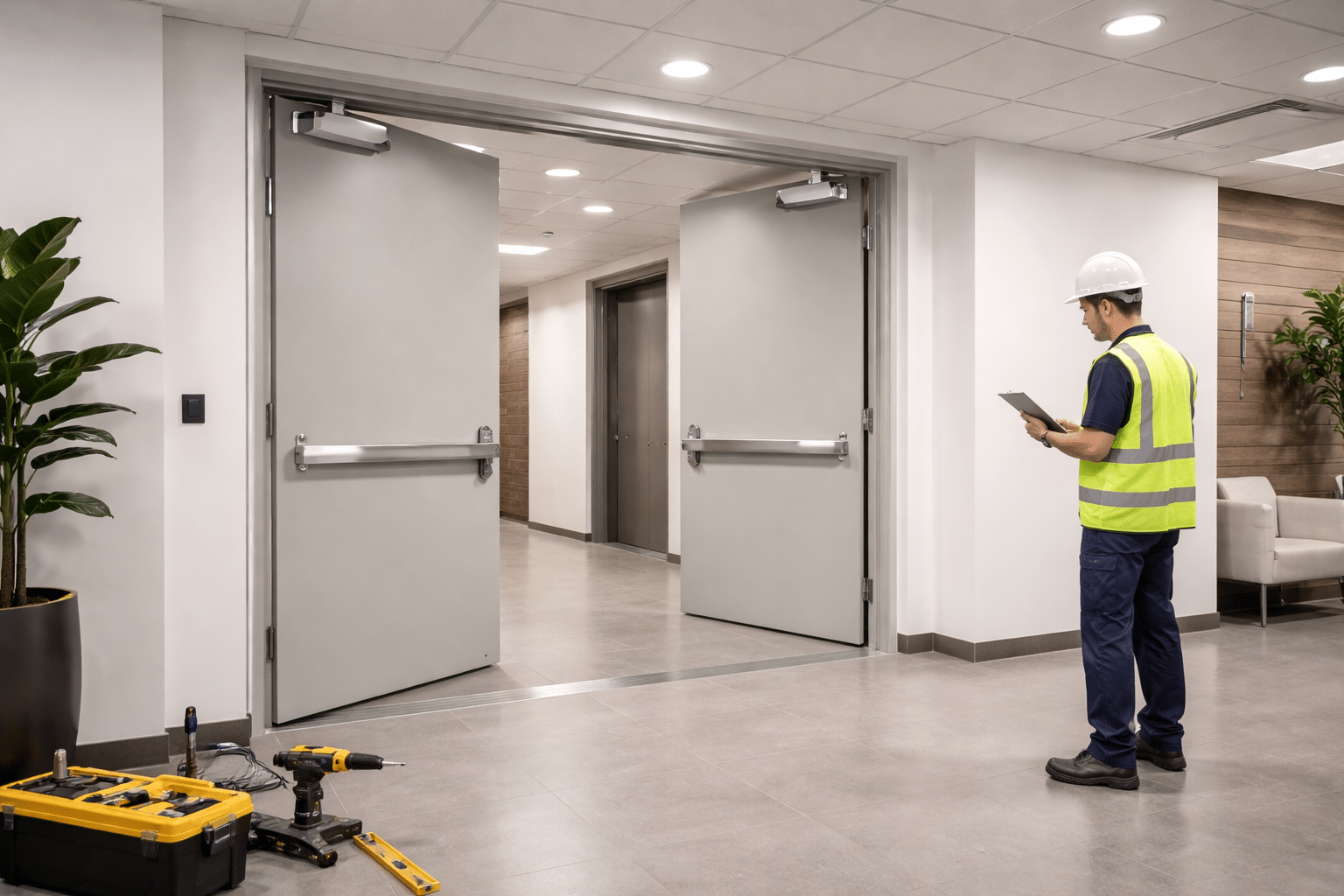
Fire Door Positioning for Full Wall Openings
Fire door positioning plays a bigger role in compliance than many people realise. When a fire door is installed within a full wall opening, the exact location of the door…

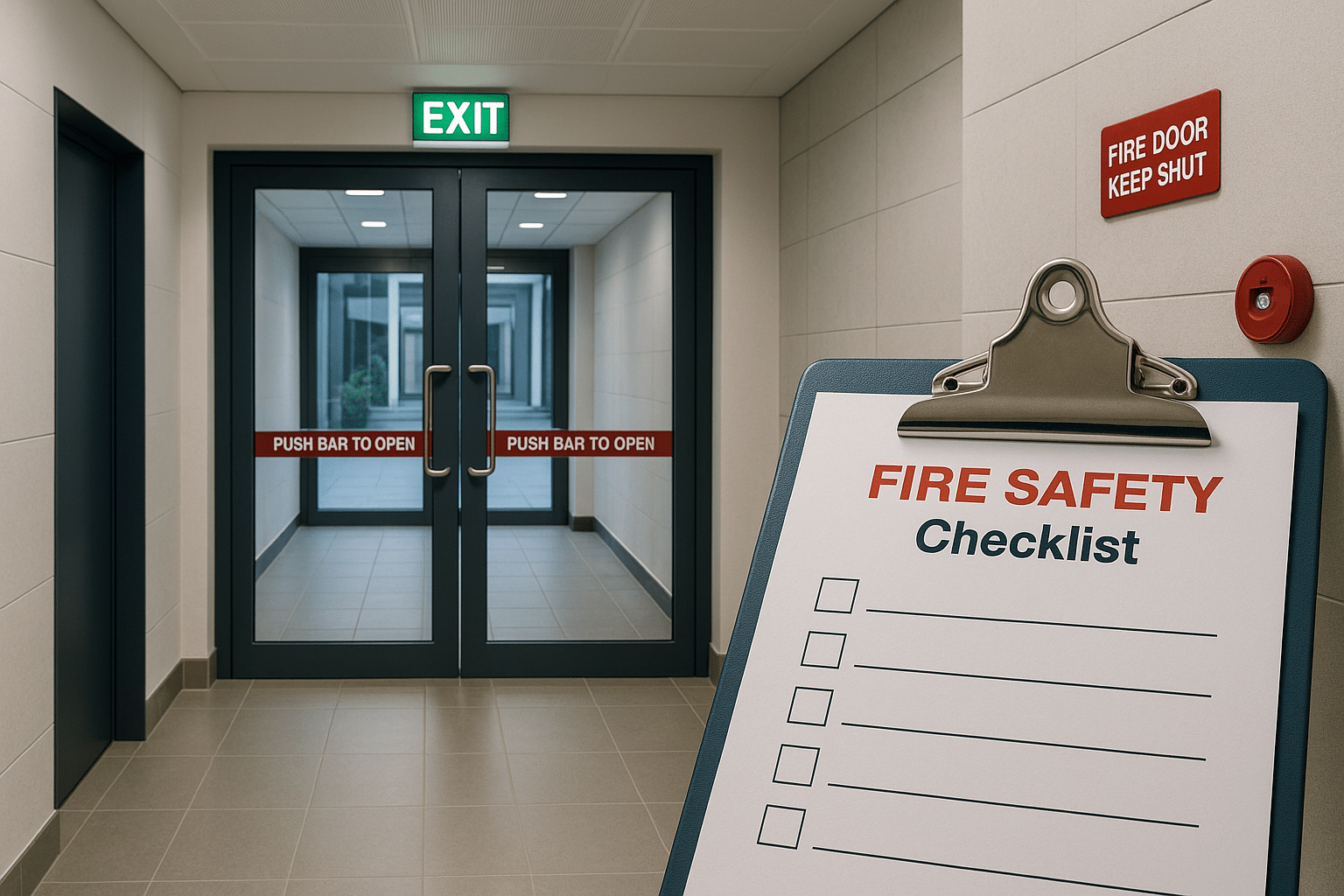
Emergency readiness is more than just a compliance box to tick. When something goes wrong, your Emergency Readiness is more than a dusty binder on a shelf. It is the everyday confidence that your building’s fire doors will shut, latch and hold when it counts. If you manage strata, commercial or industrial sites in Sydney, this guide will help you turn good intentions into practical habits that protect people and property.
When we talk about Emergency Readiness for fire doors, we mean three simple things: the right certified doors are installed in the right places, they are maintained so they perform as designed, and the paperwork proves it. That sounds basic, yet many buildings fall short on one or more of these points and only discover it at audit time or, worse, during an incident.
You do not need to be a technician to spot common problems. Add these five-minute checks to your monthly walk-through and you will lift your Emergency Readiness without breaking a sweat.
These small habits support Emergency Readiness by catching issues before they become compliance failures.
Most faults come from everyday wear or well-meaning shortcuts that undermine compliance:
In Australia, fire doors must meet strict standards and be inspected regularly, with records that feed into the Annual Fire Safety Statement. For facility and strata managers, practical Emergency Readiness means scheduling inspections, fixing defects promptly and keeping tidy documentation so audits are painless. It also means choosing certified products that match their frames and hardware, and using competent installers who sign off properly.
A good routine keeps you on track all year and builds Emergency Readiness into your culture.
This rhythm creates visible progress and reliable Emergency Readiness throughout the year.
Not every defect means a new door. Many issues can be repaired quickly:
Your goal is to restore performance and evidence, which together define Emergency Readiness.
Even a perfect door will struggle if service penetrations nearby are poorly sealed. Include passive fire stopping in your inspection scope so walls and floors remain effective barriers. Proper collars, wraps and sealants stop heat and smoke from bypassing compartments, which is essential for whole-building Emergency Readiness.
Across Sydney and NSW, building owners and managers must demonstrate compliance yearly and respond to defect notices promptly. Keep your inspection reports, repair records and certificates neatly filed. Align your schedules to your AFSS deadline so nothing is rushed. This practical paperwork is part of your Emergency Readiness because it proves your doors are not just installed but maintained.
How often should we service fire doors? Most sites choose planned maintenance at least annually, with extra checks on high-traffic doors. Busy entries may need closer attention.
Can we fit access control? Yes, provided the hardware is compliant and installed without damaging the door set’s rating.
What about sliding or oversized openings? Fire-rated sliding doors are available for large spans and can be integrated with alarms to close automatically.
What if we have unusual sizes? Custom doors and frames can be made to fit non-standard openings while meeting the right ratings and certifications. Choosing the right solution here boosts Emergency Readiness and avoids messy retrofits later.
Use this checklist to lift your Emergency Readiness in under an hour:
Repeat monthly and you will catch small problems before they reach tenants or auditors.
Emergency Readiness is a mix of good products, good people and good habits. Focus on clear routines, quick visual checks, timely repairs and tidy records. Support your team with simple training and insist that every contractor treats fire doors with care. When an alarm sounds, you will be glad you built confidence into the fabric of your building.
Comprehensive Fire Services is a Sydney-based specialist in certified fire doors, sliding fire doors, steel frames, solid core doors, compliant hardware, passive fire stopping, maintenance and inspections. We work with strata managers, building managers, commercial owners and construction teams who want reliable installation, evidence-based maintenance and smooth AFSS reporting. Our technicians handle testing, repairs and documentation, so your Emergency Readiness is practical, proven and easy to present at audit time. Call 0418 749 488 or contact us online to book an inspection today.



FPAS Accreditation Number: F055161A
We are committed to delivering the highest level of professionalism and compliance in the fire protection industry. As part of this commitment, our team holds accreditation under the Fire Protection Accreditation Scheme (FPAS) — the national accreditation framework developed by Fire Protection Association Australia (FPA Australia).

Phone: 0418 749 488
Fax: 02 4648 5386
Email: [email protected]
© 2026 Comprehensive Fire Service - Website by BSharp Tech