Fire compartmentation is the simple idea of dividing a building into fire resistant zones so flames and smoke are slowed, people can escape, and damage stays contained. This guide focuses on how that plays out during commercial fit outs, when new walls, ceilings, services and finishes are introduced to an existing structure. It follows CFS’s writing guidelines for helpful, plain language content and speaks directly to strata managers, building managers and construction teams across Sydney who carry legal and safety responsibilities for compliance and AFSS readiness. If you are exploring related topics on our site, see our compartmentalisation category for more context.
What does it mean on a fit out project?
At its core, fire compartmentation sets boundaries. Those boundaries are created by walls, floors, ceilings and door sets with proven fire resistance. In a fit out, you might be adding a tenancy lobby, reworking amenities or shifting partitions to suit a new layout. Each move can affect how heat and smoke could travel. Good planning keeps the original intent intact while updating the space for the next tenant.
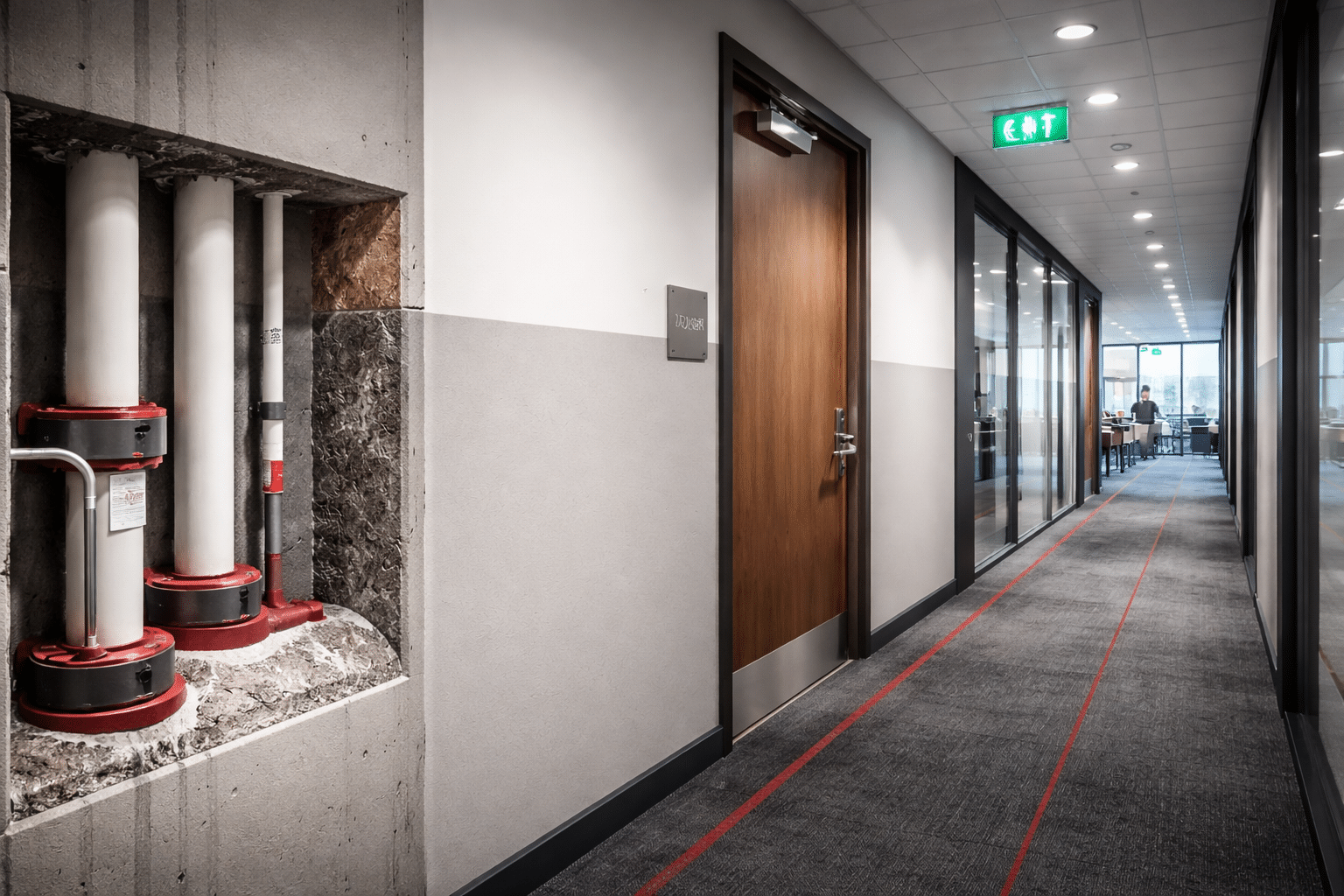
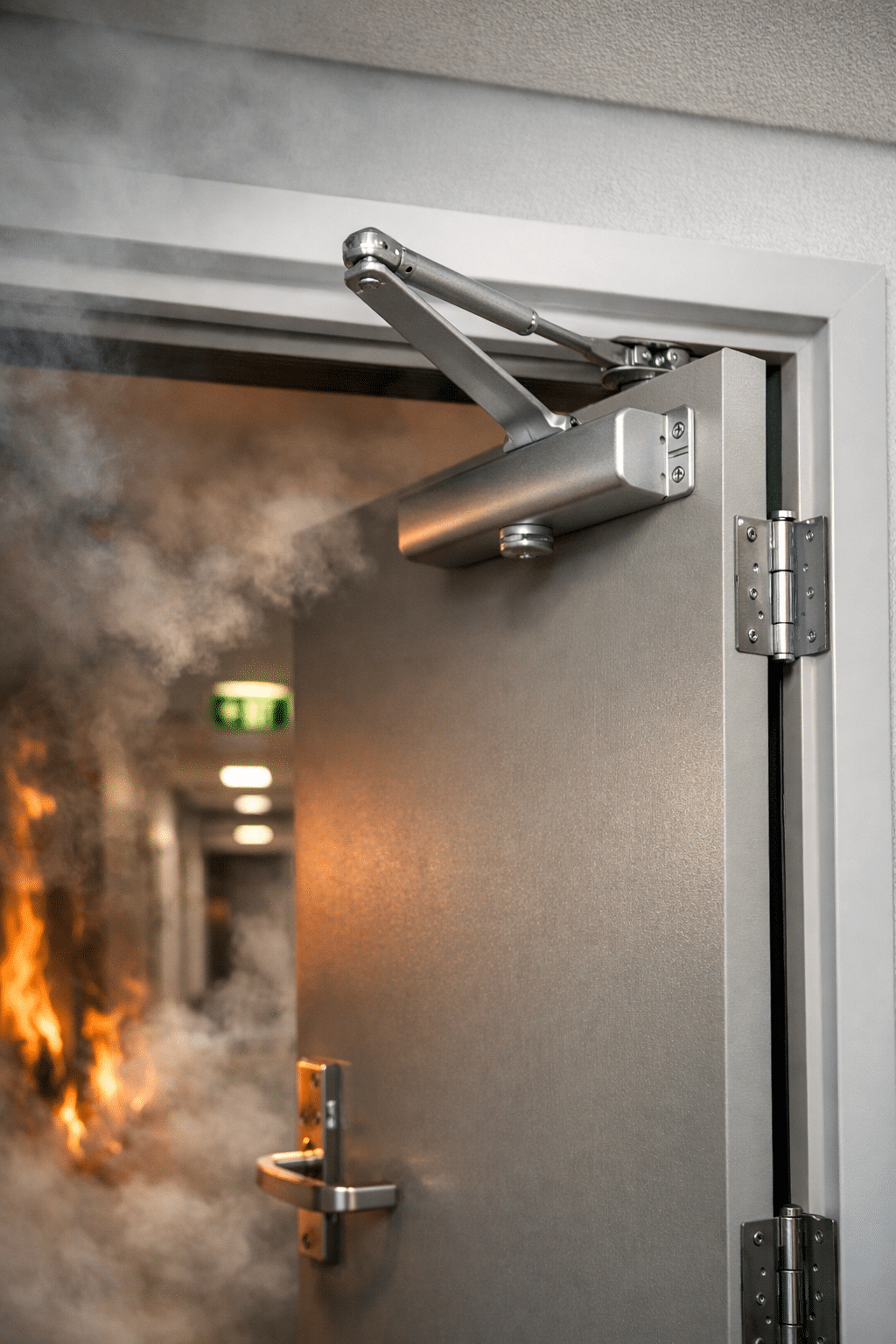
Fire compartmentation is like a series of sealed boxes inside the building. Penetrations for services pass through the box, but the hole around each pipe or cable is sealed with tested products so the rating of the wall or floor is not reduced. Doors that sit in those boundaries must close reliably and latch so they do their job when needed.
Why it matters to managers and tenants
For managers, fire compartmentation supports a safe evacuation, reduces liability, and helps you issue a clean Annual Fire Safety Statement. It also limits rework costs after inspections. Tenants benefit from reduced disruption and clearer handover, because compliant work does not need to be ripped out and done again.
Sydney authorities expect evidence for fire compartmentation, including drawings that show the fire rated barriers, schedules that list tested systems, and photos that prove correct installation. Clear records make audits faster and reduce stress for everyone involved. These documentation needs align with the way CFS clients manage risk and compliance across multiple properties.
Common fit out risks to watch
- New services through rated walls
Air conditioning, electrical, comms and hydraulics can all breach a boundary in fire compartmentation. If a new pipe or cable tray passes through a rated wall or slab, it must be sealed using a tested system that matches the service type and substrate. Do not guess. Use listed collars, wraps or sealants with the correct backing material and minimum thickness.
- Door changes for aesthetics
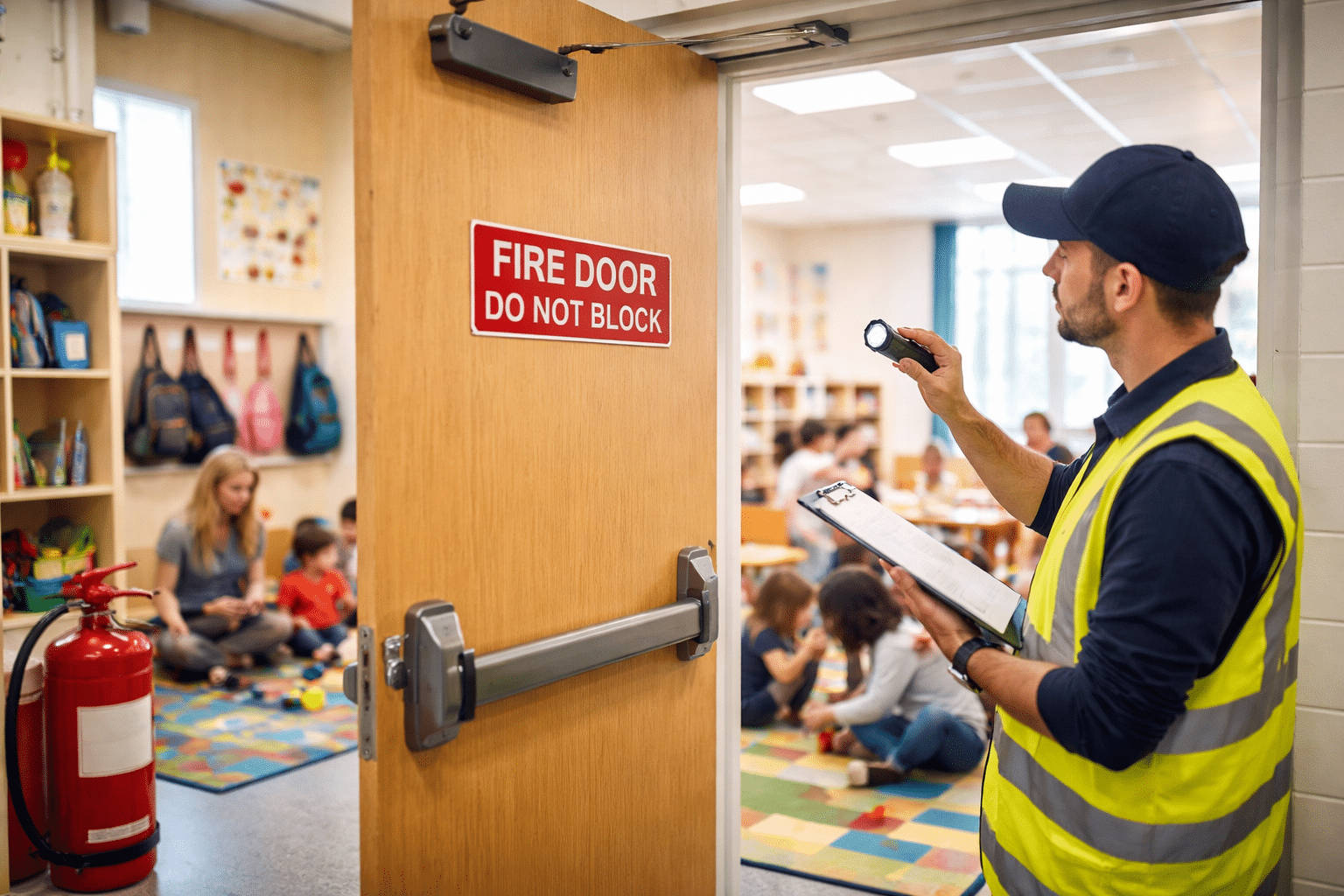
A fit out often swaps door leaves, adds view panels, or changes hardware finishes. If the doorway sits on a rated boundary as part of fire compartmentation, you need the right fire door set with matching hardware. The leaf, frame, hinges, closer, lock and seals must be compatible, with evidence to prove it. When in doubt, ask for documentation that matches the exact models you plan to use.
- Ceiling and bulkhead adjustments
Lowered ceilings and feature bulkheads can cut into a rated wall or create voids that bypass it, undermining fire compartmentation. Make sure the fire rated line reaches the slab or is otherwise properly sealed. Coordination between plasterboard trades and services is key.
- Service risers and cupboards
Risers and plant rooms are high risk in fire compartmentation. Unclosed gaps, missing sealant depth or ad hoc foam can kill the rating. Plan for neat, labelled penetrations and take photos before closing up walls.
- Site variations
Fit outs change quickly. A late request for extra power points or a relocated sink can punch fresh holes. Track variations and re-check fire compartmentation after each change.
A simple process that keeps you compliant
Start with intent
Ask the base building team for the latest fire strategy, drawings and any performance solutions. Highlight the walls and floors that form the compartment lines. Share that markup with the whole team, not just the consultant.
Plan the penetrations
List every service that will cross a rated barrier. For each, select a tested fire stopping system. Record the system reference, installation steps and required materials in a single schedule so the site team can follow it.
Control the doors
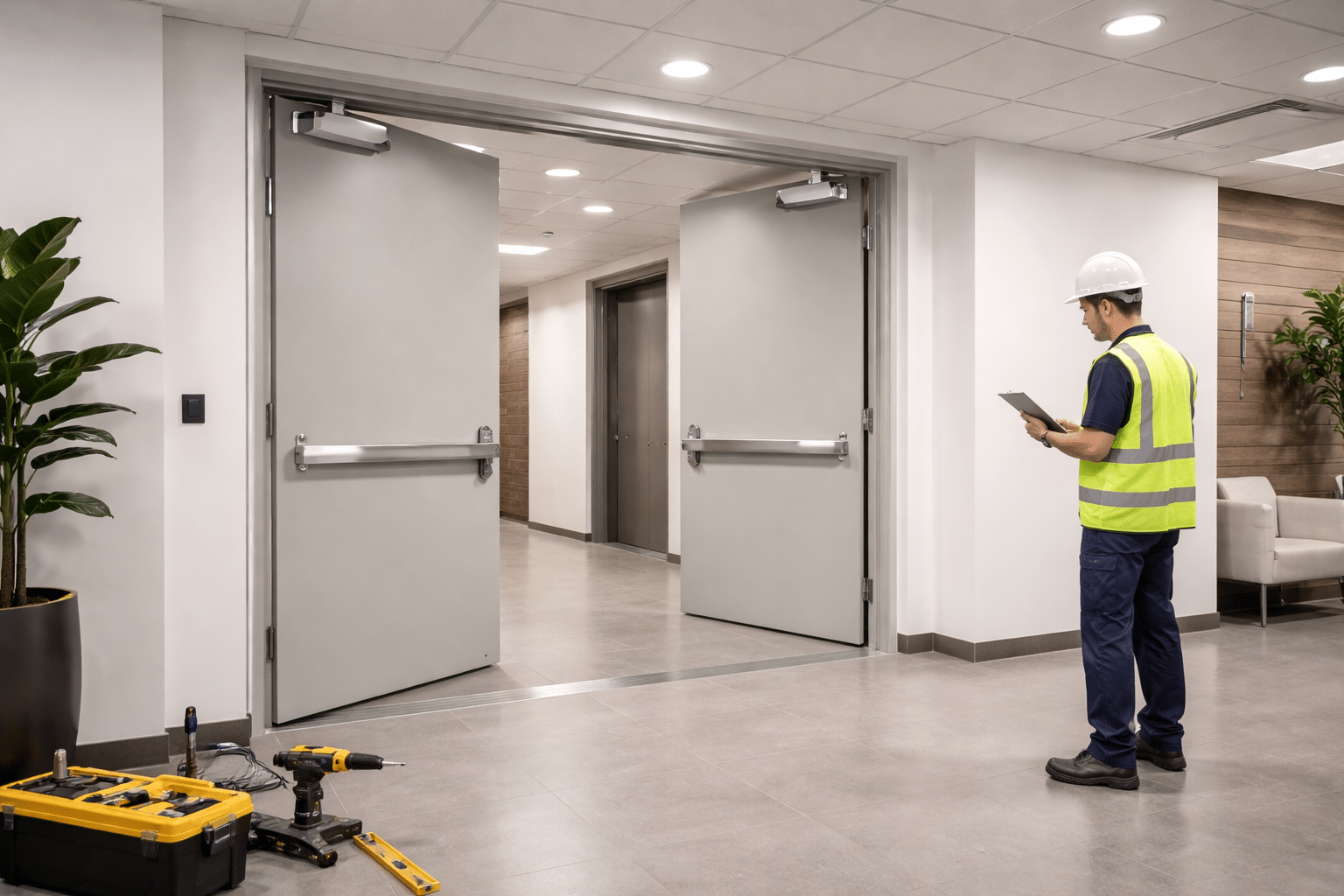
Where a rated boundary includes doors, specify certified fire door sets with compatible hardware. Thicker seals, the correct closer size and listed viewers or kick plates matter. Capture model numbers and approvals in the door schedule so procurement does not substitute untested parts late in the job.
Build it right
During installation, keep it clean. Cut penetrations to suit the system size, not the other way around. Install backing materials, wraps or collars as specified. Use the right sealant depth and tooling. For doors, check hinge screws, closer speed and latch engagement so the door self closes and stays latched every time.
Prove it
Take time stamped photos, note batch numbers and keep certificates on file. At practical completion, provide a neat folder or share drive link with drawings, schedules, photos and product data. This supports AFSS and makes the next tenancy change smoother too, a common need for property teams working across portfolios.
Roles and responsibilities
- Designers mark the rated lines and specilders coordinate trades so fire compartmentation is maintained end to end.
- Services contractors install penetrations using listed systems and provide photos.
- Door specialists supply and install door sets that match the approvals and ensure the self closing and latching function is set correctly.
- Building managers keep the records together and arrange the required inspections.
Sharing the plan early avoids conflict on site and reduces rework. It also creates a common language between the fit out team and the base building owner.
Practical checklist for your next fit out
- Confirm the rated walls, floors and ceilings on the latest drawings.
- Flag every doorway that sits in a boundary and confirm it is a fire door set.
- Map all new penetrations and assign a tested solution to each one.
- Order the approved collars, wraps, sealants and backing materials before cutting.
- Brief the site team, including night shift and weekend crews, so no one improvises.
- Photograph every penetration with a ruler to show size and depth.
- Label penetrations so future trades know what system is installed.
- Test fire doors for self closing and latching before handover.
- Package drawings, approvals and photos into one share link for the manager.
How this links to other protections
Fire compartmentation works together with detection, alarms, sprinklers and good housekeeping. But it does a special job that nothing else can do. If a boundary is compromised, smoke and heat can move faster than expected, evacuation paths can be blocked, and fire fighters face greater risk. Keeping the barriers intact buys precious time and limits damage.
Australian context in plain English
In Australia, fire rated doors, walls and penetration seals rely on test evidence that shows how a product performs. When you change a door leaf, move a hinge, or pack a pipe with the wrong material, you may step outside that evidence. Staying within tested details is the easiest way to meet your obligations, control costs and keep your AFSS on track. That is why our clients look for reliable partners who respond quickly, maintain clear records and understand the standards without the jargon.