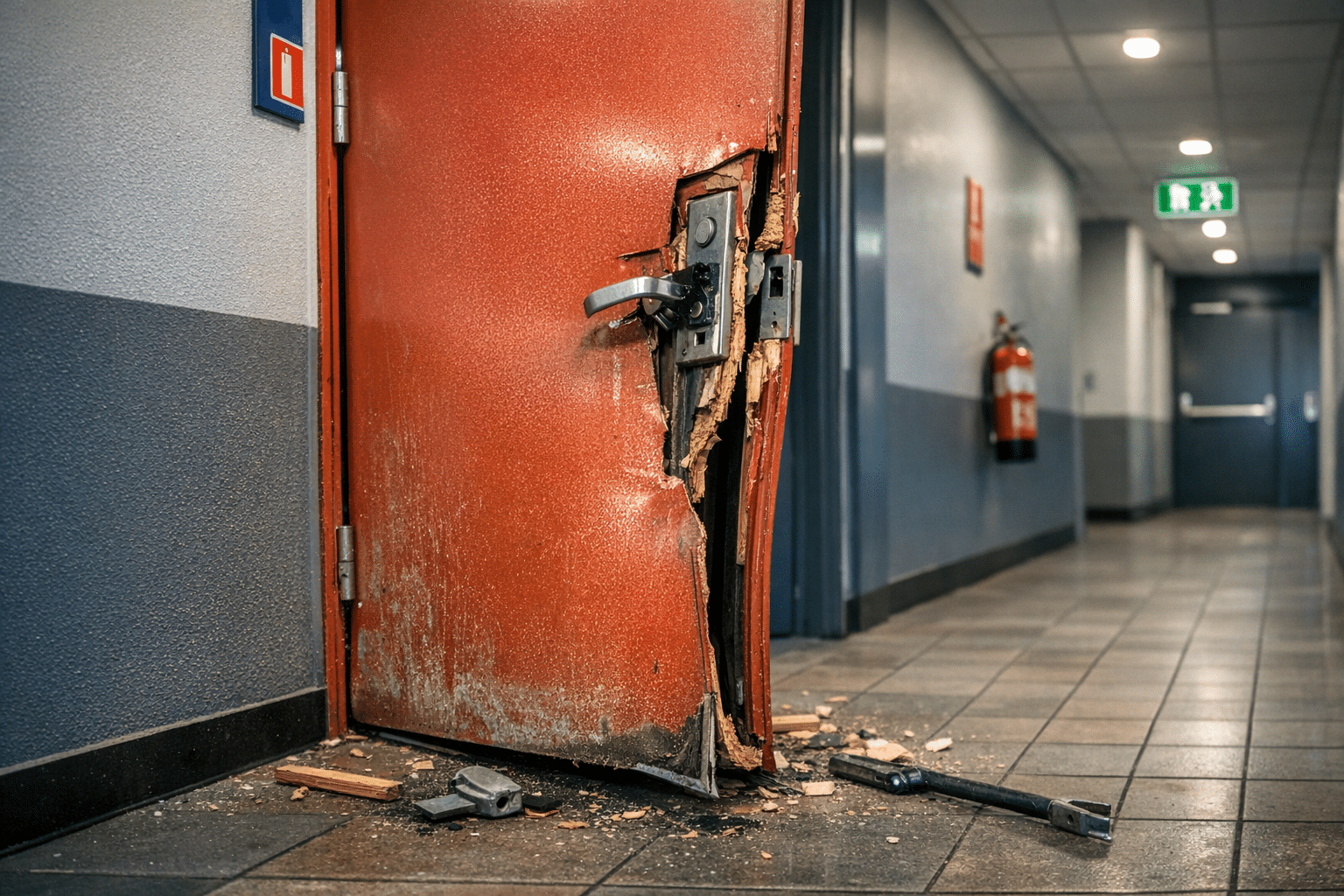
Break-In Damage: Steps After a Fire Door Break-In
Break-in damage to a fire door needs fast attention, even if the scene looks minor at first glance. A dented leaf, bent frame, forced lock, broken closer, or missing seals…

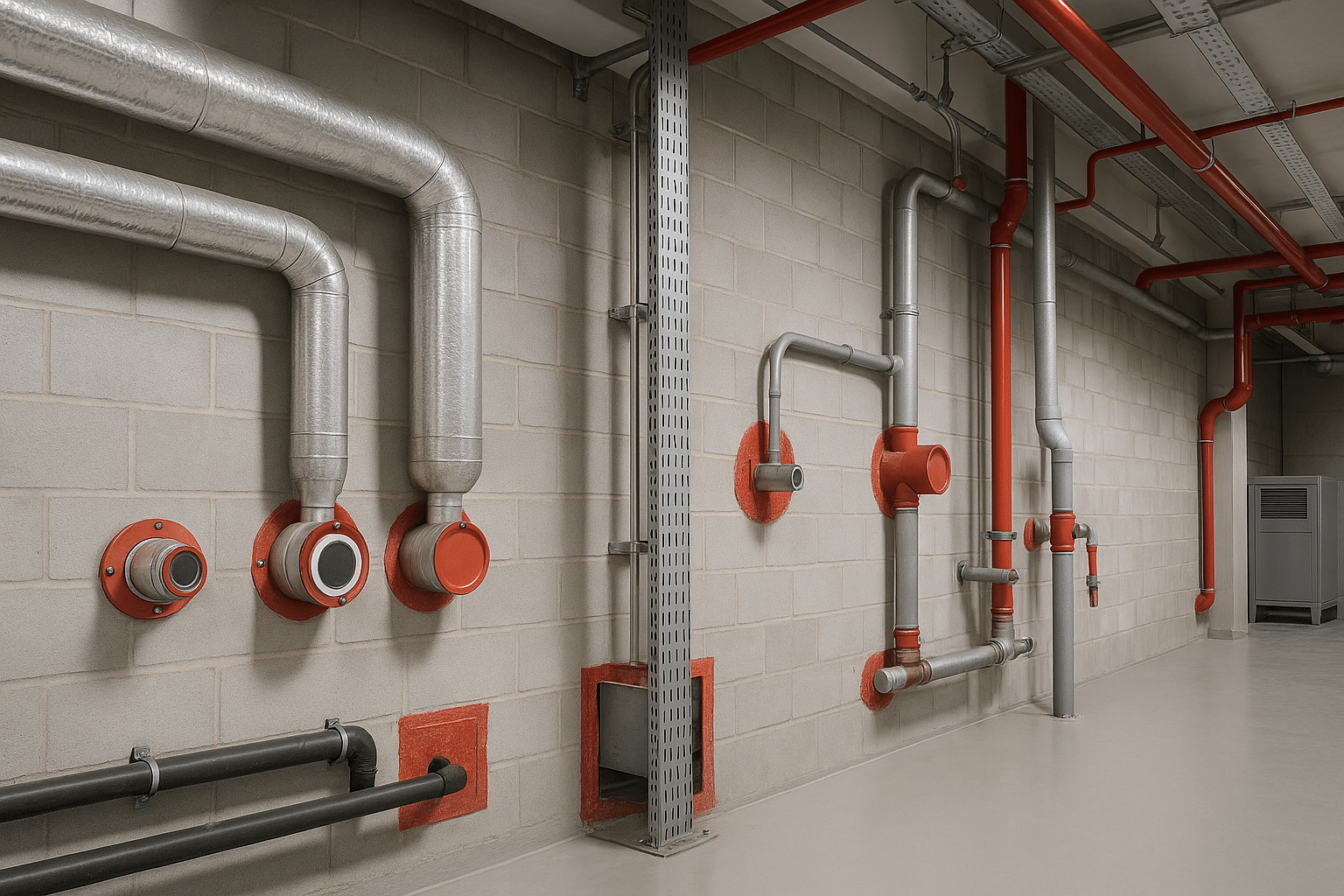
Fire stopping sits quietly behind the scenes, but it can be the difference between a contained incident and a major shutdown across multiple floors. If you look after a plant room or a riser, you already know these spaces are busy highways for services. When fire tries to piggyback on those openings, your building needs proven barriers to stop it in its tracks.
Plant rooms are the beating heart of a building. They house the gear that keeps everything humming along, from electrical switchboards to HVAC equipment and pumps. Risers are the vertical shafts that run through the structure and carry power, data, water, gas and HVAC from bottom to top. Because they connect many areas, they can also act like chimneys for heat and smoke if not properly sealed. That is where Fire Stopping earns its keep.
Think of fire like water. It looks for the easiest path to spread. Every time a pipe, cable or duct pierces a wall or floor, it creates a little doorway. Fire stopping closes that doorway while still letting the pipe or cable do its job. It uses tested materials such as sealants, collars, wraps and boards to restore the fire rating of the wall or slab. In short, these products buy people time to evacuate and buy first responders time to do their work.
Even tidy plant rooms and risers can hide issues. Here are the usual suspects that Fire Stopping helps tame:
If any of these sound familiar, you are not alone. Many buildings evolve quickly. The trick is keeping the fire barrier intact each time something changes.
Quality fire stopping is not random goop around a pipe. It is a tested system installed as per the manufacturer’s details. Good practice includes:
That last point is crucial. Clear labelling turns a mystery hole into a known, compliant penetration that maintenance teams can check in seconds.
Here are avoidable errors that often lead to noncompliance:
A small fix now can save days of disruption later, especially in live commercial settings.
Projects move quickly, and services often shift late in the game. The best approach is to plan fire stopping early, then protect penetrations during the rush to completion. For retrofits, start with a visual sweep of plant rooms and risers, then prioritise anything that links multiple floors or critical systems. A simple register will help track progress and support your annual statements.
Not all sealants and collars are created equal. Look for products with test evidence that matches your situation. Consider:
An installer experienced in fire stopping will pair the right system with each scenario, rather than forcing one product to do every job.
Once installed, fire stopping should be easy to live with. Include it in routine inspections alongside fire doors and other essential services. Walk each riser and plant room, read the labels and note any new or altered services. If a contractor creates a new opening, make it standard practice to reseal and relabel before the job is closed out. This habit keeps compliance steady and avoids that last minute scramble before audits.
Here is a fast way to lift your standards this month:
This checklist is small enough to start right away and powerful enough to reduce risk across the building.
When a fire is contained to its room or floor, people are safer and business downtime is shorter. Elevators can return to service sooner. Tenants get back to work. Insurance conversations are simpler. fire stopping is not just a tick in a box. It is a practical way to keep heat and smoke from turning a minor incident into a major one.
Comprehensive Fire Services focuses on practical, compliant solutions for commercial and strata clients across Sydney. Our team works with building and strata managers who need reliable outcomes without endless back and forth. We can assess risers and plant rooms, specify appropriate fire stopping systems, install them neatly, label clearly and provide the documentation you need for your annual statements. If we find related issues like noncompliant fire doors or hardware, we can help there too, keeping everything under one accountable roof.
Need a hand?
Call Now: 0418 749 488
Contact Us: https://www.firedoorspecialists.com.au/contact-us/
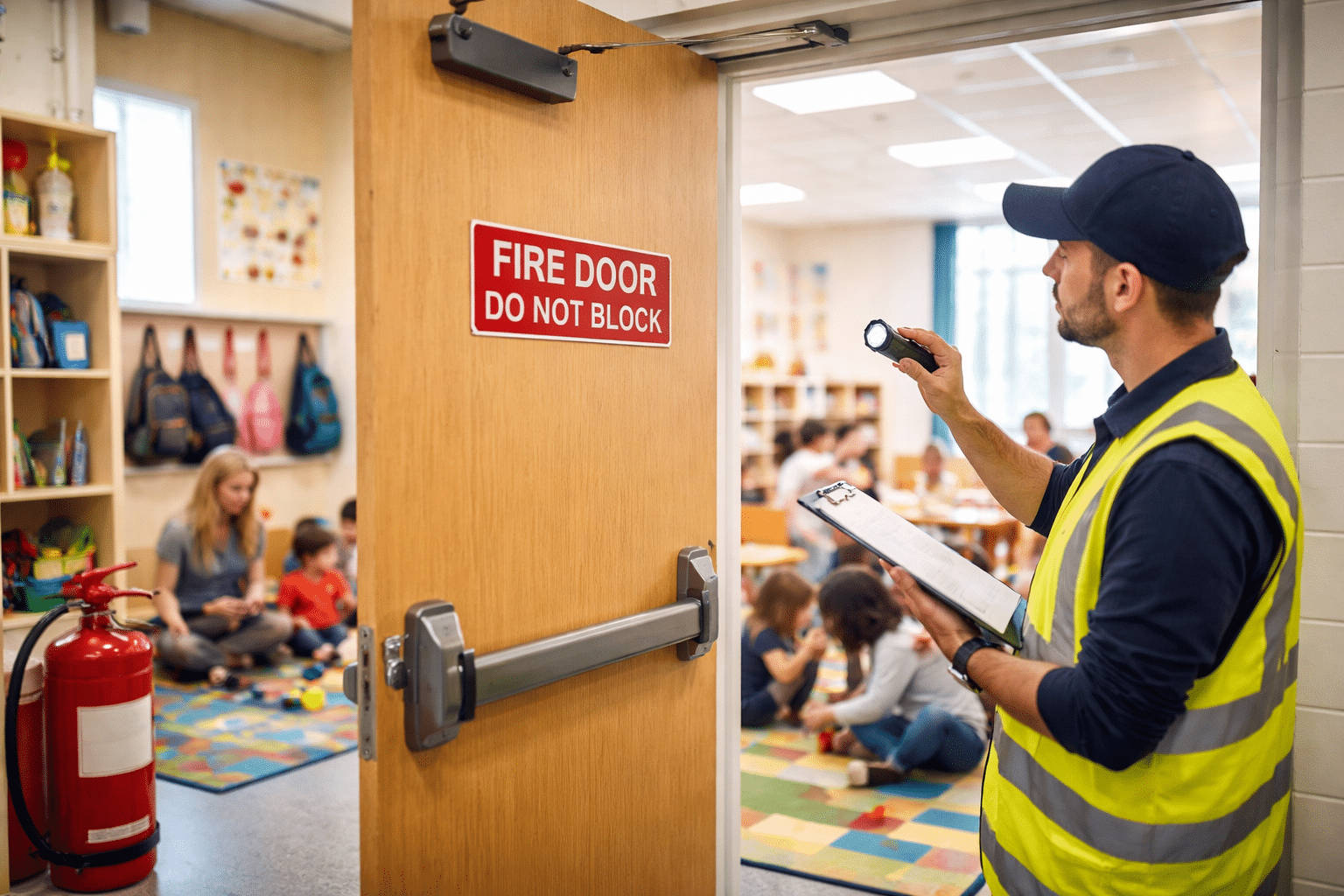
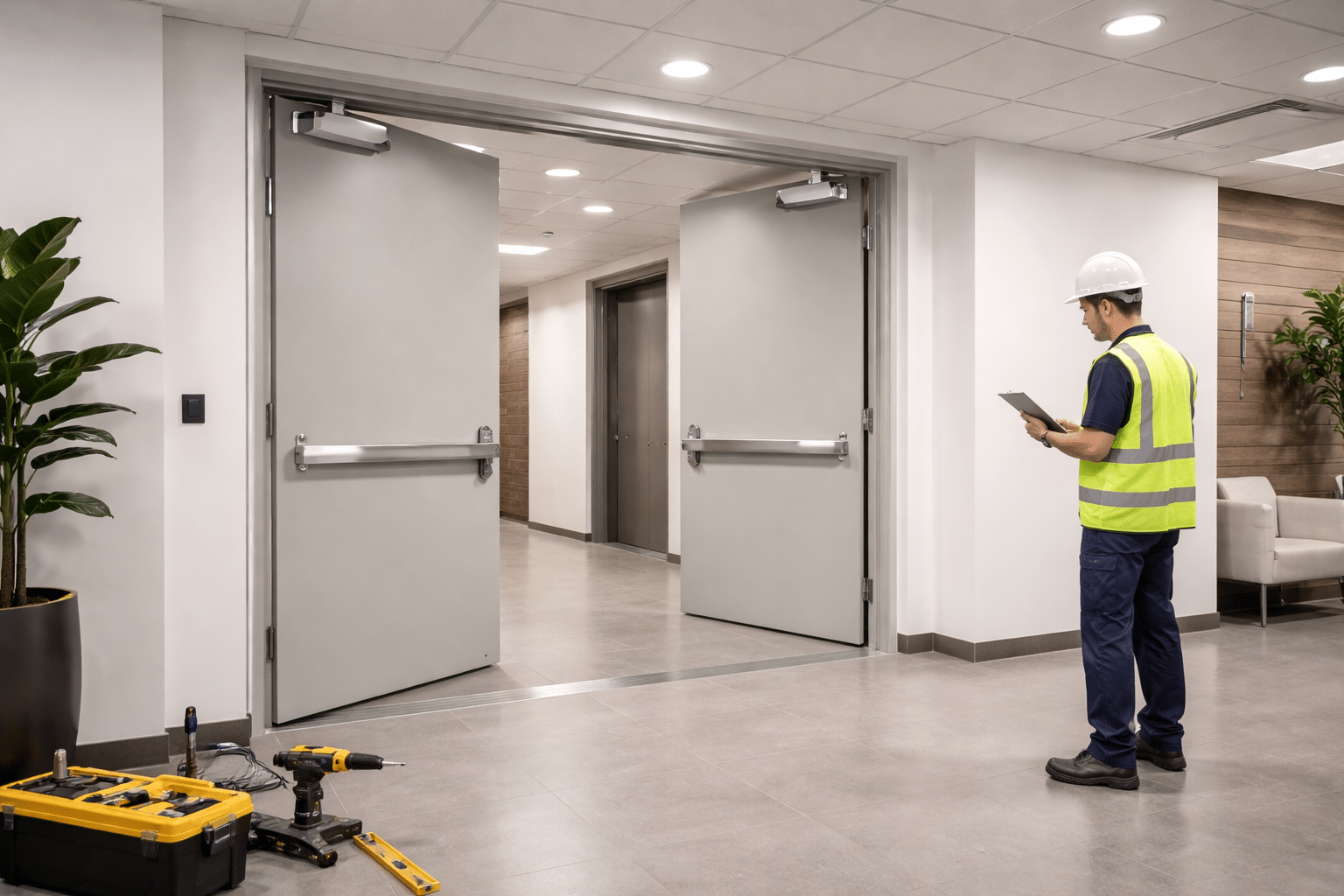



FPAS Accreditation Number: F055161A
We are committed to delivering the highest level of professionalism and compliance in the fire protection industry. As part of this commitment, our team holds accreditation under the Fire Protection Accreditation Scheme (FPAS) — the national accreditation framework developed by Fire Protection Association Australia (FPA Australia).

Phone: 0418 749 488
Fax: 02 4648 5386
Email: [email protected]
© 2026 Comprehensive Fire Service - Website by BSharp Tech