Heritage buildings deserve thoughtful fire safety that respects their story while protecting people today. This guide shows practical ways to meet fire door rules without harming original fabric, so you can pass audits and preserve character at the same time.
If you manage a site on a heritage register or with heritage-like values, the basics do not change. Fire doors must meet the National Construction Code and relevant Australian Standards. The difference is how you plan, document and execute the works. With care and the right specialists, you can bring doors up to standard and keep authentic features in place. Heritage buildings can have hidden constraints that make simple jobs complex, which is why a step by step approach is best.
What makes heritage fire doors tricky
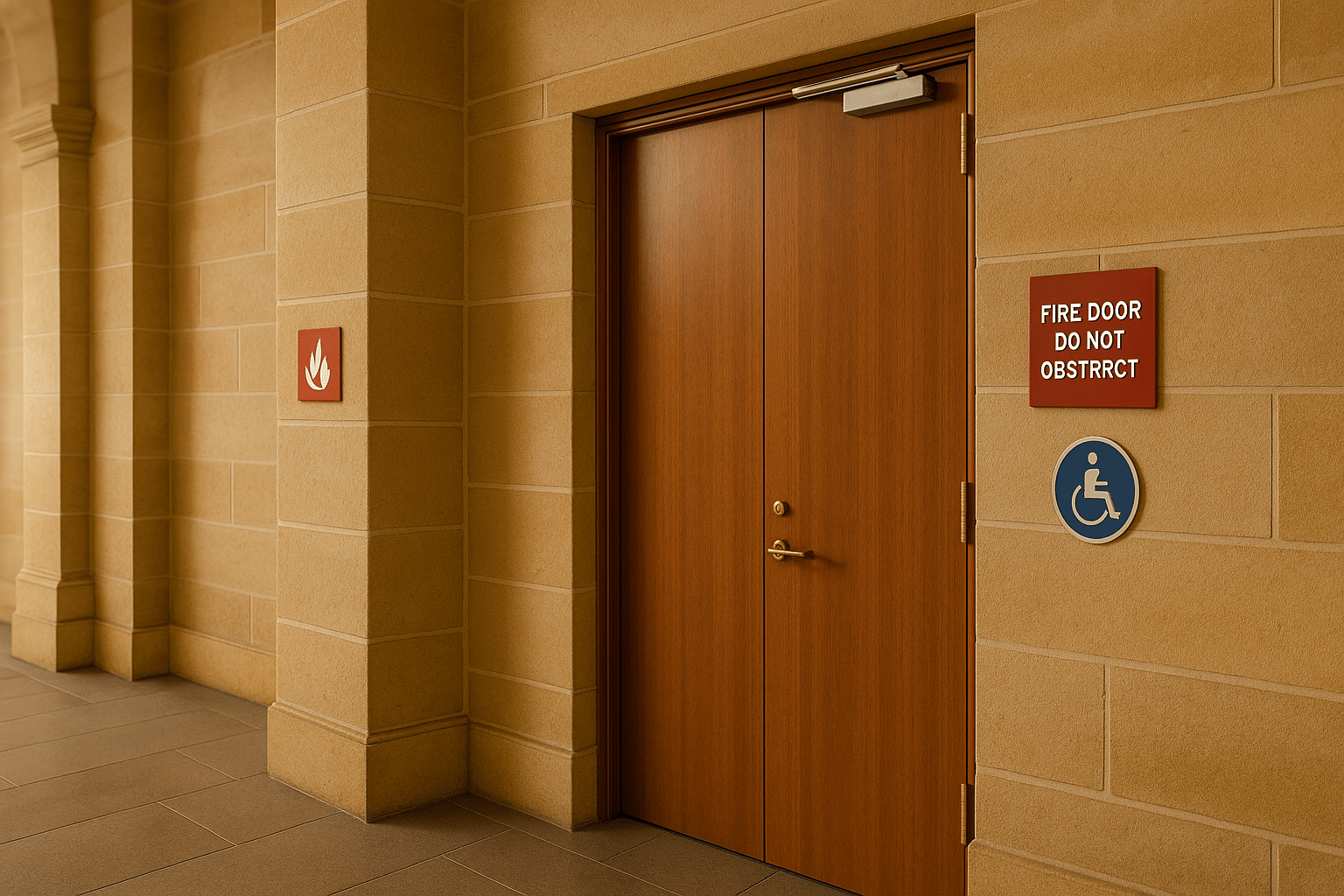
Older openings rarely match modern sizes. Frames may be out of square. Historic ironmongery can clash with certified hardware. Finishes like timber veneers, mouldings and stained glass need protection. Heritage buildings also tend to have community value, so any visual change draws attention. Your goal is to achieve performance without heavy visual impact.
Start with a non destructive assessment
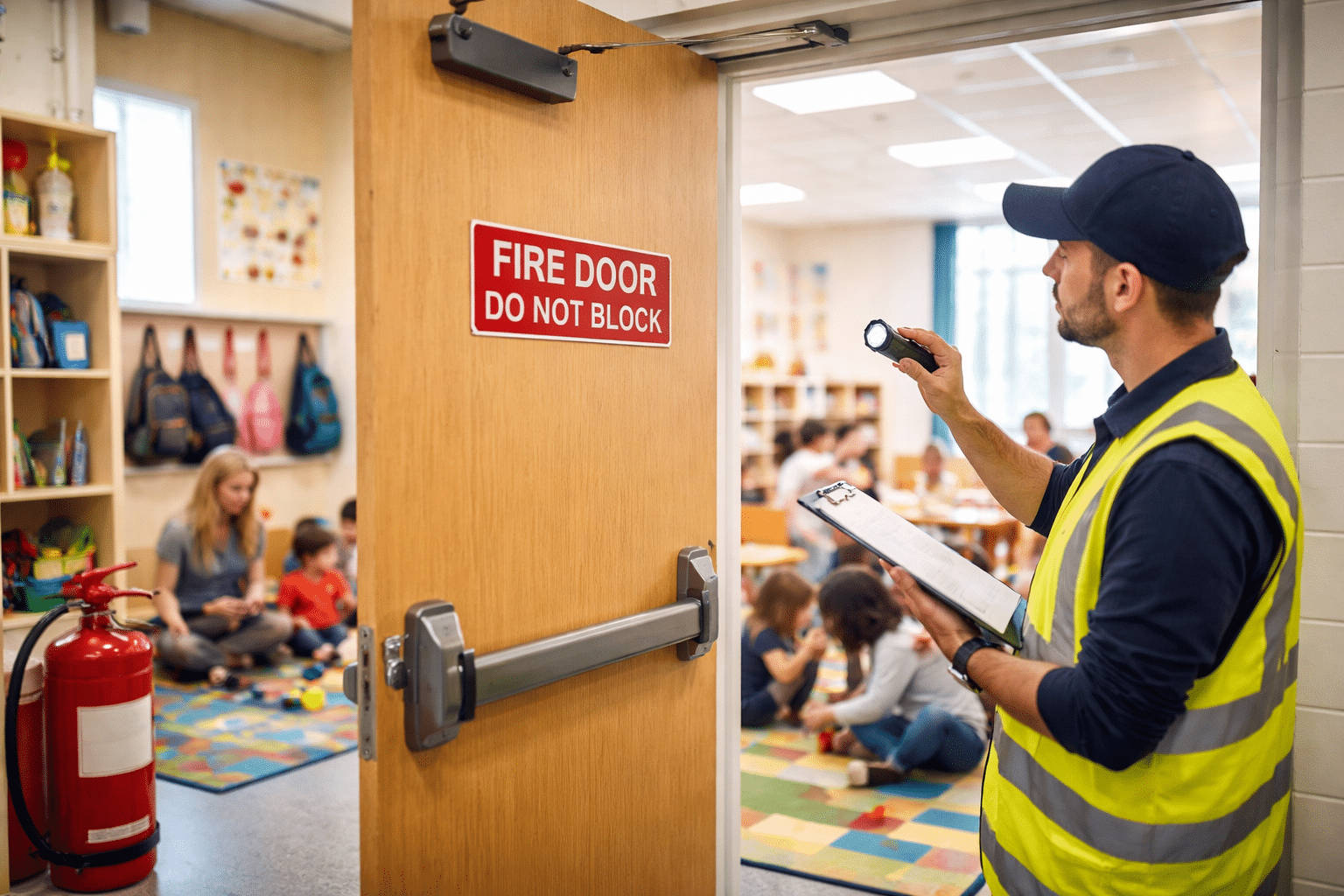
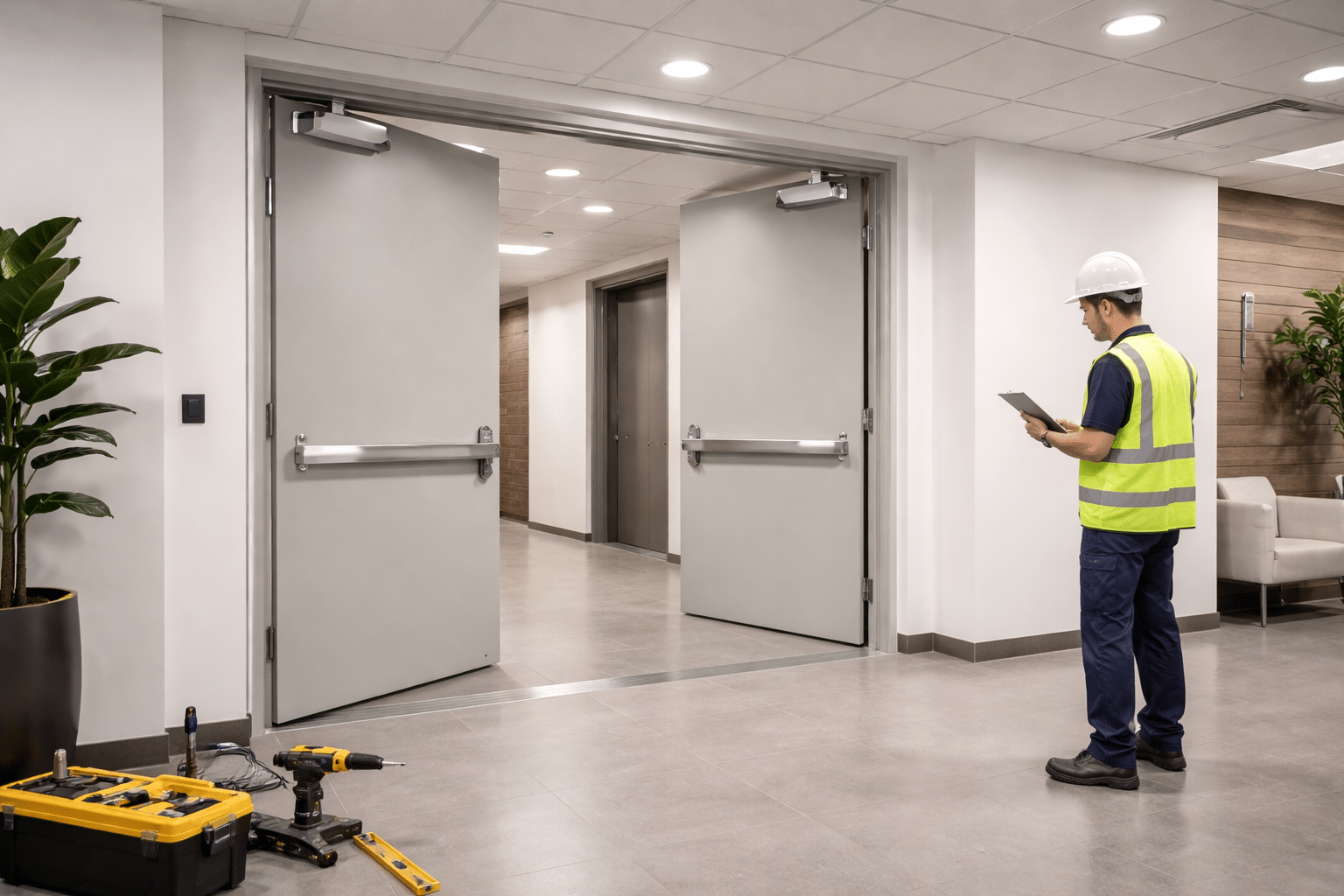
Begin with a door schedule that lists each door by location, size and leaf type. Capture clear photos and note gaps, seals, closer operation and latch engagement. Measure frame condition and check for past alterations. Heritage buildings respond well to non invasive testing, so prefer feeler gauges, smoke pencils and gap cards over cutting or drilling. Build an asset register that records every finding and proposed fix.
Know the rules and the room for discretion
Fire doors must be certified assemblies with matching frame, leaf and hardware. The door and frame need the correct tag or label, self closing action and latching. The leaf to frame gaps should meet the tested configuration. Heritage buildings sometimes cannot accept a full rip and replace solution because it would damage significant elements. In such cases, seek guidance from the heritage authority and a fire engineer. Performance solutions may be available if you can evidence equal or better safety.
Low impact fixes that preserve character
- Intumescent seals and acoustic smoke seals
Use surface mounted seals that match the colour of the leaf or frame. This reduces visual contrast. Heritage buildings benefit from products that can be removed later without scarring, so specify reversible adhesives where possible.
- Concealed or slimline door closers
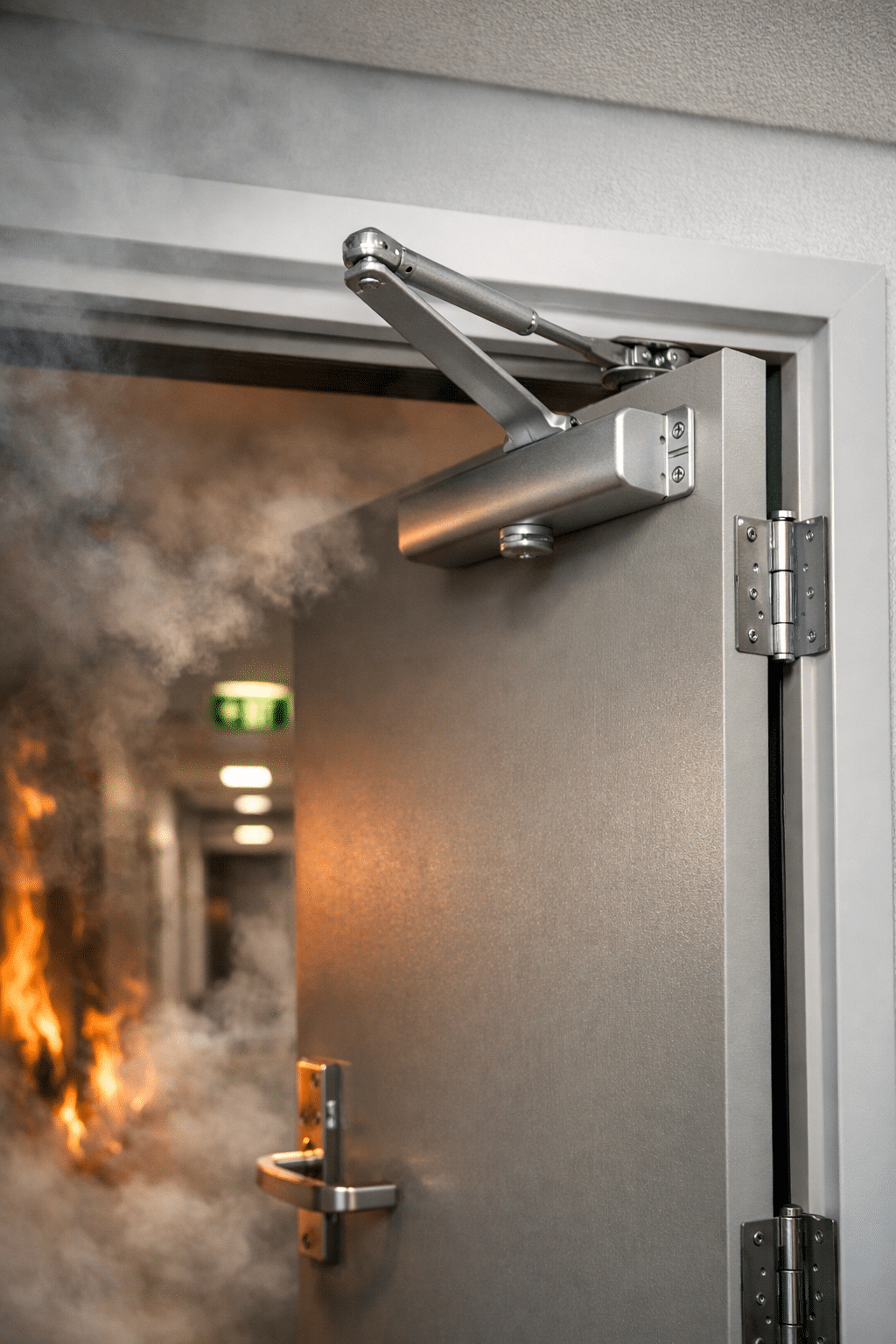
Choose closer models with small profiles or concealed tracks. Adjust closing speed to avoid slamming. Many doors only need fine tuning to latch reliably. For Heritage buildings this avoids bulky hardware that looks out of place.
- Certified hinges and latches that mimic period styles
Select compliant hardware in finishes that match existing knobs and plates. Some suppliers offer heritage style roses and levers that pair with tested latching sets. This helps Heritage buildings keep their period look while meeting standards.
- Frame repair instead of replacement
Resin repairs, dutchman patches and steel angle reinforcement can stabilise frames. If a frame is significant, consider lining the throat with a certified steel section to achieve the correct profile. Heritage buildings gain safety without losing original timber.
- Gap remediation
Plane and refinish only where you can maintain thickness and integrity. Where planing is not possible, use certified edge trims. Document every change so future custodians can track what was done to heritage buildings under your care.
Finishes that satisfy conservation aims
Strip lead paint safely and refinish with compatible coatings. Match stains and sheens to nearby elements. Avoid thick skins or laminates that may alter clearances. When reproducing panels or beads, copy the profile from an adjacent door. Heritage buildings look best when repairs are visually quiet and technically correct.
Approvals and stakeholders
Engage early with the building owner, the heritage consultant and the fire safety practitioner. Confirm whether the building is listed at local, state or national level. Map what qualifies as significant fabric and what can be replaced in kind. Heritage buildings often sit within strata schemes, so provide simple briefs and pricing options that reveal cost versus impact. Include drawings, cut sheets and pictures of proposed hardware.
Documentation that saves time at AFSS
Create an evidence pack with before and after photos, product certificates, installer licences and maintenance instructions. Keep a copy of the door schedule and asset register. Tag each door with the correct label and ensure the tag is visible but discreet. Heritage buildings should have a master folder that future managers can use without guesswork. This makes annual statements smoother and reduces repeat site visits.
Maintenance that protects your investment
Fire doors are not set and forget. Test closers quarterly, check seals for compression set and keep thresholds free of debris. Train cleaners and security staff to avoid wedges and hooks. Heritage buildings respond well to gentle maintenance plans that prevent heavy interventions later. A little care today avoids expensive conservation works tomorrow.
When replacement is the only option
Sometimes a door is too damaged or altered to meet the required rating. In those cases, order a certified assembly built to match the original appearance. Replicate rails, stiles and mouldings, then paint or stain to blend with the corridor. Keep the original door leaf in storage if required by the conservation plan. Heritage buildings can still look authentic with new door sets when you respect the original design language.
A quick checklist for low impact compliance
- Confirm listing status and engage a heritage advisor
- Build a full door schedule with photos and measurements
- Decide where repairs will outperform replacement
- Select compliant hardware with heritage friendly finishes
- Plan for concealed or slimline closers and suitable seals
- Protect finishes during works and match coatings on completion
- Tag and document each door and store certificates securely
- Train the site team on correct door use and weekly checks
Heritage buildings do not need to choose between safety and authenticity. With careful planning, the right products and skilled installers, you can meet code, pass audits and keep the building’s story alive for future generations. If you want help translating this into a scope of works, Comprehensive Fire Services can assess your doors, propose low impact solutions, coordinate approvals and deliver neat, certified results that suit the character of your site. We work across NSW and understand the fine balance that Heritage Buildings require from start to finish.