Passive fire protection is one of those terms that might sound technical at first, but it plays a huge role in keeping buildings and the people inside them safe. Unlike active systems like sprinklers and alarms that leap into action when a fire breaks out, passive measures are quietly at work all the time. They’re the behind-the-scenes guardians that limit the spread of fire and smoke, giving people precious time to escape and helping emergency crews do their job more effectively.
In this article, we’ll break down exactly what passive fire protection is, why it’s critical for compliance, and how property managers, builders, and businesses can use it to protect people and property.
What is Passive Fire Protection?
Passive Fire Protection (PFP) refers to the built-in fire safety features of a building that don’t require activation during an emergency. Think of fire-rated doors, walls, floors, and fire-stopping products that contain a blaze in one part of a building instead of allowing it to spread everywhere.
The main goal is compartmentalisation: dividing a building into fire-resistant sections. If a fire starts in one area, PFP ensures that the flames and smoke are slowed down, giving everyone a safer way out.
Why It Matters for Compliance
For anyone managing a strata property, shopping centre, high-rise, or industrial site, passive fire protection isn’t just about safety. It’s also about compliance. In Australia, buildings must meet strict regulations, such as AS1905.1 standards for fire doors and related systems.
Failing to meet these requirements can result in hefty fines, legal risks, and most importantly, unsafe conditions for tenants, workers, or visitors. Building managers and owners need documented proof of compliance, which makes regular inspections and professional certification non-negotiable.
Key Elements of PFP
Here are some of the most common and critical features:
1. Fire Doors
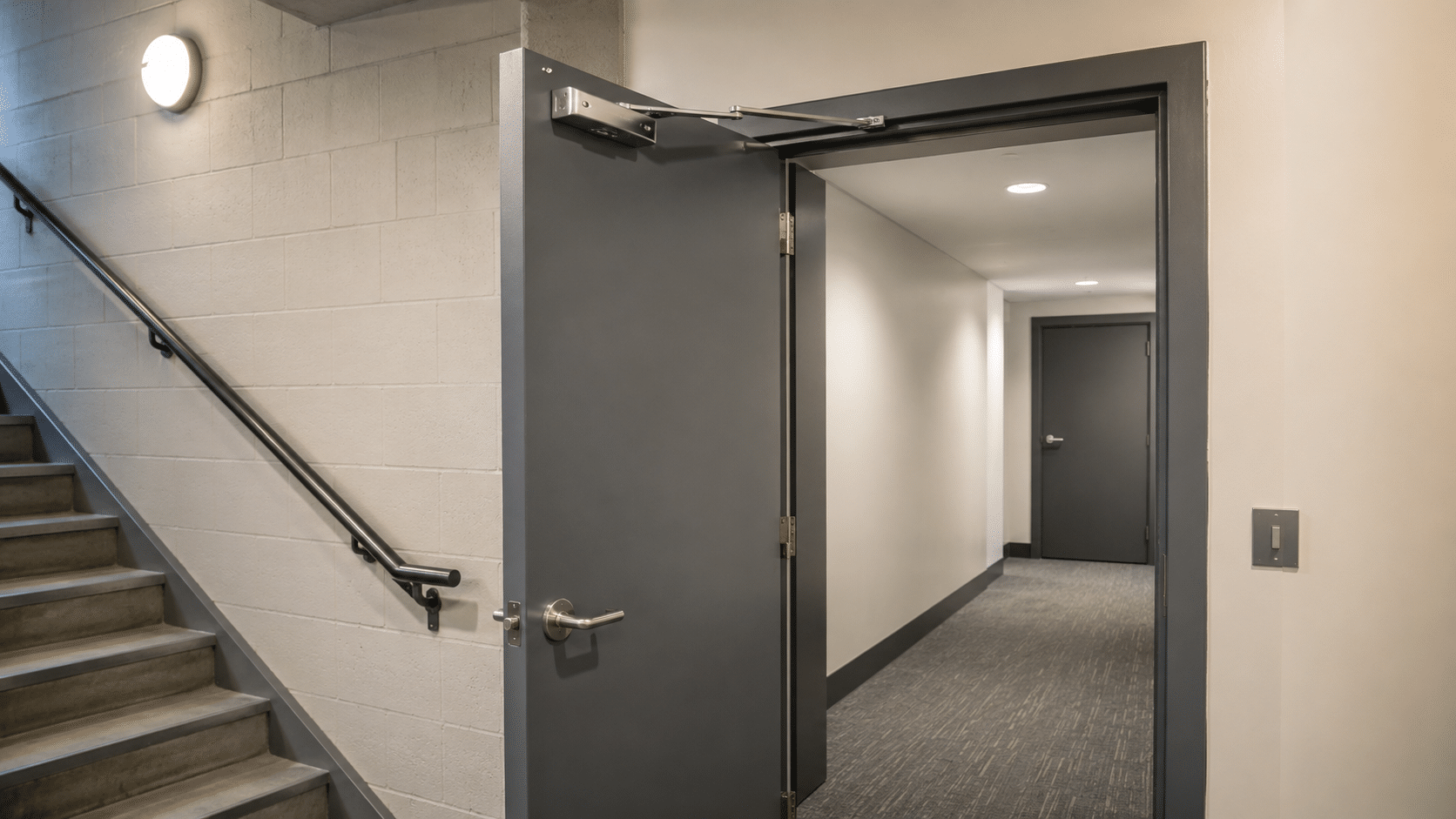
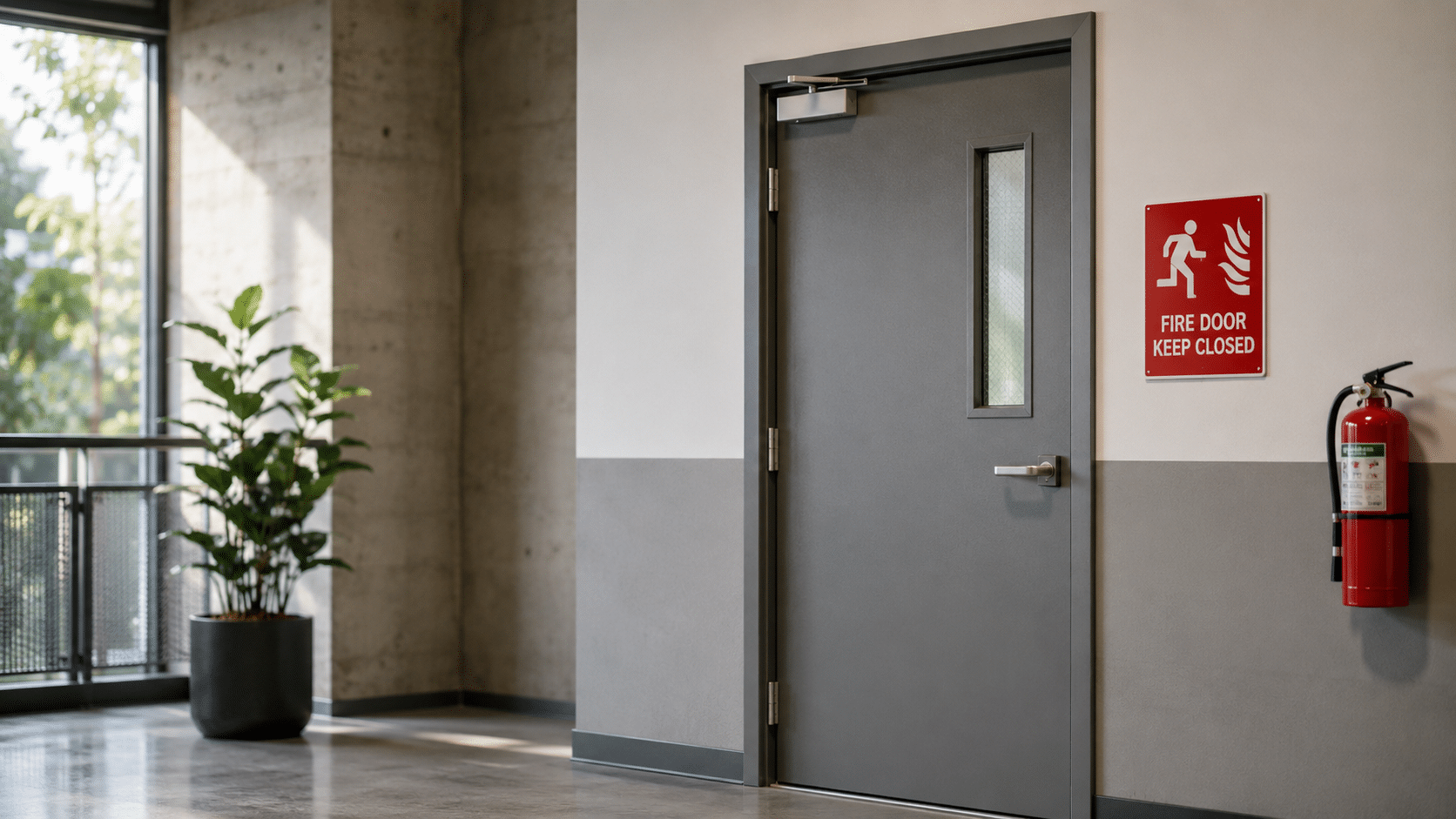
Fire doors are specially designed to withstand fire for a set period, often one to four hours. They not only block flames and smoke but also automatically close to secure building compartments. Without fire doors, evacuation routes could quickly fill with smoke, making escape dangerous or impossible.
2. Fire Stopping
Fire stopping includes products like sealants, collars, and wraps used around service penetrations (think pipes and cables that pass through walls and floors). Without these barriers, fire and smoke could spread rapidly through the smallest gaps.
3. Fire-Rated Walls and Floors
These structural elements form the backbone of compartmentalisation. Their role is to resist fire long enough for people to escape and for firefighters to control the situation.
4. Fire-Rated Hardware
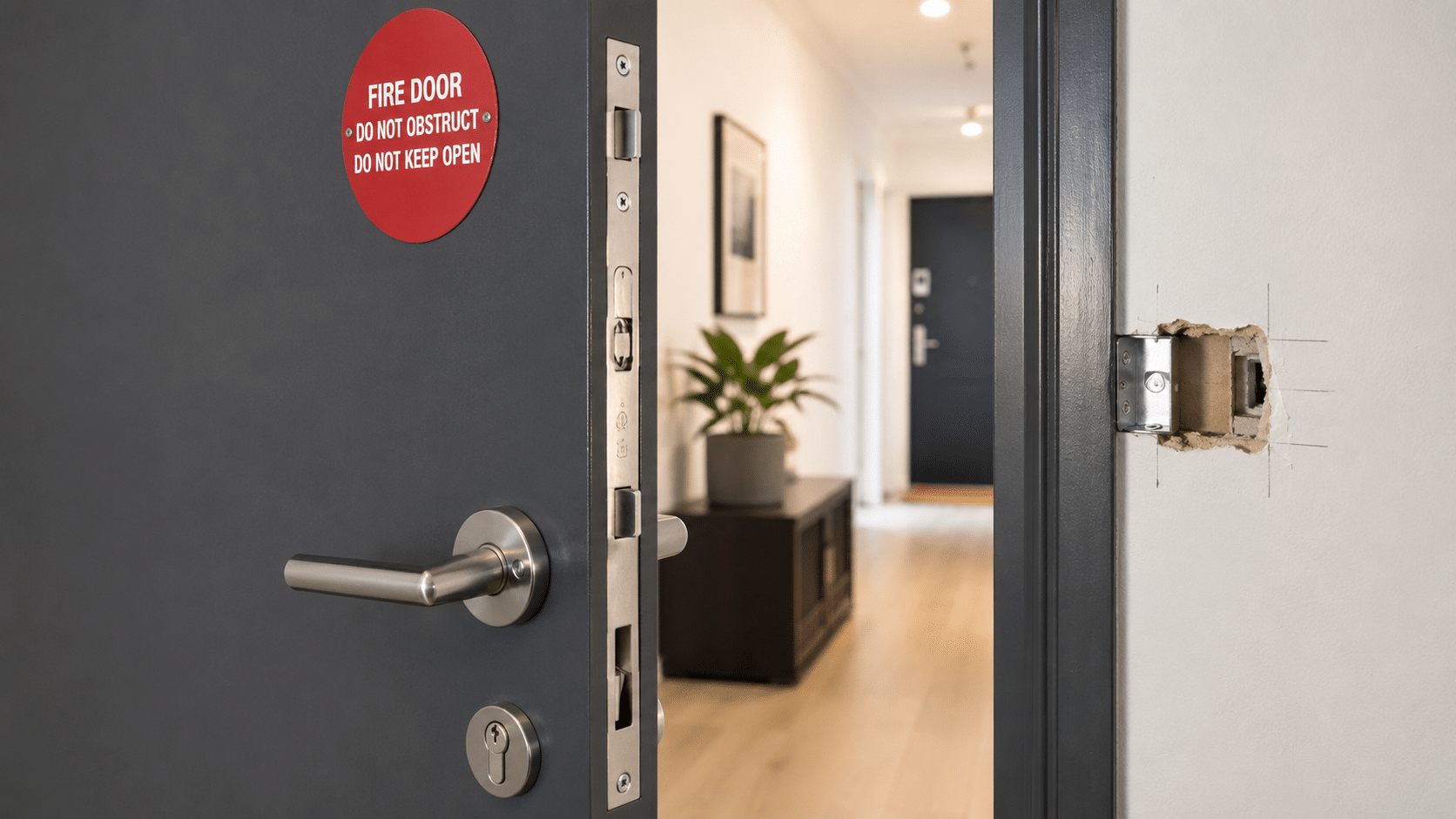
Door closers, locks, and hinges may not sound exciting, but they’re crucial. If a fire door can’t close properly, its rating is meaningless. Hardware must be tested and certified to meet standards.
The Cost of Neglecting Fire Protection
Cutting corners on passive fire protection can have devastating consequences. Imagine a high-rise where one faulty fire door allows smoke to fill a stairwell. Suddenly, dozens of people have no safe exit.
Neglect also creates financial headaches. Non-compliance may trigger penalties, void insurance policies, or cause costly project delays. In some cases, building owners face lawsuits when fire safety failures result in injury or loss.
Benefits Beyond Compliance
While compliance is mandatory, the benefits go well beyond avoiding fines.
- Life Safety: PFP protects occupants by buying time during evacuation.
- Asset Protection: Limiting fire spread reduces damage to the building and contents.
- Business Continuity: A contained fire is far less disruptive than one that tears through multiple sections of a property.
- Peace of Mind: Building managers and owners can feel confident knowing they’ve done everything possible to reduce risk.
Common Misconceptions
- “Sprinklers are enough.”
Active fire systems are essential, but without passive fire protection, they’re only half the solution.
- “It’s only needed in high-rises.”
Every type of building benefits from PFP. Fires don’t discriminate between small offices and massive industrial sites.
- “Once installed, it’s good forever.”
Regular inspections and maintenance are vital. Even the best fire doors and seals degrade over time.
Who Needs PFP Most?
According to our experience at CFS, the sectors most reliant on passive fire protection include:
- Strata and property managers juggling compliance for multiple residential and commercial buildings.
- Industrial property managers dealing with strict regulations and high-risk environments.
- Construction companies that must deliver compliant new builds and renovations.
- Fire safety companies that outsource fire door installation and maintenance to specialists.
These professionals all share one thing in common: a need for long-term, reliable solutions that keep them compliant and their buildings safe.
The Role of Regular Inspections
Just like a car needs servicing, passive fire protection systems require regular checks. Annual Fire Safety Statements (AFSS) demand up-to-date documentation proving that fire doors, seals, and fire stopping materials are performing as expected.
Routine inspections uncover problems like damaged seals, warped doors, or missing hardware. Addressing these issues early avoids bigger headaches down the track.
How CFS Can Help
At Comprehensive Fire Services, we specialise in fire door supply, installation, maintenance, and compliance checks. Our team ensures that your passive fire protection systems meet Australian standards and remain reliable year after year.
Whether you’re managing a high-rise, overseeing a shopping centre, or delivering a new construction project, CFS can partner with you to safeguard lives, protect property, and make compliance simple.
Final Word
Passive fire protection may not always be visible, but it’s absolutely essential. From fire doors to fire stopping, these measures form the backbone of a safe building. For property managers, builders, and compliance officers, understanding and maintaining PFP isn’t just a legal requirement, it’s a responsibility to the people who live, work, and visit these spaces every day.
👉 Ready to safeguard your building? Call us today on 0418 749 488 or contact us online to book your compliance check or maintenance service.