Testing and certification is easier than you might think. If you manage an apartment block, a commercial site or a mixed-use building, you already juggle a lot. This guide breaks down the essentials in plain language so you can keep people safe, satisfy legal obligations and avoid nasty surprises during audits. By the end, you will know what gets checked, when to book inspections, what paperwork to keep and how to prepare like a pro.
What do these terms actually mean?
Testing and certification refer to two related tasks. Testing is the hands-on inspection of fire doors, frames and hardware to confirm they perform as designed. Certification is the written proof that your doors meet the relevant standards and are fit for purpose. In practice, you cannot have one without the other. The inspection gives you facts. The certificate gives you evidence for insurers, auditors and council.
Why it matters for your building
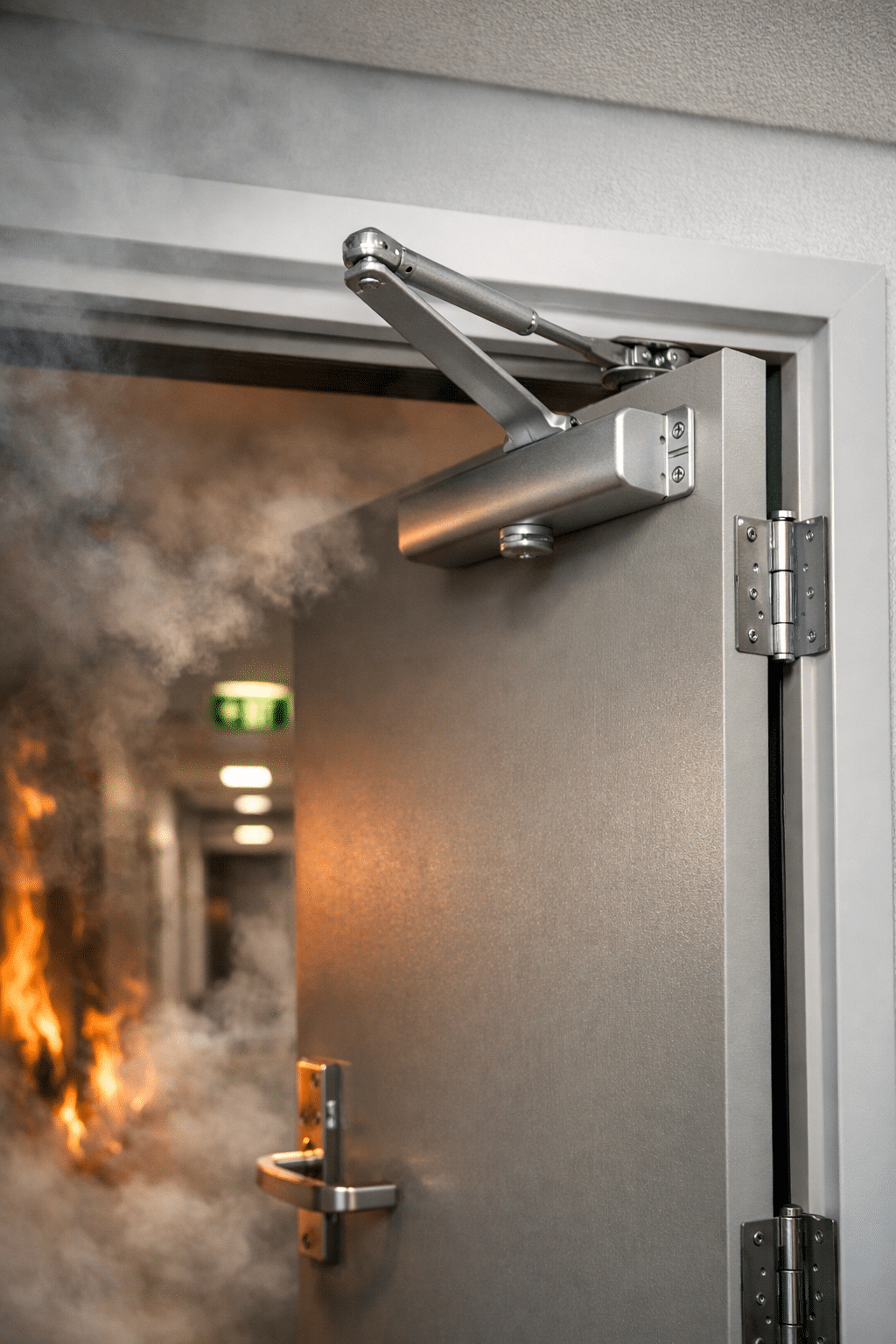
Beyond life safety, testing and certification protects your organisation from legal and financial risk. Fire doors are there to slow fire and smoke, buying precious time for evacuation and for firefighters to work. If a door fails because it was wedged open, had the wrong closer or was not properly sealed, you could face penalties, insurance issues and reputational damage. Staying compliant shows residents, tenants and stakeholders that you take safety seriously.
What gets checked during an inspection
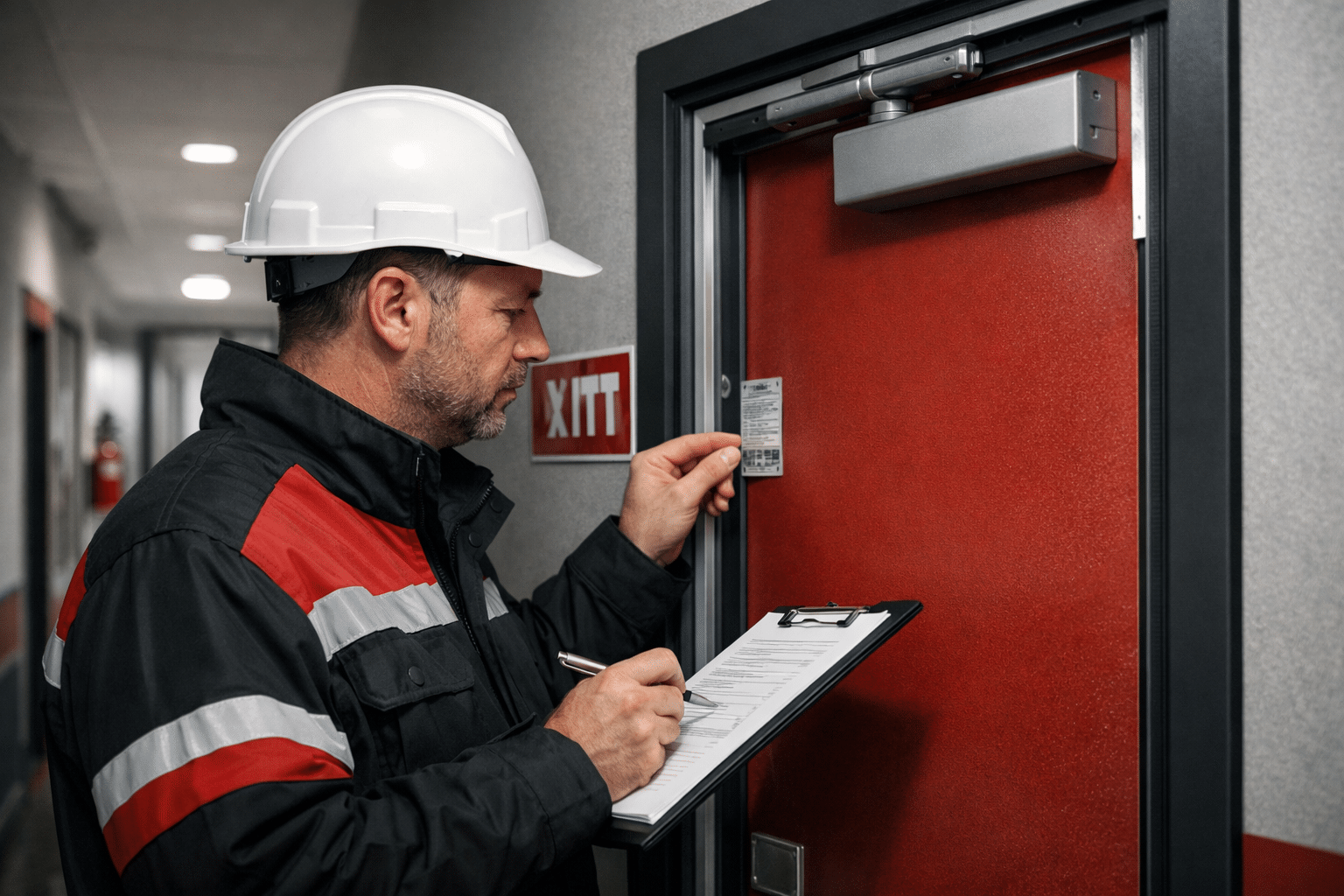
A competent inspector looks at the whole door set, not just the leaf. That means leaf, frame, closer, hinges, latch, locks, vision panels, seals and signage. They will verify correct tags or labels, clearances at the head, jambs and threshold, self-closing action and latching, the condition of intumescent and smoke seals and whether any modifications have been made. Testing and certification also covers whether the door is appropriate for the fire rating of the wall and whether penetration seals or adjacent building works have compromised performance.
The simple process to follow
Here is a straightforward flow you can apply across one site or a portfolio:
- Book a qualified inspector with current competencies and experience in your building type.
- Provide access to all fire doors, plant rooms and tenancy areas that contain fire-rated compartments.
- Attend a brief site walk to highlight known issues and confirm the schedule.
- Let the inspector test door operation, measure clearances and check hardware and seals.
- Receive a report that lists compliant items, minor defects and non-conformances.
- Approve repairs or replacements.
- File the certificate with your compliance records and use it to support the Annual Fire Safety Statement.
If you keep this cycle regular, testing and certification becomes routine rather than a last-minute scramble.
Common pitfalls you can avoid
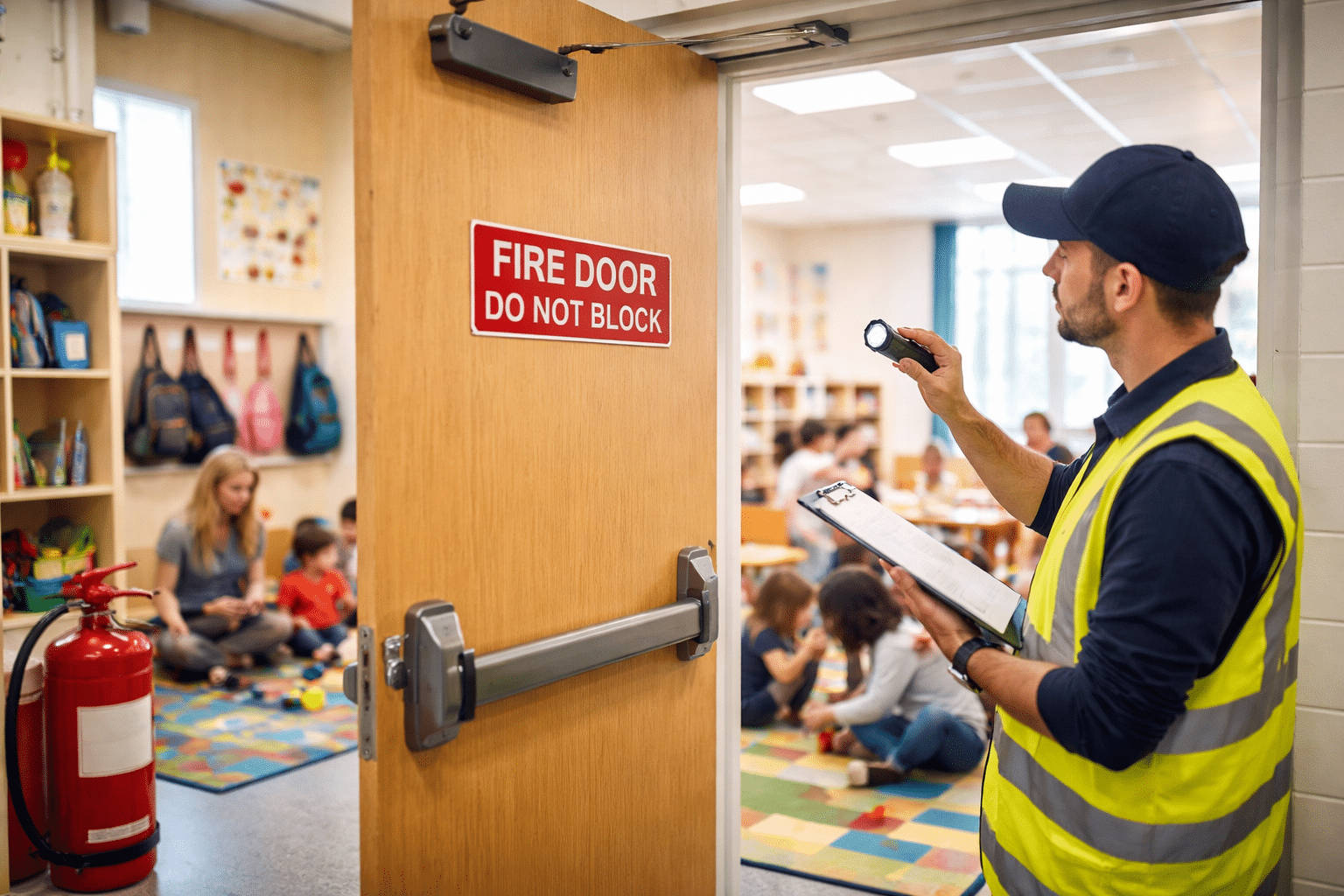
Wedges and door stops are the classic problem. A fire door propped open might as well not exist. Missing or painted-over tags are another issue because they hide the make and rating of the door set. Replacing a hinge or lock with a non-rated part can invalidate performance. Weather seals or decorative trims added after handover can also interfere with self-closing and clearances. testing and certification will pick these up, but prevention is cheaper than corrective work.
How often, how long and how much
Frequency depends on your risk profile and local requirements, but most managed buildings plan for at least annual inspections, with higher-risk sites scheduling interim checks. A typical inspection takes minutes per door, although complex sites take longer. Costs vary by quantity, access and the level of repair required. Testing and certification is far less costly than fines, insurance disputes or extended rectification projects that can follow a failed audit.
Paperwork that keeps you covered
Keep a clean record trail. You will want the latest inspection report, the certificate, photos of defects and before-and-after images of rectification work. Link each item to a door schedule or asset list so you can demonstrate exactly where each door lives and which tenancy or floor it serves. Testing and certification evidence should slot neatly into your AFSS documentation so the sign-off is smooth and defensible.
Preparing your site for an inspection
A little prep goes a long way. Clear obstructions so doors can swing freely. Remove wedges and educate occupants about not propping doors. Ensure electricians, plumbers and shopfitters understand that drilling through frames or adding door furniture is not allowed without approval. Share access instructions, parking details and site inductions ahead of time. When everyone is coordinated, Testing and certification can be done with minimal disruption to residents or tenants.
Repair, replace or upgrade
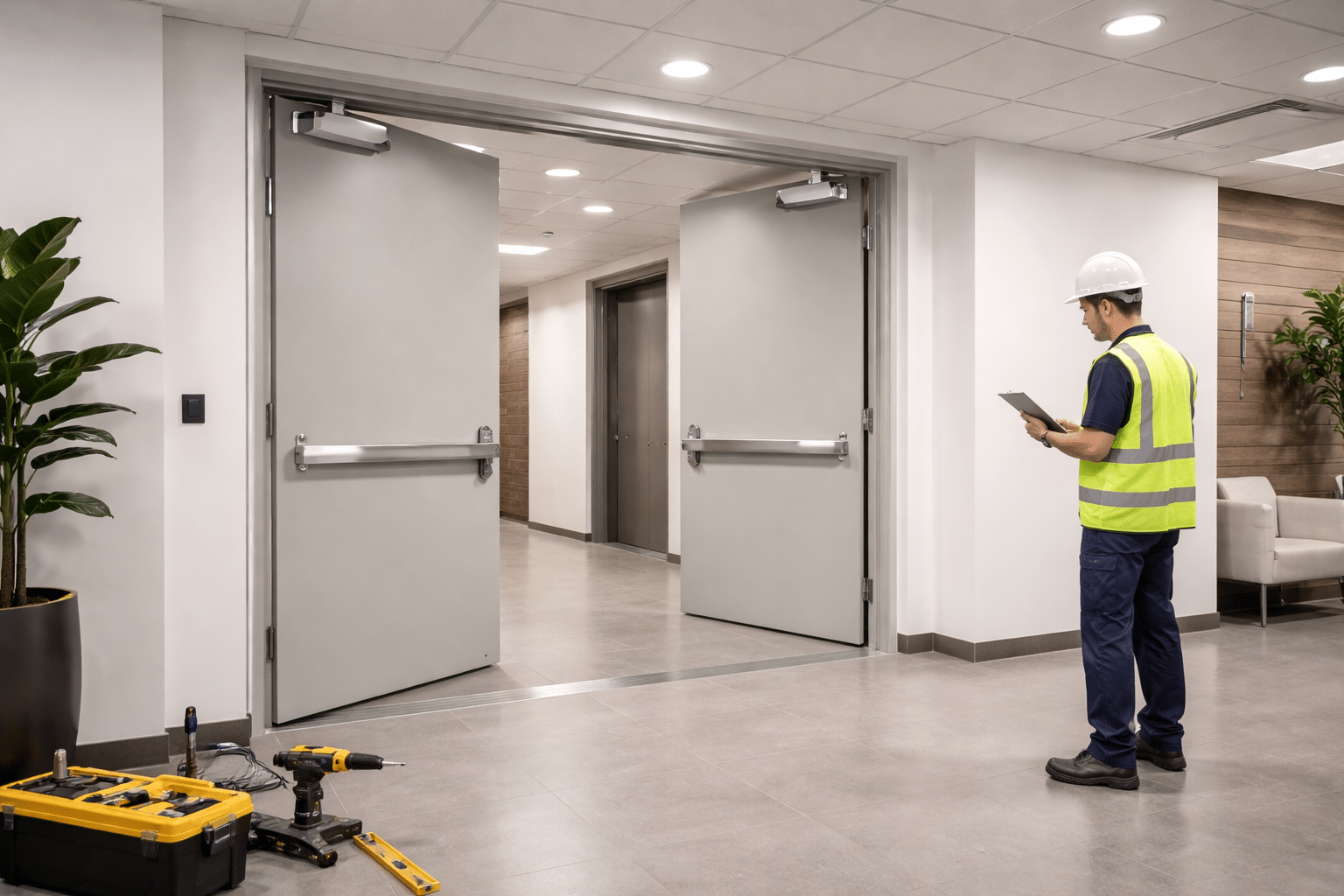
Not every defect means a new door. Many issues are solved with compliant hardware, seal replacement or frame repairs. Where a door is underspecified for the wall rating or has been damaged beyond repair, replacement is the responsible path. Use certified door sets, correct frames and rated hardware from reputable suppliers. If you are undertaking refurbishments, consider accessibility, security and aesthetics at the same time so your investment works on all fronts. Testing and certification will confirm you made the right call.
Make it part of everyday operations
Treat fire doors like other critical assets. Add them to your maintenance plan, set reminders, and train cleaning and facilities staff to spot problems such as dragging doors, broken closers or missing seals. Encourage tenants to report anything unusual through your work order system. With this mindset, testing and certification becomes a simple checklist rather than a stressful event, and your building remains safer all year round.
Quick checklist you can copy
- Door tags legible and match records
- Self-closing and positive latching confirmed
- Head, jamb and threshold clearances within tolerance
- Intumescent and smoke seals continuous and intact
- No unauthorised penetrations or modifications
- Correct hinges, closers, locks and strike plates
- Signage in place and visible
- Defects logged with photos and priority
- Certificate filed and linked to AFSS
Keep this list in your maintenance app and review it after any contractor works. If you spot an issue, schedule a fix rather than waiting for annual testing and certification to catch it.
Where CFS fits in
As Sydney-based specialists, Comprehensive Fire Services helps with inspections, repairs, replacements and ongoing upkeep across strata, commercial and industrial properties. Our team makes testing and certification straightforward by combining clear communication with detailed reporting and compliant workmanship. If you are ready to simplify compliance, we can set up a practical plan that fits your sites and your budget.