Vision panels sit at the heart of safe, people friendly fire doors. Done well, they help occupants see hazards and move with confidence during an alarm, all while keeping smoke and flame where they belong. In this guide we unpack what they are, how they work with fire rated glazing, and the practical rules property managers and builders in Sydney should know. Expect simple language, helpful tips, and a few checklists you can use at your next inspection.
What are Vision panels and why do they matter?
Vision panels are small windows installed in fire doors so people can see what is on the other side before pushing through. That quick glance reduces collision risk in busy corridors, improves accessibility, and lets wardens check for hazards without opening the door. When paired with compliant glazing, the door can still resist fire for its rated period. In short, they make fire doors safer to use without sacrificing performance.
Fire rated glazing in plain terms
When you hear fire rated glazing, think of a tough, certified glass system that can handle intense heat and stay in place long enough for people to get out. The glass, the frame around it, the beading, and the sealants all work as a single tested unit. If any part is swapped for a non tested product, performance cannot be guaranteed. Vision panels rely on this tested combination so the door maintains its fire and smoke resistance.
The core rules you should remember
Every project is different, but there are a few constants that help you stay on track with compliance.
- The door, frame, hardware and glazing must be from a matched, tested configuration. Mixing brands may void the rating.
- The cut out size for vision panels must match the test evidence provided by the door manufacturer. Oversizing the aperture or changing the shape can create weak points.
- The glass type must be the exact product listed in the data sheet, including thickness and any interlayers.
- Fixings and beads must be installed as specified. Shortcuts like fewer screws or the wrong beading profile are common non conformances.
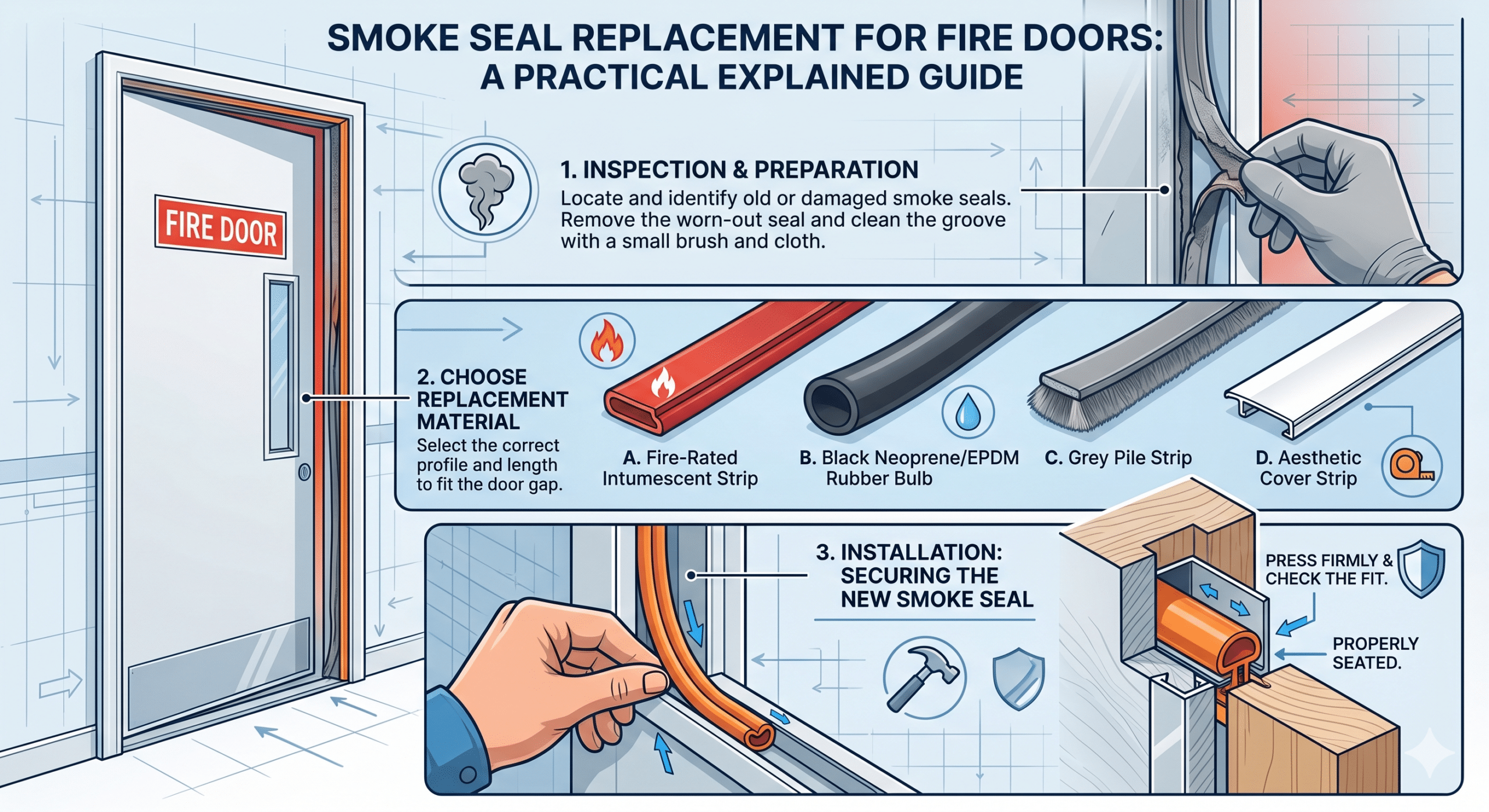
- Any intumescent seals around the glazing must be continuous and undamaged so they can expand and seal during a fire.
Keep documentation handy. Site records, data sheets and certificates make annual audits smoother and reduce costly rectification.
Sizing and placement tips that work on real sites
Good placement improves safety and privacy. Aim to keep the bottom of the window high enough to protect privacy in amenities and medical rooms, and the top low enough for shorter users to see through. Many facilities standardise on a slim, vertical vision panels style beside the handle so users can check the swing side for people or obstacles. Consistency across a building helps residents and staff trust the doors and move faster during an evacuation.
Glass options you will see in the field
Different spaces call for different glass. Clear fire rated glass supports natural light in office corridors and lift lobbies. For schools and apartments, you might prefer patterned or frosted glass that protects privacy while still letting light through. Whatever you choose, confirm that the selected finish exists within the tested system for your door type. It is common to assume any frosted film will do. Films can affect performance, so only apply finishes listed in the test evidence for vision panels on that door set.
Installation that keeps you compliant
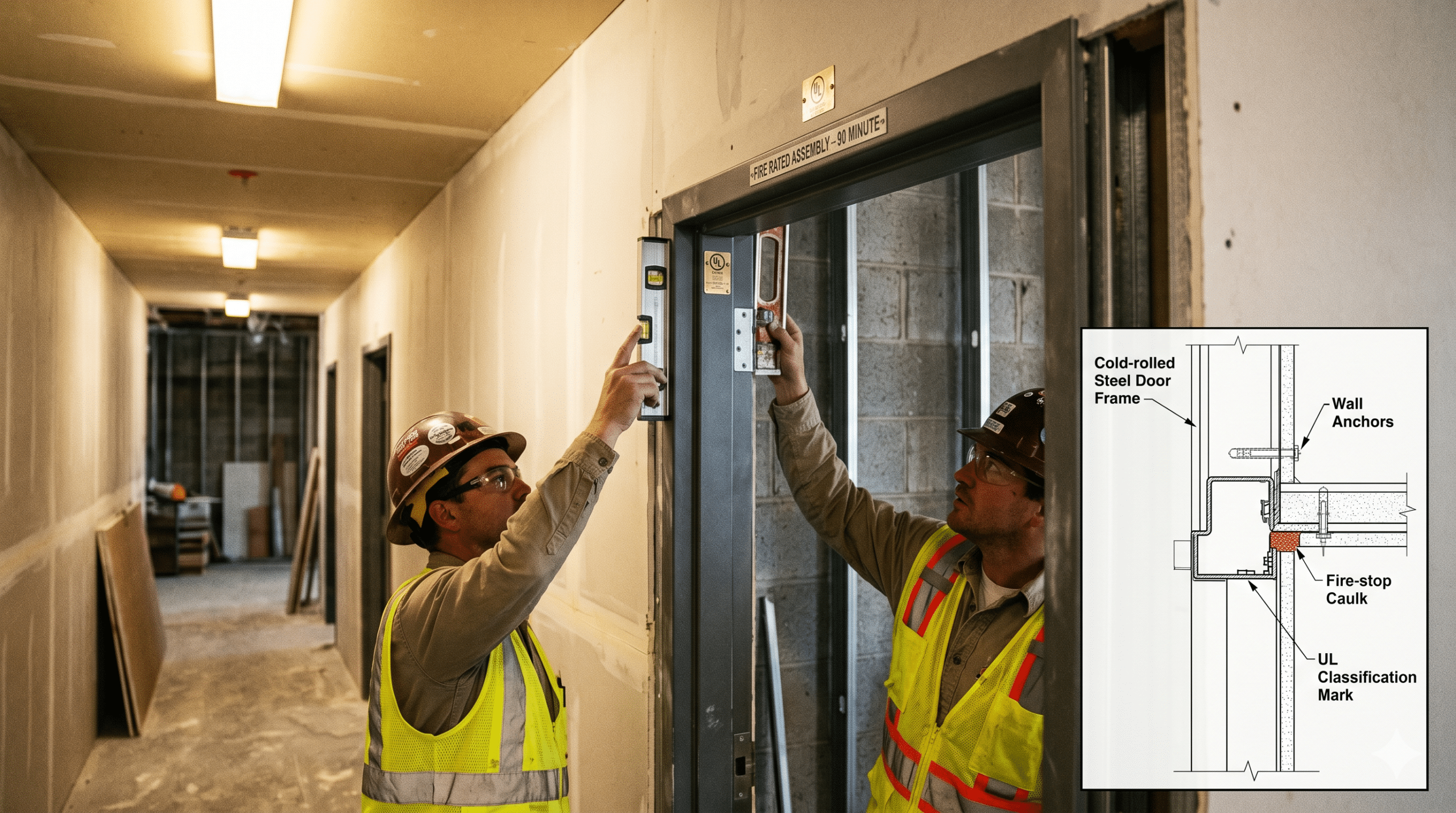
If you are cutting new openings or replacing damaged glazing, slow is smooth and smooth is fast. Mark out carefully, protect door edges, and use the correct jig so the cut is clean. Trial fit the glass, then install the required seals, beads and screws in the order shown on the manufacturer drawing. Do not over tighten screws, since this can crack the glass when the door flexes. Finish by checking the door closer still latches correctly. Poor closer settings can leave the door ajar and defeat the purpose of vision panels during smoke control.
Five frequent mistakes to avoid
- Using ordinary building glass because it looks similar. It is not the same as certified fire rated glazing.
- Replacing just the glass after damage but leaving old beads and seals. The system is only as strong as the weakest link.
- Painting over seals. Paint can stick to seals and stop them expanding.
- Cutting a new opening on site without matching the tested size for vision panels.
- Forgetting to update the asset register and drawings. Missing paperwork creates headaches at audit time.
Maintenance made easy for managers
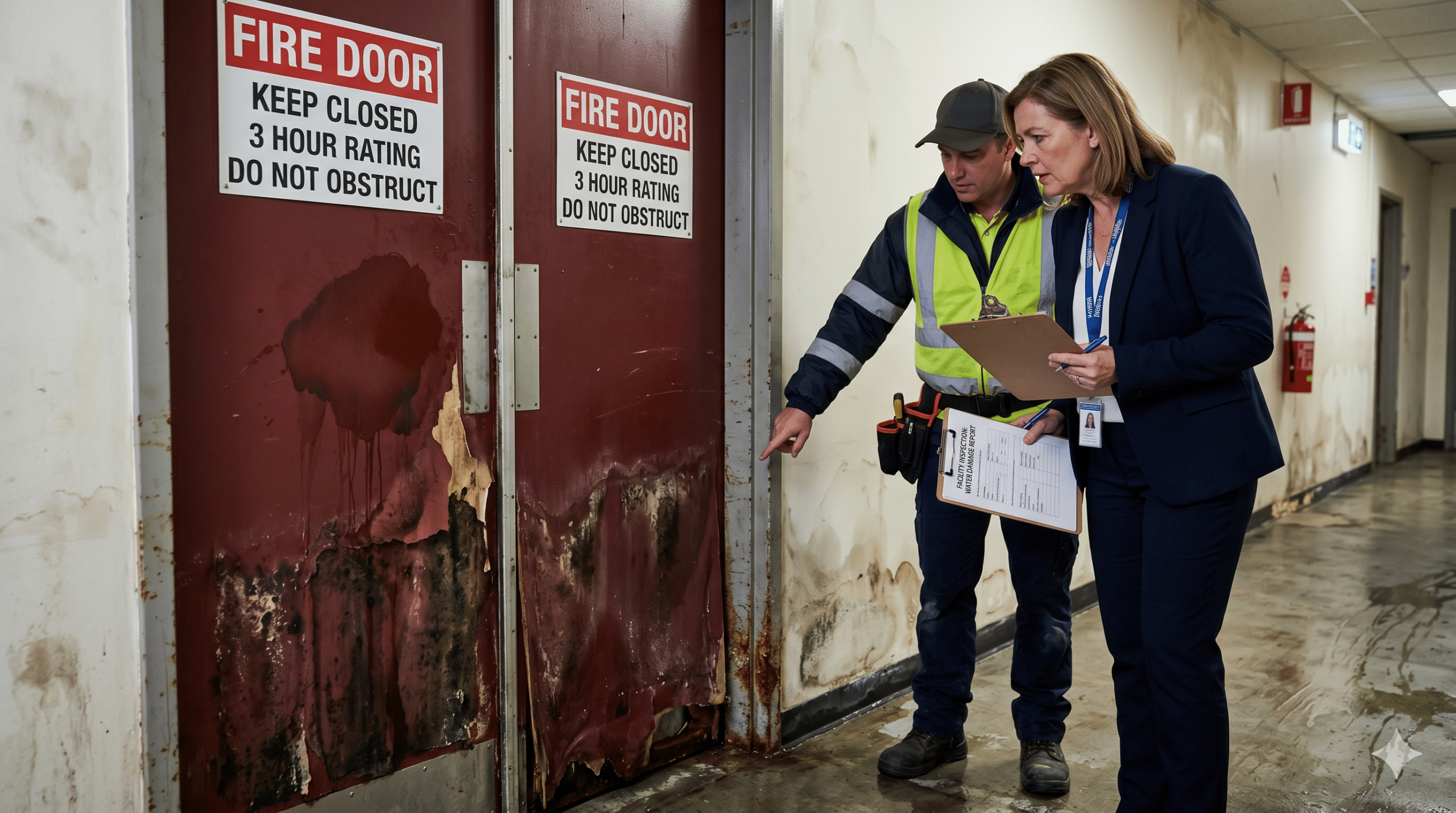
Like the rest of your fire doors, vision panels need simple, regular checks. During routine walk throughs, look for cracks, chips, loose beads, missing screws and damaged seals. Open and close the door to confirm it latches every time. If you spot problems, log a maintenance ticket and prioritise high traffic areas such as car park lobbies and stair discharge doors. A quick fix today is far cheaper than a compliance notice later. For scheduled servicing, ask your contractor to photograph each repaired vision panels opening and attach the data sheets to your maintenance report for audit readiness.
Retrofits and upgrades that add value
Older buildings often have solid fire doors with no glazing. Adding compliant vision panels can lift safety and accessibility in a single project, especially in healthcare and aged care. It also reduces door impact damage in busy corridors because people can see trolleys and wheelchairs coming. Before you plan a bulk retrofit, check that your existing door type has test evidence for the window size you want. If not, consider replacing selected door leaves with new certified units that include factory prepared cut outs. That keeps the project predictable and avoids site surprises.
Quick checklists you can use today
Procurement checklist
• Confirm door and glazing are a tested pair
• Verify glass type, thickness and finish
• Verify bead profile, screws and seal brand
• Ask for data sheets and certificates for vision panels
Site checklist
• Opening size and position match the drawing
• Beads fixed with correct pattern and screw count
• Seals are continuous, undamaged and not painted
• Door closes and latches every time
Audit checklist
• Asset register updated with photos
• Data sheets stored with the AFSS records
• Repairs closed out with completion notes
• Next inspection date scheduled
How CFS can help
If you need help selecting, installing or maintaining vision panels, Comprehensive Fire Services can make it simple. Our team supplies, installs and certifies door sets and glazing that match tested configurations, then keeps them in top shape with scheduled maintenance. We work across strata, commercial and industrial sites in Sydney, coordinate with your building schedule, and provide the documentation auditors expect. Ready to improve safety and compliance without fuss Contact CFS on 0418 749 488 or use our contact form to book a site visit today.