Aged care fire door compliance is vital for keeping residents, patients and staff safe, and for proving your facility meets Australian standards. In hospitals and aged care, every corridor, ward and shared space needs to slow down fire and smoke so people can get out and first responders can get in. This article breaks down the essentials in plain English and gives you practical steps you can apply today.
Why fire doors matter in clinical and care settings
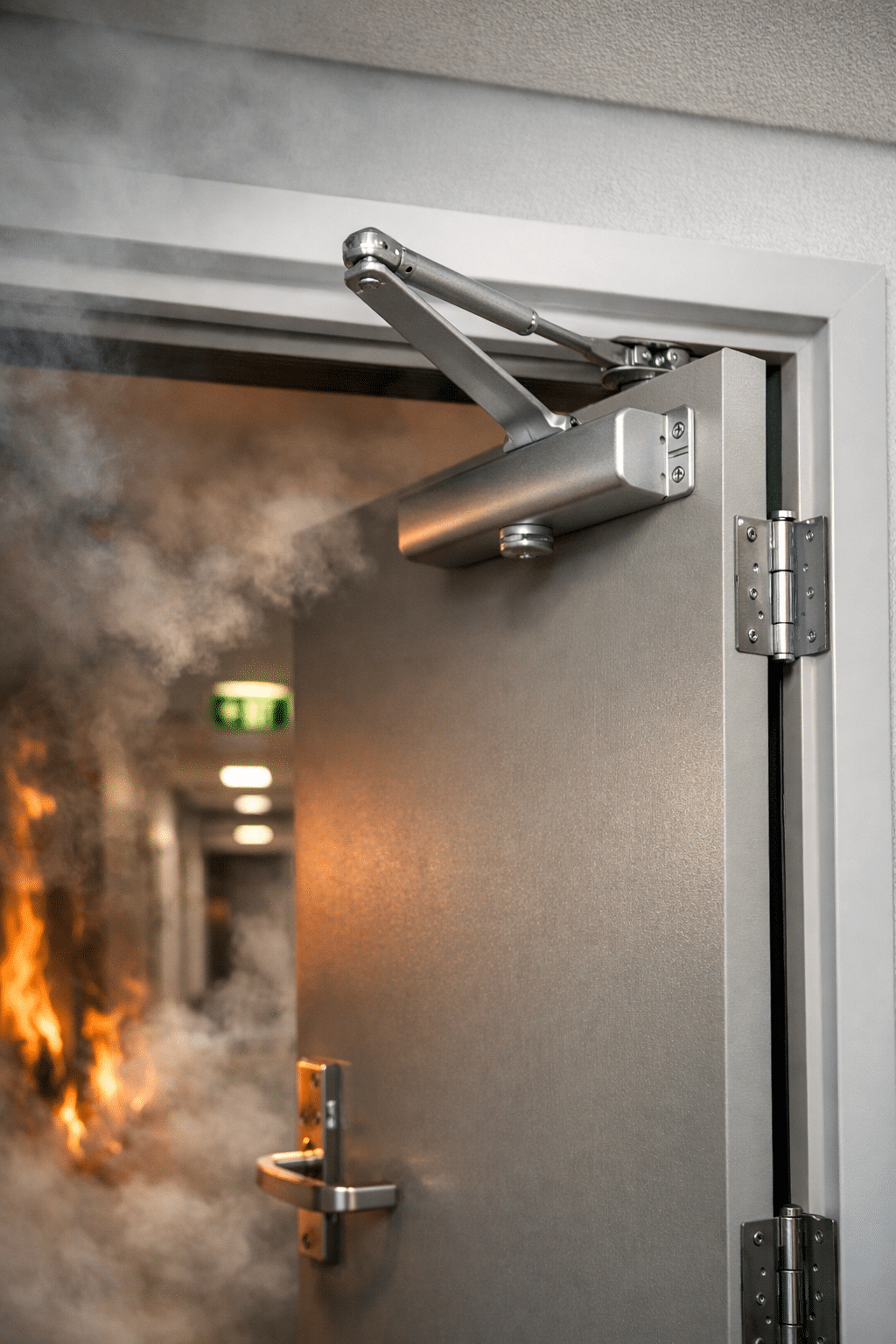
Fire doors are part of a building’s passive fire protection. They help contain a fire to one compartment, limit smoke travel and protect exits. In areas where people may have limited mobility, like aged care wings or high dependency units, the extra minutes a working fire door provides can make all the difference. For property and facility managers, well maintained doors, such as an aged care fire door, also reduce risk, insurance headaches and non-compliance notices.
What the standards expect of you
In Australia, fire doors and frames must be certified to AS 1905.1 and installed to match their fire-tested assembly. That means the door leaf, frame, seals, vision panels and hardware all work together as a single tested unit, including any aged care fire door installed in resident areas. Swapping parts without checking approvals can void compliance. You also need regular inspections and records that support your Annual Fire Safety Statement. Keep a tidy trail of door schedules, service reports and any repairs or replacements.
Common pain points we see in hospitals and aged care
- Worn door closers that no longer pull the door fully shut. Even a small gap can let smoke through.
- Missing or damaged smoke seals around the edges of an aged care fire door can compromise its performance. These seals swell in heat to block smoke and must be continuous, clean and intact.
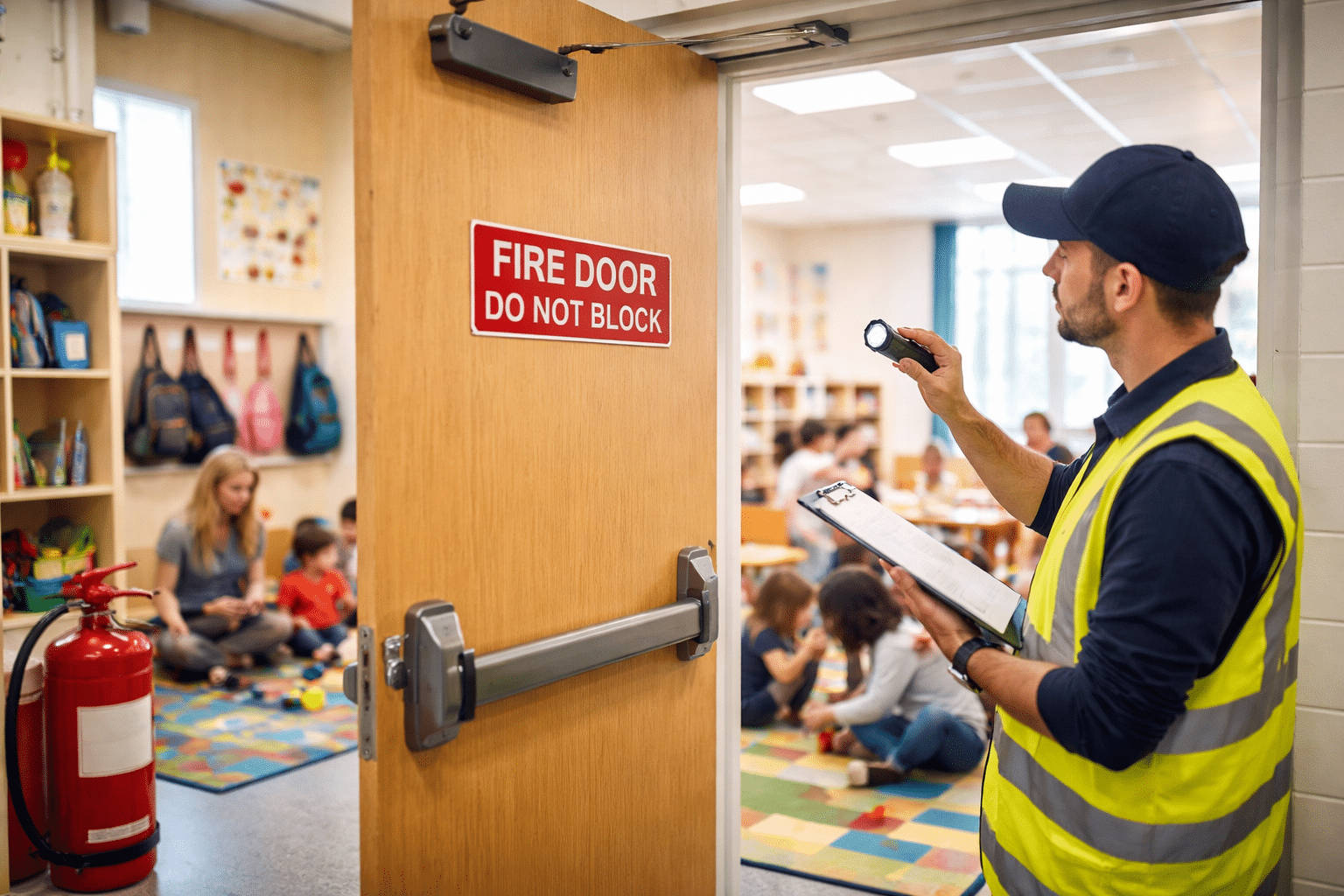
- Chock-open doors for convenience are a major risk. If an aged care fire door must be held open, fit an approved hold-open device linked to the fire system so it releases on alarm and the door closes fully.
- Unlabelled or painted-over tags on the door leaf. Certification tags should remain visible and legible.
- Improvised hardware like non-rated locks or kick plates that were not part of the tested assembly.
Zoning and door placement tips
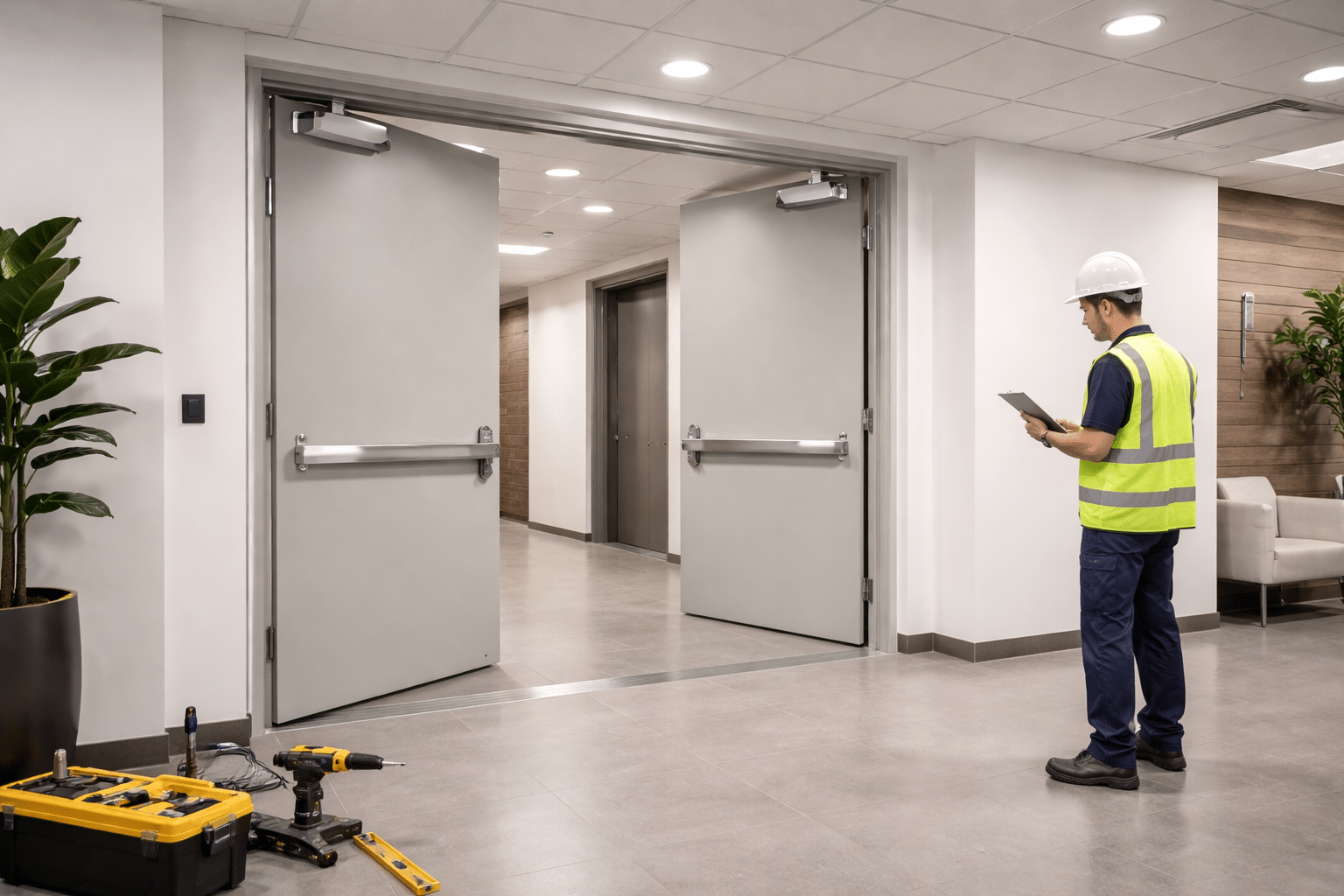
Good compartmentation starts with a sensible layout. High-risk areas such as kitchens, laundry rooms and plant rooms should be separated from resident rooms and wards by certified fire doors and walls. Long corridors in hospitals often use cross-corridor double-leaf doors to split the floor into zones. Make sure these doors, including each aged care fire door in resident wings, close freely and synchronise properly so the meeting stiles line up.
Hardware that makes compliance easier
- Door closers: Choose models that suit the door size and traffic for each aged care fire door. Adjustable closing speed and latching speed help avoid slamming while still achieving a tight seal.
- Hinges: Use the number and type specified on the certification. Heavy doors or high traffic may require ball-bearing hinges for smooth travel.
- Locks and latches: Fire-rated locks with correct backset and strike plates. Avoid deadbolts that can trap people.
- Hold-open devices: Electromagnetic holders tied to the fire alarm keep corridors accessible day to day and release during an alarm, allowing each aged care fire door to close fully and restore the fire barrier.
- Vision panels: Safety glass with the right fire rating and approved glazing systems improves visibility for staff.
A simple monthly check routine
You do not need to be an engineer to spot most issues early. Use this quick loop for each door:
- Look for damage on leaf, frame and seals.
- Check the closer so the aged care fire door shuts fully from any position without slamming.
- Confirm latching with a firm click and no bounce-back.
- Inspect gaps: typically 3 mm across the top and sides, and as specified at the bottom.
- Verify signage and tags are present and readable.
- Test hold-open devices if fitted, releasing on the fire panel’s test signal.
- Record it. Small notes now prevent big problems later.
Maintenance and documentation for AFSS
For NSW sites, your Annual Fire Safety Statement depends on accurate records. Keep a register of every door, including each aged care fire door, with its location, rating, certification tag number and last service date. Attach photos when you repair or replace components. Make sure contractors issue clear reports that state what was inspected, what was repaired, and what still needs attention. These habits save time when auditors or insurers ask for proof.
Special considerations for hospitals
- After-hours access: Doors in emergency wards and ICU areas must stay secure without blocking egress. Use compliant hardware that balances safety and security.
- Infection control: Choose hardware finishes that are easy to clean and resist harsh chemicals. Avoid modifications that trap grime around seals.
- Electrical integration: Coordinate with the fire panel contractor when installing hold-opens and smoke doors so release logic and wiring are tested together for each aged care fire door.
- High traffic resilience: Consider edge guards and properly approved kick plates to resist trolley impacts, but only if they are part of an approved configuration.
Special considerations for aged care
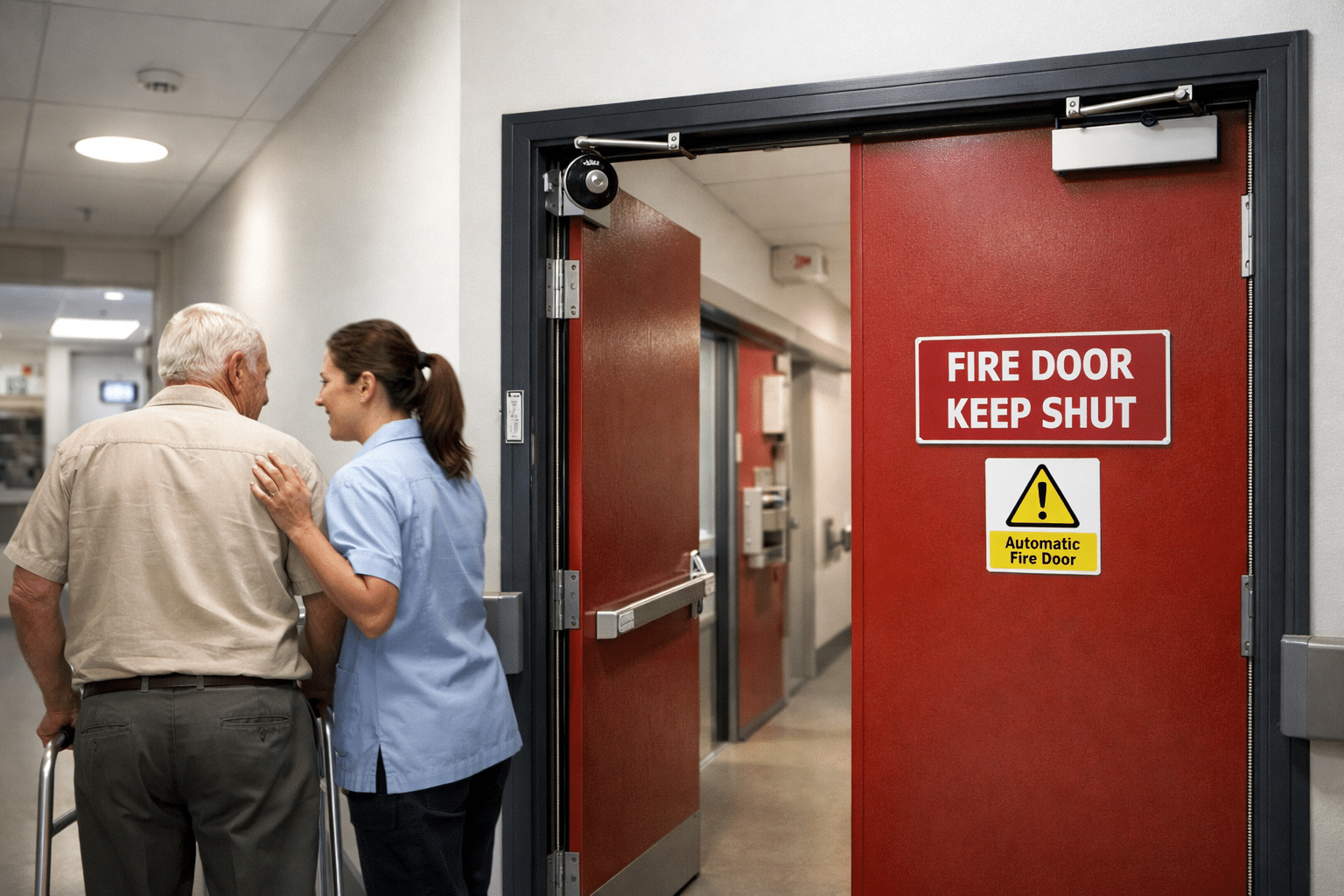
- Mobility and cognition: Residents may use walkers or wheelchairs, and some have dementia. Doors should swing smoothly with accessible lever handles. Avoid confusing signage.
- Quiet operation: Adjust closers so doors shut reliably without startling residents.
- Night shift safety: Make sure staff can quickly open doors for evacuation drills and that exit paths remain clear of furniture and oxygen equipment.
- Visitor awareness: Simple notices help families understand why doors cannot be wedged open.
Ten quick wins to lift compliance this quarter
- Replace any missing or crushed smoke seals.
- Re-adjust closers to achieve a firm latch without slamming.
- Remove door wedges and install compliant hold-opens where needed.
- Re-label or uncover certification tags.
- Add door-by-door photos to your asset register.
- Train night shift teams to do the same basic checks as day shift.
- Review any recent refurbishments that might have altered gaps or hardware.
- Audit corridor cross-corridor doors and test their release on alarm.
- Schedule repairs promptly and record the results.
- Lock in routine inspections with a qualified technician.
Frequently asked questions
Can we paint fire doors?
Yes, with the right paint and method. Do not fill or cover certification tags or seals, and avoid changing door clearances.
What about automatic sliding doors in hospitals?
Some sliding doors have fire-rated versions for larger openings. They must be certified and installed to the tested system, and they need regular checks like any other fire door.
Do wedges ever count as compliant?
No. If a door needs to stay open for day-to-day operations, use an approved hold-open device that releases on alarm.
Bringing it all together
Staying compliant is not about guesswork. It is about routine checks, timely maintenance and clear records. When an aged care fire door closes properly, seals are intact and hardware matches certification, you protect lives and keep your AFSS on track. If you make one improvement this month, start by walking your corridors with a simple checklist and noting any door that does not latch first time.