Winter fire door maintenance is one of the most important yet frequently overlooked responsibilities in strata building management. As temperatures drop and cold weather sets in, fire doors across residential and commercial strata sites face a range of seasonal stressors that can compromise their performance, compliance status, and the safety of everyone on the premises. Strata managers, owners corporations, and building managers must act proactively to ensure that every winter fire door across the property is inspected, serviced, and ready to perform its critical function in an emergency.
Why winter conditions demand extra attention
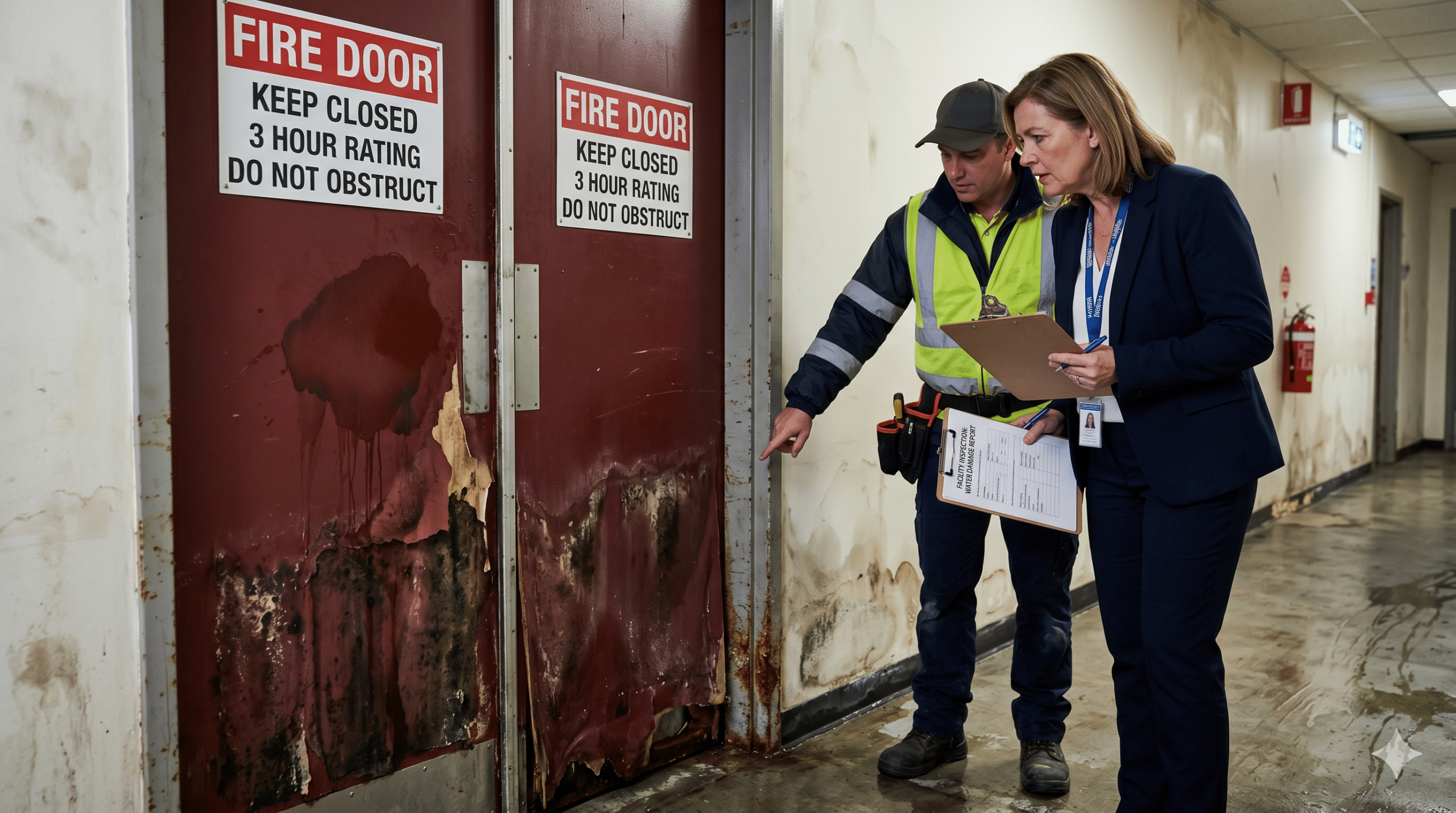
A winter fire door is not simply a door that happens to operate during cold months. Cold weather introduces unique physical challenges that affect how fire doors function. Timber door leaves can swell or contract as humidity levels shift, causing doors to bind, stick, or fail to latch correctly. Metal components such as hinges, closers, and latch bolts can stiffen in low temperatures, reducing the automatic closing speed that fire doors rely on to contain smoke and flames.
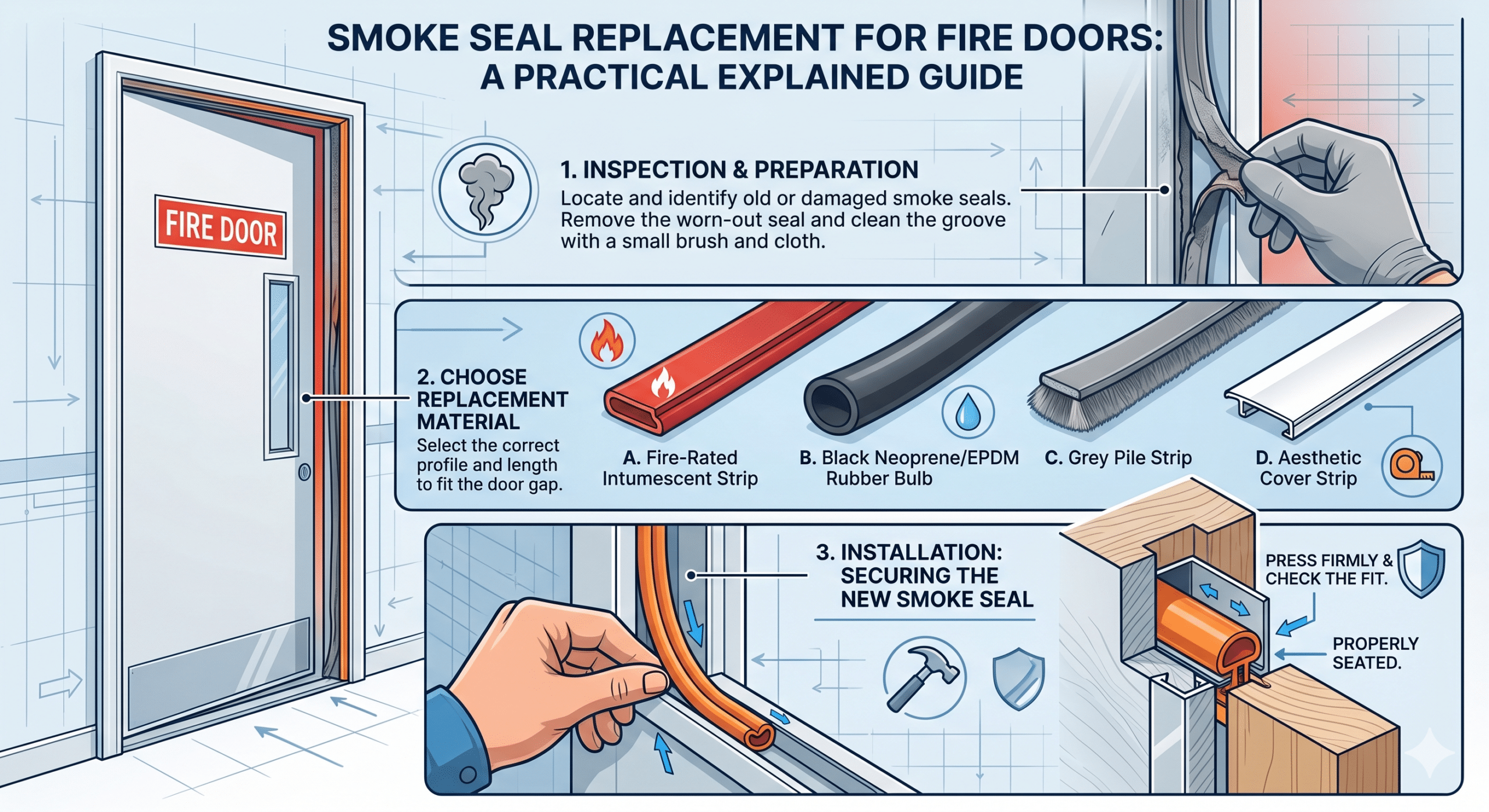
Gaskets and intumescent seals, which expand under heat to block smoke infiltration, can harden and crack in sustained cold, leaving dangerous gaps around the door frame. Addressing these issues before they become compliance failures is the core purpose of a dedicated winter fire door inspection program.
Key components to inspect each winter
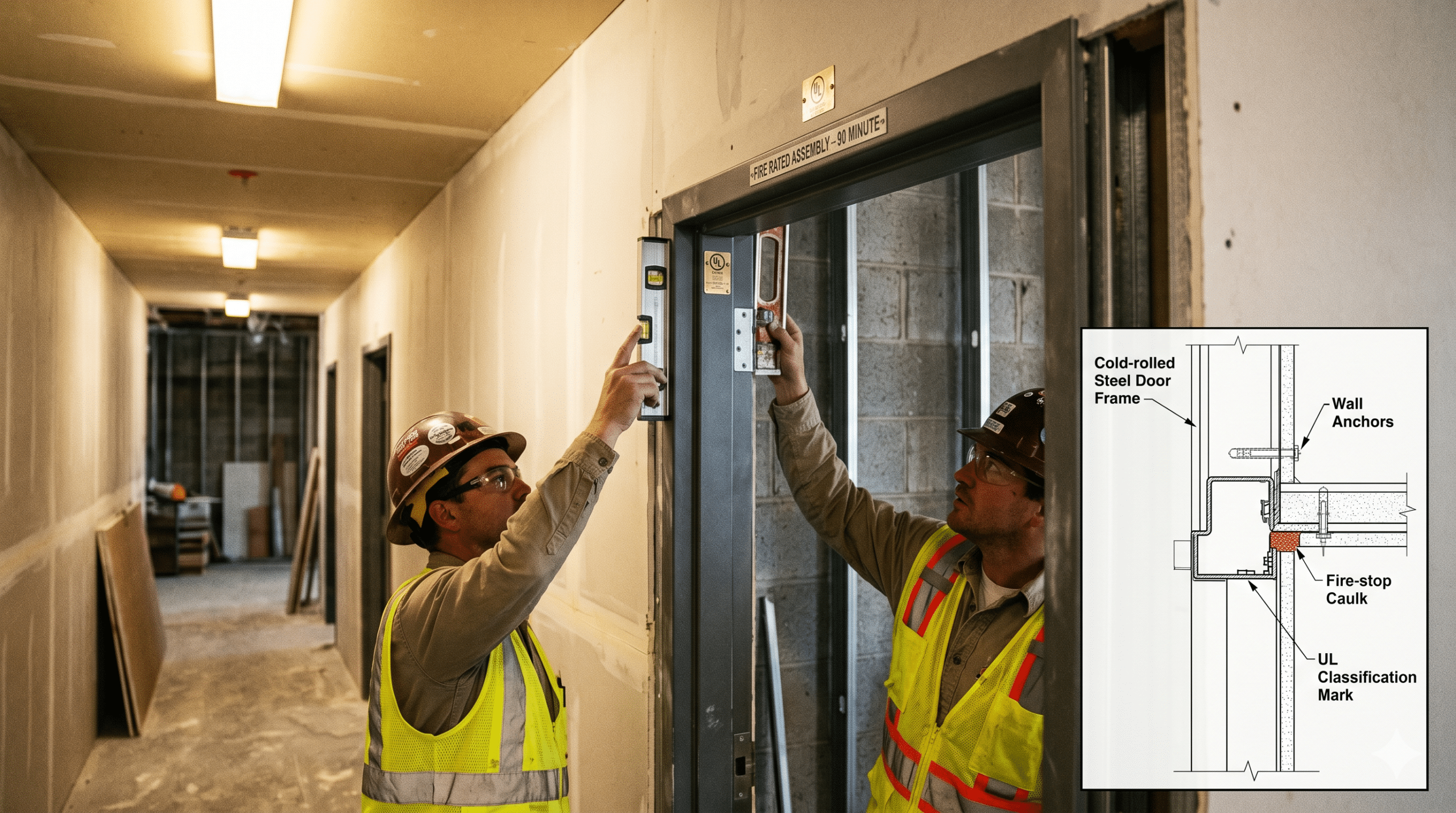
When carrying out a winter fire door inspection, maintenance teams should follow a structured checklist that covers every critical component. The door leaf itself must be examined for warping, swelling, or surface damage that could affect how well it sits within the frame. Any gaps greater than three millimetres around the door perimeter may indicate that the fire door no longer meets the required specifications under Australian Standard AS 1905.1.
Intumescent strips and cold smoke seals on a winter fire door should be checked for brittleness, shrinkage, or separation from the door edge. These seals are the first line of defence against toxic smoke, and their integrity is non-negotiable. Door closers should be tested for smooth, consistent operation, ensuring the door closes fully and latches from any open position without manual assistance. Hardware including hinges, locks, and hold-open devices must be inspected and lubricated where appropriate to counteract the sluggishness caused by cold temperatures.
Compliance obligations for strata properties
Strata properties in Australia are subject to strict fire safety regulations that require regular inspection and maintenance of all essential fire safety measures, including fire doors. Owners corporations carry a legal duty to ensure that every winter fire door in the building is kept in proper working order throughout the year. Failure to maintain fire doors can result in non-compliance notices, significant fines, and, most critically, loss of life during a fire event.
Annual fire safety statements require documented evidence that all essential fire safety measures, including each winter fire door, have been assessed and maintained by a suitably qualified practitioner. This makes it essential to engage a licensed fire door inspector who understands both the technical requirements and the seasonal variables that affect door performance during the colder months.
Common winter fire door faults found during inspections
Inspection records from strata buildings consistently highlight a number of recurring faults that emerge or worsen over winter. The most common issue with a winter fire door involves damaged or perished seals that have degraded through seasonal temperature cycling. Hard, cracked intumescent strips that no longer flex and expand as designed are regularly found on doors that were last serviced in warmer months.
Another frequent fault is a winter fire door that fails to self-close completely due to a stiff or under-tensioned door closer. When the oil inside a hydraulic closer thickens in cold temperatures, the closing speed reduces and the door may stop short of the latch, leaving the fire compartment open. Swollen timber doors that drag against the threshold or frame are also commonly identified during winter inspections, and these must be addressed through planing, adjustment, or replacement of the door leaf to restore proper clearances.
Recommended maintenance schedule for strata managers
A proactive approach to winter fire door management begins well before the coldest months arrive. Strata managers are advised to schedule a full inspection in late autumn, allowing sufficient time to complete any remediation works before winter conditions take hold. This forward-planning approach reduces the risk of discovering defects during a compliance audit or, worse, during an emergency.
Throughout winter, a monthly visual check by building management staff can help identify obvious problems with each winter fire door, such as doors propped open, missing signage, or visible damage to seals and hardware. Any issues identified during these informal checks should be escalated to a qualified fire door technician promptly. A final post-winter inspection in early spring is also recommended to assess whether the colder months have caused any latent damage that requires attention.
Choosing the right service provider
Not all contractors are equally qualified to assess and repair a winter fire door in a strata setting. Owners corporations should engage only licensed fire door inspectors with demonstrable experience in strata properties. The right provider will understand the complexities of multi-tenancy buildings, including common area doors, lobby entry doors, stairwell fire doors, and plant room access doors, each of which may present different maintenance challenges in winter.
Service providers should supply detailed written reports following each winter fire door assessment, clearly identifying any defects, the remediation actions taken, and any outstanding items that require further attention. These records form an essential part of the strata building’s compliance documentation and should be retained as part of the fire safety logbook.
The cost of neglecting winter maintenance
The consequences of failing to maintain a winter fire door in strata buildings extend far beyond regulatory penalties. A defective fire door that fails to close, latch, or seal properly during a fire event can allow smoke and flames to spread rapidly through common areas and corridors, endangering the lives of residents and emergency responders alike. For owners corporations, the liability exposure from such an outcome is substantial, both legally and financially.
Investing in scheduled winter fire door maintenance is, in every respect, a far more cost-effective strategy than dealing with the aftermath of a preventable failure. When every fire door on a strata site performs reliably through the coldest months of the year, building managers, residents, and owners can have confidence that their property is genuinely safer.
How CFS Can Help
Winter fire door maintenance is a practical way to keep strata and commercial buildings safer during the colder months. It helps managers find common issues such as doors not latching, closers failing, seals coming loose, moisture damage, blocked access and poor record keeping.
For strata managers, building managers, property maintenance teams and compliance officers, the best approach is simple: check early, record clearly and repair properly.
Comprehensive Fire Services can assist with fire door inspections, maintenance, compliant repairs, fire-rated hardware, passive fire stopping and reporting for Sydney buildings. If your site needs a seasonal fire door review, call CFS on 0418 749 488 or visit the contact page to arrange support.